
Free Estimates on New Roof, Siding, Gutter Replacements


Free Estimates on New Roof, Siding, Gutter Replacements
(630) 520-0576
Mon - Sat: 8am to 8pm

Spring Roofing Checklist for Illinois Homeowners
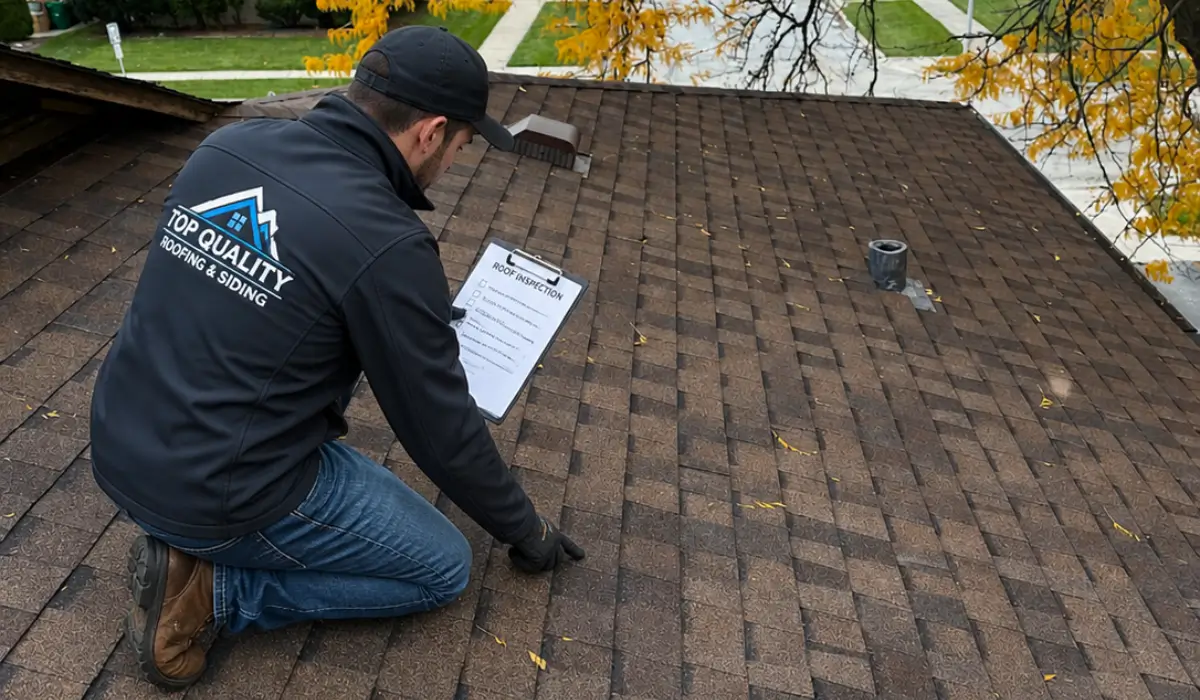










A spring roofing checklist helps Illinois homeowners find winter damage early and avoid costly repairs. After snow and freeze cycles, roofing materials often weaken in ways that are not obvious at first glance.
Most roof leaks do not start where you expect. They often begin at the edges where water backs up long before it shows inside. This pattern shows up regularly across Illinois homes.
This guide also works as a practical spring roof inspection for homes across Illinois, with a checklist that highlights common post-winter issues.
Why Spring Roof Maintenance Matters in Illinois
Winter stress does not always show immediately. Instead, small weaknesses build up over time and become visible once temperatures rise. Snow weight, ice buildup, and repeated freezing all contribute to this slow damage cycle.
Winter snow and ice hide structural problems
Snow and ice can hold moisture against the roof for months. As temperatures rise, water seeps into small gaps and widens them. That is why problems often appear weeks after winter ends.
Many of these issues trace back to roof damage after snowstorms in Illinois, where materials weaken before visible signs show.
Catching early signs keeps repairs simple and predictable. Waiting usually leads to higher costs.
Shingles may be cracked, lifted, or missing
Shingles become brittle in cold weather. Expansion and contraction can cause them to crack, curl, or loosen, which exposes vulnerable areas to moisture.
Lifted edges are a common find during inspections, even when they look minor from the ground. Water often works its way underneath these spots before any visible damage appears.
South-facing slopes tend to show this wear first in older Naperville neighborhoods. These areas heat and cool faster, which increases stress on the materials. This is something our team at Top Quality Roofing & Siding regularly checks during seasonal inspections.
Gutter blockages lead to roofline rot
Blocked gutters change how water moves off the roof. Instead of draining properly, water backs up along the edge and begins affecting nearby materials.
Fascia boards, lower shingle edges, and roof decking are often the first to take on damage in these situations. Many of these issues show up during routine residential gutter maintenance.
Ice-compacted debris inside downspouts is a frequent problem across Illinois. Even after surface cleaning, these blockages can continue restricting water flow.
Trim, fascia, and nearby exterior siding systems are also at risk when drainage problems are left untreated.
Small drainage issues rarely stay small. A basic cleaning can turn into a much larger repair once water reaches structural layers.
Attic moisture from poor ventilation leads to mold risk
Warm air rises into the attic and meets colder surfaces. That temperature difference creates condensation, which leads to mold, damp insulation, and gradual wood damage.
Airflow plays a key role in controlling this moisture. Consistent attic ventilation IL helps regulate temperature and reduce buildup. The attic ventilation guidelines explain why airflow matters in colder climates.
Moisture problems are often linked to signs of ice dam damage on Illinois roofs, especially when melting snow refreezes along roof edges and traps water underneath.
These conditions show up frequently after colder winters and are something our roofing specialists at Top Quality Roofing & Siding monitor closely.
Full Spring Roofing Checklist for IL Homes
A complete spring checklist covers shingles, drainage, attic conditions, and sealing points. Each part plays a role in preventing leaks and long-term damage.
Inspect shingles for granule loss and curling
A spring roofing checklist should include shingles, gutters, roof valleys, attic conditions, and flashing points.
Check shingles for cracks or curling
Clear gutters and test drainage
Inspect valleys for dark streaks
Check attic for moisture
Review flashing around openings
This gives you a quick way to spot obvious issues before deciding what needs closer attention.
The 3-Sign Rule for Spring Roof Damage
Most roof problems become serious when more than one warning sign appears in the same area.
Curling shingles with granule loss
Attic stains with a musty smell
Gutter overflow with roof edge staining
Single issues can be cosmetic. Combined signs usually point to something deeper.
Many homeowners miss how these signs connect. Damage rarely appears as one clear problem at the start.
Heavy snow followed by quick temperature swings often brings these signs together across Illinois.
Acting early is usually the better choice when multiple signs appear in one area. Waiting allows hidden damage to spread further.
Inspect shingles for granule loss and curling
Granule loss, curling edges, and missing sections all signal stress from winter conditions.
Older roofs in Naperville commonly show this wear after heavy snow seasons, especially once they pass the 10-year mark.
Check gutters and downspouts for winter debris
Water flow should move freely through the gutter system. Debris, sagging sections, or overflow all point to drainage problems.
Blocked systems often lead homeowners to search for emergency roof repair near me once damage spreads.
Look for mold or mildew on roof valleys
Roof valleys tend to hold moisture longer than other areas. That makes them more likely to develop streaking or mold growth.
These damp areas can gradually shorten the lifespan of surrounding shingles.
Examine attic for leaks or condensation
Signs of moisture often appear in the attic before anywhere else. Water stains, damp insulation, and musty odors are early indicators.
Light condensation can go unnoticed until insulation starts losing effectiveness, especially in Illinois homes. The indoor moisture control guide explains how early signs prevent larger issues.
Inspect flashing around vents and skylights
Flashing seals joints around vents, chimneys, and skylights. Any rust, movement, or cracked sealant can create an entry point for water.
Slow leaks often begin in these areas. Around Naperville, chimney bases tend to show early wear because snow collects there longer.
What Different Roof Signs Usually Mean
Common warning signs point to underlying issues like aging materials, moisture, or drainage problems.
Sign You See | What It Usually Means | What To Do Next |
Curling shingles | Aging or moisture underneath | Monitor or inspect |
Granule loss | Surface wear | Plan for repair |
Gutter overflow | Blockage | Clean and test |
Attic moisture | Ventilation issue or leak | Inspect airflow |
Surface signs often tell a deeper story. Understanding what they point to helps guide the next step.
If your checklist raises concerns, it may be time to act before problems spread. Book a Naperville roof inspection today. This helps you understand your roof’s condition before damage grows. |
Surface changes are easier to spot than structural issues. A closer review often reveals what is not obvious at first.
Our Illinois roofing team reviews these conditions and explains what needs attention and what can wait.
DIY vs. Pro Inspection: When to Get Help
The choice between a DIY check and a professional inspection depends on safety and how much of the roof can be evaluated accurately.
When a DIY check is enough
You can safely view most of the roof
Issues are limited to minor debris or wear
When to call a professional
Roof height or slope limits safe access
Multiple warning signs appear together
These conditions often point to deeper issues that are harder to confirm from the surface. Many homeowners only realize the extent of the problem after dealing with winter roof leaks and repair costs in Illinois once damage has already spread.
Structural layers are hard to evaluate
Surface inspections do not reveal what is happening underneath. Damage to the wood deck or water barrier often explains recurring leaks.
A detailed review from teams handling complete roofing system repairs helps identify these problems early.
Storm or ice damage may not be obvious
Damage from winter weather does not always show right away. Issues often appear weeks or months after snow has melted. This delay makes it easy to underestimate the condition of the roof when no clear signs appear at first.
Multiple warning signs or uncertainty usually point to the need for a closer look. Acting sooner helps avoid larger problems later. Free inspection from licensed Illinois roofing pros. This helps confirm what actually needs attention and what can wait.
Small concerns can turn into larger repairs if left unchecked. Getting a second opinion helps clarify what is happening before it worsens.
Reviewing real examples in recent exterior project results shows how early signs develop over time. |
Final Thoughts on Spring Roof Inspection
Most roof problems do not start big. They begin as small issues that get overlooked until they turn into expensive repairs.
Your checklist gives you a clear starting point, but when you notice more than one issue in the same area, it usually means something deeper is already developing underneath.
At that point, guessing or waiting often leads to higher repair costs. Getting a clear answer early is what protects the roof, not just the surface signs you can see.
Top Quality Roofing & Siding looks at the full system during every inspection, because the details that cause long-term damage are often the ones homeowners cannot confirm on their own.
Seeing early warning signs or want to be sure nothing was missed?
Our roofing specialists check the full roofing system during every inspection because the details that cause long-term damage are often the ones that are not visible from the ground.
📞 Call (630) 520-0576 to get a straightforward explanation of what needs attention now and what can safely wait based on your roof’s condition after winter. |
A spring roofing checklist helps Illinois homeowners find winter damage early and avoid costly repairs. After snow and freeze cycles, roofing materials often weaken in ways that are not obvious at first glance.
Most roof leaks do not start where you expect. They often begin at the edges where water backs up long before it shows inside. This pattern shows up regularly across Illinois homes.
This guide also works as a practical spring roof inspection for homes across Illinois, with a checklist that highlights common post-winter issues.
Why Spring Roof Maintenance Matters in Illinois
Winter stress does not always show immediately. Instead, small weaknesses build up over time and become visible once temperatures rise. Snow weight, ice buildup, and repeated freezing all contribute to this slow damage cycle.
Winter snow and ice hide structural problems
Snow and ice can hold moisture against the roof for months. As temperatures rise, water seeps into small gaps and widens them. That is why problems often appear weeks after winter ends.
Many of these issues trace back to roof damage after snowstorms in Illinois, where materials weaken before visible signs show.
Catching early signs keeps repairs simple and predictable. Waiting usually leads to higher costs.
Shingles may be cracked, lifted, or missing
Shingles become brittle in cold weather. Expansion and contraction can cause them to crack, curl, or loosen, which exposes vulnerable areas to moisture.
Lifted edges are a common find during inspections, even when they look minor from the ground. Water often works its way underneath these spots before any visible damage appears.
South-facing slopes tend to show this wear first in older Naperville neighborhoods. These areas heat and cool faster, which increases stress on the materials. This is something our team at Top Quality Roofing & Siding regularly checks during seasonal inspections.
Gutter blockages lead to roofline rot
Blocked gutters change how water moves off the roof. Instead of draining properly, water backs up along the edge and begins affecting nearby materials.
Fascia boards, lower shingle edges, and roof decking are often the first to take on damage in these situations. Many of these issues show up during routine residential gutter maintenance.
Ice-compacted debris inside downspouts is a frequent problem across Illinois. Even after surface cleaning, these blockages can continue restricting water flow.
Trim, fascia, and nearby exterior siding systems are also at risk when drainage problems are left untreated.
Small drainage issues rarely stay small. A basic cleaning can turn into a much larger repair once water reaches structural layers.
Attic moisture from poor ventilation leads to mold risk
Warm air rises into the attic and meets colder surfaces. That temperature difference creates condensation, which leads to mold, damp insulation, and gradual wood damage.
Airflow plays a key role in controlling this moisture. Consistent attic ventilation IL helps regulate temperature and reduce buildup. The attic ventilation guidelines explain why airflow matters in colder climates.
Moisture problems are often linked to signs of ice dam damage on Illinois roofs, especially when melting snow refreezes along roof edges and traps water underneath.
These conditions show up frequently after colder winters and are something our roofing specialists at Top Quality Roofing & Siding monitor closely.
Full Spring Roofing Checklist for IL Homes
A complete spring checklist covers shingles, drainage, attic conditions, and sealing points. Each part plays a role in preventing leaks and long-term damage.
Inspect shingles for granule loss and curling
A spring roofing checklist should include shingles, gutters, roof valleys, attic conditions, and flashing points.
Check shingles for cracks or curling
Clear gutters and test drainage
Inspect valleys for dark streaks
Check attic for moisture
Review flashing around openings
This gives you a quick way to spot obvious issues before deciding what needs closer attention.
The 3-Sign Rule for Spring Roof Damage
Most roof problems become serious when more than one warning sign appears in the same area.
Curling shingles with granule loss
Attic stains with a musty smell
Gutter overflow with roof edge staining
Single issues can be cosmetic. Combined signs usually point to something deeper.
Many homeowners miss how these signs connect. Damage rarely appears as one clear problem at the start.
Heavy snow followed by quick temperature swings often brings these signs together across Illinois.
Acting early is usually the better choice when multiple signs appear in one area. Waiting allows hidden damage to spread further.
Inspect shingles for granule loss and curling
Granule loss, curling edges, and missing sections all signal stress from winter conditions.
Older roofs in Naperville commonly show this wear after heavy snow seasons, especially once they pass the 10-year mark.
Check gutters and downspouts for winter debris
Water flow should move freely through the gutter system. Debris, sagging sections, or overflow all point to drainage problems.
Blocked systems often lead homeowners to search for emergency roof repair near me once damage spreads.
Look for mold or mildew on roof valleys
Roof valleys tend to hold moisture longer than other areas. That makes them more likely to develop streaking or mold growth.
These damp areas can gradually shorten the lifespan of surrounding shingles.
Examine attic for leaks or condensation
Signs of moisture often appear in the attic before anywhere else. Water stains, damp insulation, and musty odors are early indicators.
Light condensation can go unnoticed until insulation starts losing effectiveness, especially in Illinois homes. The indoor moisture control guide explains how early signs prevent larger issues.
Inspect flashing around vents and skylights
Flashing seals joints around vents, chimneys, and skylights. Any rust, movement, or cracked sealant can create an entry point for water.
Slow leaks often begin in these areas. Around Naperville, chimney bases tend to show early wear because snow collects there longer.
What Different Roof Signs Usually Mean
Common warning signs point to underlying issues like aging materials, moisture, or drainage problems.
Sign You See | What It Usually Means | What To Do Next |
Curling shingles | Aging or moisture underneath | Monitor or inspect |
Granule loss | Surface wear | Plan for repair |
Gutter overflow | Blockage | Clean and test |
Attic moisture | Ventilation issue or leak | Inspect airflow |
Surface signs often tell a deeper story. Understanding what they point to helps guide the next step.
If your checklist raises concerns, it may be time to act before problems spread. Book a Naperville roof inspection today. This helps you understand your roof’s condition before damage grows. |
Surface changes are easier to spot than structural issues. A closer review often reveals what is not obvious at first.
Our Illinois roofing team reviews these conditions and explains what needs attention and what can wait.
DIY vs. Pro Inspection: When to Get Help
The choice between a DIY check and a professional inspection depends on safety and how much of the roof can be evaluated accurately.
When a DIY check is enough
You can safely view most of the roof
Issues are limited to minor debris or wear
When to call a professional
Roof height or slope limits safe access
Multiple warning signs appear together
These conditions often point to deeper issues that are harder to confirm from the surface. Many homeowners only realize the extent of the problem after dealing with winter roof leaks and repair costs in Illinois once damage has already spread.
Structural layers are hard to evaluate
Surface inspections do not reveal what is happening underneath. Damage to the wood deck or water barrier often explains recurring leaks.
A detailed review from teams handling complete roofing system repairs helps identify these problems early.
Storm or ice damage may not be obvious
Damage from winter weather does not always show right away. Issues often appear weeks or months after snow has melted. This delay makes it easy to underestimate the condition of the roof when no clear signs appear at first.
Multiple warning signs or uncertainty usually point to the need for a closer look. Acting sooner helps avoid larger problems later. Free inspection from licensed Illinois roofing pros. This helps confirm what actually needs attention and what can wait.
Small concerns can turn into larger repairs if left unchecked. Getting a second opinion helps clarify what is happening before it worsens.
Reviewing real examples in recent exterior project results shows how early signs develop over time. |
Final Thoughts on Spring Roof Inspection
Most roof problems do not start big. They begin as small issues that get overlooked until they turn into expensive repairs.
Your checklist gives you a clear starting point, but when you notice more than one issue in the same area, it usually means something deeper is already developing underneath.
At that point, guessing or waiting often leads to higher repair costs. Getting a clear answer early is what protects the roof, not just the surface signs you can see.
Top Quality Roofing & Siding looks at the full system during every inspection, because the details that cause long-term damage are often the ones homeowners cannot confirm on their own.
Seeing early warning signs or want to be sure nothing was missed?
Our roofing specialists check the full roofing system during every inspection because the details that cause long-term damage are often the ones that are not visible from the ground.
📞 Call (630) 520-0576 to get a straightforward explanation of what needs attention now and what can safely wait based on your roof’s condition after winter. |
A spring roofing checklist helps Illinois homeowners find winter damage early and avoid costly repairs. After snow and freeze cycles, roofing materials often weaken in ways that are not obvious at first glance.
Most roof leaks do not start where you expect. They often begin at the edges where water backs up long before it shows inside. This pattern shows up regularly across Illinois homes.
This guide also works as a practical spring roof inspection for homes across Illinois, with a checklist that highlights common post-winter issues.
Why Spring Roof Maintenance Matters in Illinois
Winter stress does not always show immediately. Instead, small weaknesses build up over time and become visible once temperatures rise. Snow weight, ice buildup, and repeated freezing all contribute to this slow damage cycle.
Winter snow and ice hide structural problems
Snow and ice can hold moisture against the roof for months. As temperatures rise, water seeps into small gaps and widens them. That is why problems often appear weeks after winter ends.
Many of these issues trace back to roof damage after snowstorms in Illinois, where materials weaken before visible signs show.
Catching early signs keeps repairs simple and predictable. Waiting usually leads to higher costs.
Shingles may be cracked, lifted, or missing
Shingles become brittle in cold weather. Expansion and contraction can cause them to crack, curl, or loosen, which exposes vulnerable areas to moisture.
Lifted edges are a common find during inspections, even when they look minor from the ground. Water often works its way underneath these spots before any visible damage appears.
South-facing slopes tend to show this wear first in older Naperville neighborhoods. These areas heat and cool faster, which increases stress on the materials. This is something our team at Top Quality Roofing & Siding regularly checks during seasonal inspections.
Gutter blockages lead to roofline rot
Blocked gutters change how water moves off the roof. Instead of draining properly, water backs up along the edge and begins affecting nearby materials.
Fascia boards, lower shingle edges, and roof decking are often the first to take on damage in these situations. Many of these issues show up during routine residential gutter maintenance.
Ice-compacted debris inside downspouts is a frequent problem across Illinois. Even after surface cleaning, these blockages can continue restricting water flow.
Trim, fascia, and nearby exterior siding systems are also at risk when drainage problems are left untreated.
Small drainage issues rarely stay small. A basic cleaning can turn into a much larger repair once water reaches structural layers.
Attic moisture from poor ventilation leads to mold risk
Warm air rises into the attic and meets colder surfaces. That temperature difference creates condensation, which leads to mold, damp insulation, and gradual wood damage.
Airflow plays a key role in controlling this moisture. Consistent attic ventilation IL helps regulate temperature and reduce buildup. The attic ventilation guidelines explain why airflow matters in colder climates.
Moisture problems are often linked to signs of ice dam damage on Illinois roofs, especially when melting snow refreezes along roof edges and traps water underneath.
These conditions show up frequently after colder winters and are something our roofing specialists at Top Quality Roofing & Siding monitor closely.
Full Spring Roofing Checklist for IL Homes
A complete spring checklist covers shingles, drainage, attic conditions, and sealing points. Each part plays a role in preventing leaks and long-term damage.
Inspect shingles for granule loss and curling
A spring roofing checklist should include shingles, gutters, roof valleys, attic conditions, and flashing points.
Check shingles for cracks or curling
Clear gutters and test drainage
Inspect valleys for dark streaks
Check attic for moisture
Review flashing around openings
This gives you a quick way to spot obvious issues before deciding what needs closer attention.
The 3-Sign Rule for Spring Roof Damage
Most roof problems become serious when more than one warning sign appears in the same area.
Curling shingles with granule loss
Attic stains with a musty smell
Gutter overflow with roof edge staining
Single issues can be cosmetic. Combined signs usually point to something deeper.
Many homeowners miss how these signs connect. Damage rarely appears as one clear problem at the start.
Heavy snow followed by quick temperature swings often brings these signs together across Illinois.
Acting early is usually the better choice when multiple signs appear in one area. Waiting allows hidden damage to spread further.
Inspect shingles for granule loss and curling
Granule loss, curling edges, and missing sections all signal stress from winter conditions.
Older roofs in Naperville commonly show this wear after heavy snow seasons, especially once they pass the 10-year mark.
Check gutters and downspouts for winter debris
Water flow should move freely through the gutter system. Debris, sagging sections, or overflow all point to drainage problems.
Blocked systems often lead homeowners to search for emergency roof repair near me once damage spreads.
Look for mold or mildew on roof valleys
Roof valleys tend to hold moisture longer than other areas. That makes them more likely to develop streaking or mold growth.
These damp areas can gradually shorten the lifespan of surrounding shingles.
Examine attic for leaks or condensation
Signs of moisture often appear in the attic before anywhere else. Water stains, damp insulation, and musty odors are early indicators.
Light condensation can go unnoticed until insulation starts losing effectiveness, especially in Illinois homes. The indoor moisture control guide explains how early signs prevent larger issues.
Inspect flashing around vents and skylights
Flashing seals joints around vents, chimneys, and skylights. Any rust, movement, or cracked sealant can create an entry point for water.
Slow leaks often begin in these areas. Around Naperville, chimney bases tend to show early wear because snow collects there longer.
What Different Roof Signs Usually Mean
Common warning signs point to underlying issues like aging materials, moisture, or drainage problems.
Sign You See | What It Usually Means | What To Do Next |
Curling shingles | Aging or moisture underneath | Monitor or inspect |
Granule loss | Surface wear | Plan for repair |
Gutter overflow | Blockage | Clean and test |
Attic moisture | Ventilation issue or leak | Inspect airflow |
Surface signs often tell a deeper story. Understanding what they point to helps guide the next step.
If your checklist raises concerns, it may be time to act before problems spread. Book a Naperville roof inspection today. This helps you understand your roof’s condition before damage grows. |
Surface changes are easier to spot than structural issues. A closer review often reveals what is not obvious at first.
Our Illinois roofing team reviews these conditions and explains what needs attention and what can wait.
DIY vs. Pro Inspection: When to Get Help
The choice between a DIY check and a professional inspection depends on safety and how much of the roof can be evaluated accurately.
When a DIY check is enough
You can safely view most of the roof
Issues are limited to minor debris or wear
When to call a professional
Roof height or slope limits safe access
Multiple warning signs appear together
These conditions often point to deeper issues that are harder to confirm from the surface. Many homeowners only realize the extent of the problem after dealing with winter roof leaks and repair costs in Illinois once damage has already spread.
Structural layers are hard to evaluate
Surface inspections do not reveal what is happening underneath. Damage to the wood deck or water barrier often explains recurring leaks.
A detailed review from teams handling complete roofing system repairs helps identify these problems early.
Storm or ice damage may not be obvious
Damage from winter weather does not always show right away. Issues often appear weeks or months after snow has melted. This delay makes it easy to underestimate the condition of the roof when no clear signs appear at first.
Multiple warning signs or uncertainty usually point to the need for a closer look. Acting sooner helps avoid larger problems later. Free inspection from licensed Illinois roofing pros. This helps confirm what actually needs attention and what can wait.
Small concerns can turn into larger repairs if left unchecked. Getting a second opinion helps clarify what is happening before it worsens.
Reviewing real examples in recent exterior project results shows how early signs develop over time. |
Final Thoughts on Spring Roof Inspection
Most roof problems do not start big. They begin as small issues that get overlooked until they turn into expensive repairs.
Your checklist gives you a clear starting point, but when you notice more than one issue in the same area, it usually means something deeper is already developing underneath.
At that point, guessing or waiting often leads to higher repair costs. Getting a clear answer early is what protects the roof, not just the surface signs you can see.
Top Quality Roofing & Siding looks at the full system during every inspection, because the details that cause long-term damage are often the ones homeowners cannot confirm on their own.
Seeing early warning signs or want to be sure nothing was missed?
Our roofing specialists check the full roofing system during every inspection because the details that cause long-term damage are often the ones that are not visible from the ground.
📞 Call (630) 520-0576 to get a straightforward explanation of what needs attention now and what can safely wait based on your roof’s condition after winter. |
A spring roofing checklist helps Illinois homeowners find winter damage early and avoid costly repairs. After snow and freeze cycles, roofing materials often weaken in ways that are not obvious at first glance.
Most roof leaks do not start where you expect. They often begin at the edges where water backs up long before it shows inside. This pattern shows up regularly across Illinois homes.
This guide also works as a practical spring roof inspection for homes across Illinois, with a checklist that highlights common post-winter issues.
Why Spring Roof Maintenance Matters in Illinois
Winter stress does not always show immediately. Instead, small weaknesses build up over time and become visible once temperatures rise. Snow weight, ice buildup, and repeated freezing all contribute to this slow damage cycle.
Winter snow and ice hide structural problems
Snow and ice can hold moisture against the roof for months. As temperatures rise, water seeps into small gaps and widens them. That is why problems often appear weeks after winter ends.
Many of these issues trace back to roof damage after snowstorms in Illinois, where materials weaken before visible signs show.
Catching early signs keeps repairs simple and predictable. Waiting usually leads to higher costs.
Shingles may be cracked, lifted, or missing
Shingles become brittle in cold weather. Expansion and contraction can cause them to crack, curl, or loosen, which exposes vulnerable areas to moisture.
Lifted edges are a common find during inspections, even when they look minor from the ground. Water often works its way underneath these spots before any visible damage appears.
South-facing slopes tend to show this wear first in older Naperville neighborhoods. These areas heat and cool faster, which increases stress on the materials. This is something our team at Top Quality Roofing & Siding regularly checks during seasonal inspections.
Gutter blockages lead to roofline rot
Blocked gutters change how water moves off the roof. Instead of draining properly, water backs up along the edge and begins affecting nearby materials.
Fascia boards, lower shingle edges, and roof decking are often the first to take on damage in these situations. Many of these issues show up during routine residential gutter maintenance.
Ice-compacted debris inside downspouts is a frequent problem across Illinois. Even after surface cleaning, these blockages can continue restricting water flow.
Trim, fascia, and nearby exterior siding systems are also at risk when drainage problems are left untreated.
Small drainage issues rarely stay small. A basic cleaning can turn into a much larger repair once water reaches structural layers.
Attic moisture from poor ventilation leads to mold risk
Warm air rises into the attic and meets colder surfaces. That temperature difference creates condensation, which leads to mold, damp insulation, and gradual wood damage.
Airflow plays a key role in controlling this moisture. Consistent attic ventilation IL helps regulate temperature and reduce buildup. The attic ventilation guidelines explain why airflow matters in colder climates.
Moisture problems are often linked to signs of ice dam damage on Illinois roofs, especially when melting snow refreezes along roof edges and traps water underneath.
These conditions show up frequently after colder winters and are something our roofing specialists at Top Quality Roofing & Siding monitor closely.
Full Spring Roofing Checklist for IL Homes
A complete spring checklist covers shingles, drainage, attic conditions, and sealing points. Each part plays a role in preventing leaks and long-term damage.
Inspect shingles for granule loss and curling
A spring roofing checklist should include shingles, gutters, roof valleys, attic conditions, and flashing points.
Check shingles for cracks or curling
Clear gutters and test drainage
Inspect valleys for dark streaks
Check attic for moisture
Review flashing around openings
This gives you a quick way to spot obvious issues before deciding what needs closer attention.
The 3-Sign Rule for Spring Roof Damage
Most roof problems become serious when more than one warning sign appears in the same area.
Curling shingles with granule loss
Attic stains with a musty smell
Gutter overflow with roof edge staining
Single issues can be cosmetic. Combined signs usually point to something deeper.
Many homeowners miss how these signs connect. Damage rarely appears as one clear problem at the start.
Heavy snow followed by quick temperature swings often brings these signs together across Illinois.
Acting early is usually the better choice when multiple signs appear in one area. Waiting allows hidden damage to spread further.
Inspect shingles for granule loss and curling
Granule loss, curling edges, and missing sections all signal stress from winter conditions.
Older roofs in Naperville commonly show this wear after heavy snow seasons, especially once they pass the 10-year mark.
Check gutters and downspouts for winter debris
Water flow should move freely through the gutter system. Debris, sagging sections, or overflow all point to drainage problems.
Blocked systems often lead homeowners to search for emergency roof repair near me once damage spreads.
Look for mold or mildew on roof valleys
Roof valleys tend to hold moisture longer than other areas. That makes them more likely to develop streaking or mold growth.
These damp areas can gradually shorten the lifespan of surrounding shingles.
Examine attic for leaks or condensation
Signs of moisture often appear in the attic before anywhere else. Water stains, damp insulation, and musty odors are early indicators.
Light condensation can go unnoticed until insulation starts losing effectiveness, especially in Illinois homes. The indoor moisture control guide explains how early signs prevent larger issues.
Inspect flashing around vents and skylights
Flashing seals joints around vents, chimneys, and skylights. Any rust, movement, or cracked sealant can create an entry point for water.
Slow leaks often begin in these areas. Around Naperville, chimney bases tend to show early wear because snow collects there longer.
What Different Roof Signs Usually Mean
Common warning signs point to underlying issues like aging materials, moisture, or drainage problems.
Sign You See | What It Usually Means | What To Do Next |
Curling shingles | Aging or moisture underneath | Monitor or inspect |
Granule loss | Surface wear | Plan for repair |
Gutter overflow | Blockage | Clean and test |
Attic moisture | Ventilation issue or leak | Inspect airflow |
Surface signs often tell a deeper story. Understanding what they point to helps guide the next step.
If your checklist raises concerns, it may be time to act before problems spread. Book a Naperville roof inspection today. This helps you understand your roof’s condition before damage grows. |
Surface changes are easier to spot than structural issues. A closer review often reveals what is not obvious at first.
Our Illinois roofing team reviews these conditions and explains what needs attention and what can wait.
DIY vs. Pro Inspection: When to Get Help
The choice between a DIY check and a professional inspection depends on safety and how much of the roof can be evaluated accurately.
When a DIY check is enough
You can safely view most of the roof
Issues are limited to minor debris or wear
When to call a professional
Roof height or slope limits safe access
Multiple warning signs appear together
These conditions often point to deeper issues that are harder to confirm from the surface. Many homeowners only realize the extent of the problem after dealing with winter roof leaks and repair costs in Illinois once damage has already spread.
Structural layers are hard to evaluate
Surface inspections do not reveal what is happening underneath. Damage to the wood deck or water barrier often explains recurring leaks.
A detailed review from teams handling complete roofing system repairs helps identify these problems early.
Storm or ice damage may not be obvious
Damage from winter weather does not always show right away. Issues often appear weeks or months after snow has melted. This delay makes it easy to underestimate the condition of the roof when no clear signs appear at first.
Multiple warning signs or uncertainty usually point to the need for a closer look. Acting sooner helps avoid larger problems later. Free inspection from licensed Illinois roofing pros. This helps confirm what actually needs attention and what can wait.
Small concerns can turn into larger repairs if left unchecked. Getting a second opinion helps clarify what is happening before it worsens.
Reviewing real examples in recent exterior project results shows how early signs develop over time. |
Final Thoughts on Spring Roof Inspection
Most roof problems do not start big. They begin as small issues that get overlooked until they turn into expensive repairs.
Your checklist gives you a clear starting point, but when you notice more than one issue in the same area, it usually means something deeper is already developing underneath.
At that point, guessing or waiting often leads to higher repair costs. Getting a clear answer early is what protects the roof, not just the surface signs you can see.
Top Quality Roofing & Siding looks at the full system during every inspection, because the details that cause long-term damage are often the ones homeowners cannot confirm on their own.
Seeing early warning signs or want to be sure nothing was missed?
Our roofing specialists check the full roofing system during every inspection because the details that cause long-term damage are often the ones that are not visible from the ground.
📞 Call (630) 520-0576 to get a straightforward explanation of what needs attention now and what can safely wait based on your roof’s condition after winter. |


Pricing & financing



Copyright © 2025 Top Quality Roofing and Siding
Pricing & financing
Copyright © 2025 Top Quality Roofing and Siding
Pricing & financing

Copyright © 2025 Top Quality Roofing and Siding