
Free Estimates on New Roof, Siding, Gutter Replacements


Free Estimates on New Roof, Siding, Gutter Replacements
(630) 520-0576
Mon - Sat: 8am to 8pm

The Real Cost of Ignoring Roof Leaks in Winter (Illinois Edition)








Why Illinois Winters Turn Minor Roof Leaks Into Major Damage
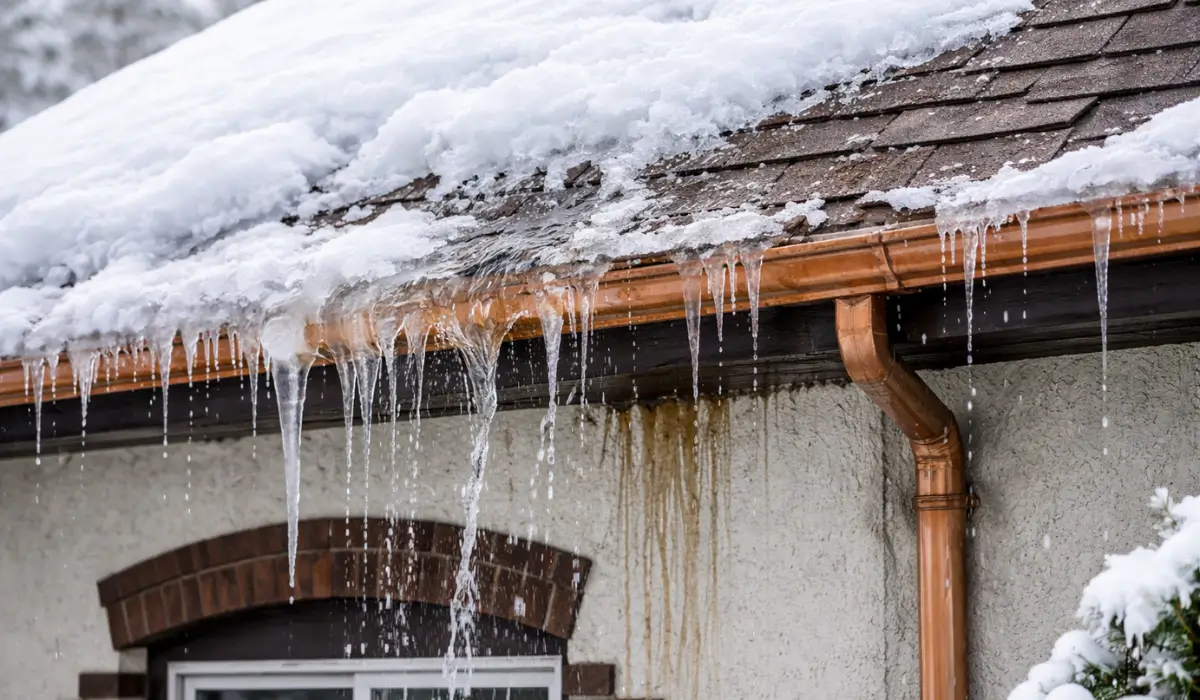
Roof leaks in winter almost always lead to more than just a minor drip. Freezing temperatures, ice dams, and snow buildup push moisture into unseen places—behind siding, into attic insulation, and along ceiling joints. What starts small can spiral into mold growth, structural rot, or even electrical hazards.
These issues worsen silently, one freeze-thaw cycle at a time. Top Quality Roofing & Siding helps Illinois homeowners stop winter leaks before they escalate. Roofing services are available year-round to protect homes from costly seasonal damage.
Why Winter Roof Leaks Are More Dangerous Than You Think
Water behaves differently in freezing temperatures—and roofing materials respond to it in ways that accelerate unseen damage.
Ice dams force water backward beneath shingles, trap moisture in frozen roofing layers, widen cracks through freeze‑thaw stress, and allow wind‑driven snow to enter small gaps, a chain reaction the University of Minnesota Extension links to poor insulation and heat loss that often leads to costly, hard‑to‑detect moisture damage in Illinois homes.
Frozen roofing layers trap moisture, allowing leaks to spread sideways into decking and underlayment
Expansion and contraction from freeze-thaw cycles widen cracks around fasteners, vents, and flashing
Wind-driven snow enters small gaps, melts later, and travels to interior cavities
What makes winter leaks especially damaging is how slowly moisture evaporates in cold weather. Wet insulation stays saturated. Damp wood doesn't dry. That environment is ideal for mold, warping, and wood decay.
Top Quality Roofing & Siding specializes in identifying weather-driven roof damage before it becomes permanent. Our certified experts are trained to spot winter-specific wear that many general contractors miss.
Signs You Might Already Have a Roof Leak (Even If You Don’t See Drips)
Roof leaks in winter rarely start with a drip in a bucket. Most begin subtly—between the attic and ceiling—often going unnoticed until interior finishes are already compromised.
Common Early Signs Include:
Yellow or brown stains on second-story ceilings
Peeling paint or bubbling drywall near ceiling corners
Drafty rooms or cold zones that weren’t there last season
Insulation that feels damp, compressed, or musty
Mold spores around window corners or siding seams
A faint smell in upstairs closets or hallways
These issues point to trapped moisture, often tied to attic water issues or siding leaks during freeze-thaw cycles.
Top Quality Roofing & Siding, the roofing company Naperville homeowners trust, detects winter leak patterns missed by general contractors. Precision inspections reduce guesswork—and damage.
The Hidden Costs of Delaying Roof Leak Repairs
Putting off action on roof leaks in winter turns small concerns into high-dollar consequences. Cold weather doesn’t just cause leaks—it hides them, letting damage spread behind walls and insulation.
What Starts With Moisture Infiltration Can Lead To:
Mold remediation ranging from $2,000 to over $6,000
Insulation replacement when moisture collapses the thermal barrier
Full roof deck tear-off if structural wood begins to rot
Interior wall or ceiling replacement due to saturation
Increased utility bills from heat escaping through compromised layers
Insurance claim rejections tied to delayed maintenance or "neglect"
Homeowners facing roof damage from ice dams can see costs escalate quickly—especially when moisture stays hidden for months.
Estimate repairs early using our Roof Cost Calculator before the damage spreads. Top Quality Roofing & Siding provides accurate projections and honest guidance to keep projects on budget.
When to Call for Emergency Roof Tarping
Winter storms in Illinois can trigger active leaks that require urgent action—especially when water enters living areas or electric zones.
Call For Emergency Roof Tarping When You Notice:
Leaks during ongoing snowfall or rain
Sagging drywall, bubbling ceiling paint, or visible drips
Water stains near light fixtures or fans
Rot appearing near soffits, fascia, or siding bases
Moisture with no clear source—possibly due to hidden ice dams
While emergency roof tarping isn’t permanent, it prevents further saturation until conditions allow for full repair.
Top Quality Roofing & Siding provides 24-hour emergency response across Naperville and surrounding suburbs. Our teams install cold-rated tarps quickly and safely, stopping immediate damage and prepping for full restoration.
You’re unsure where the leak is coming from, but signs keep showing. Schedule fast-response tarping in Naperville or nearby suburbs to stop the stress before damage spreads.
Why Winter Roof Repair Is Still Possible in Illinois
Many homeowners believe roofing work must wait until spring—but that’s a myth. Advances in materials, sealants, and cold-weather adhesives have made winter roofing not just possible, but dependable.
Winter Repair Success Depends On:
Cold-rated roofing adhesives designed to bond even below 20°F
Self-sealing shingles that activate with sun exposure post-installation
Tarping and patch systems that protect until permanent repairs are complete
Moisture barrier underlayment that adds insulation and seals leaks in real time
Temporary fixes in winter prevent long-term decay. Delaying repair until spring allows rot, mold, and warping to worsen—especially in roofs with improper slope or aging ventilation systems.
All repairs completed by Top Quality Roofing & Siding meet or exceed manufacturer requirements, keeping all warranty protections intact—even during off-season service. See our financing options for affordable winter repair plans.
What a Trusted Roofing Company Will Do (Step-by-Step)
Knowing what happens after you call removes hesitation. Quality contractors follow a proven approach to winter leaks—focusing on safety, detection, and long-term protection.
Steps often include:
Thermal inspection from attic to shingles to trace hidden moisture
Moisture barrier installation to contain active seepage
Underlayment testing to check for saturation below shingles
Siding edge inspections, especially along roof-wall intersections
Optional mold testing, especially when damp insulation or wood odor is detected
Ventilation audit to verify airflow, reduce condensation risk
Top Quality Roofing & Siding holds certifications such as the CertainTeed Shingle Quality Specialist and Illinois Public Adjuster License—meaning we work not only with roofing systems but also advocate for clients in the insurance claims process.
Final Thoughts and Next Steps
Roof leaks in winter don’t wait for spring to cause problems. Ice buildup, snowmelt, and thermal shock create conditions where moisture enters silently and spreads gradually. Left unchecked, leaks compromise insulation, framing, and indoor air quality long before stains appear.
Early repair preserves structural integrity, reduces long-term cost, and helps prevent mold growth. Homeowners across Naperville, Wheaton, and nearby suburbs rely on expert assessments that account for every seasonal factor. Trusted roofing services stop winter damage before it grows—keeping Illinois homes safe, efficient, and ready for whatever the next freeze brings.
Don’t wait until spring to fix what winter’s already made worse. Ignoring even a small roof leak now can mean big bills later. Emergency support and honest repairs are available across Naperville and surrounding IL suburbs. Schedule an inspection, request emergency roofing service, or get a quote to protect your home before the next freeze.
Why Illinois Winters Turn Minor Roof Leaks Into Major Damage
Roof leaks in winter almost always lead to more than just a minor drip. Freezing temperatures, ice dams, and snow buildup push moisture into unseen places—behind siding, into attic insulation, and along ceiling joints. What starts small can spiral into mold growth, structural rot, or even electrical hazards.
These issues worsen silently, one freeze-thaw cycle at a time. Top Quality Roofing & Siding helps Illinois homeowners stop winter leaks before they escalate. Roofing services are available year-round to protect homes from costly seasonal damage.
Why Winter Roof Leaks Are More Dangerous Than You Think
Water behaves differently in freezing temperatures—and roofing materials respond to it in ways that accelerate unseen damage.
Ice dams force water backward beneath shingles, trap moisture in frozen roofing layers, widen cracks through freeze‑thaw stress, and allow wind‑driven snow to enter small gaps, a chain reaction the University of Minnesota Extension links to poor insulation and heat loss that often leads to costly, hard‑to‑detect moisture damage in Illinois homes.
Frozen roofing layers trap moisture, allowing leaks to spread sideways into decking and underlayment
Expansion and contraction from freeze-thaw cycles widen cracks around fasteners, vents, and flashing
Wind-driven snow enters small gaps, melts later, and travels to interior cavities
What makes winter leaks especially damaging is how slowly moisture evaporates in cold weather. Wet insulation stays saturated. Damp wood doesn't dry. That environment is ideal for mold, warping, and wood decay.
Top Quality Roofing & Siding specializes in identifying weather-driven roof damage before it becomes permanent. Our certified experts are trained to spot winter-specific wear that many general contractors miss.
Signs You Might Already Have a Roof Leak (Even If You Don’t See Drips)
Roof leaks in winter rarely start with a drip in a bucket. Most begin subtly—between the attic and ceiling—often going unnoticed until interior finishes are already compromised.
Common Early Signs Include:
Yellow or brown stains on second-story ceilings
Peeling paint or bubbling drywall near ceiling corners
Drafty rooms or cold zones that weren’t there last season
Insulation that feels damp, compressed, or musty
Mold spores around window corners or siding seams
A faint smell in upstairs closets or hallways
These issues point to trapped moisture, often tied to attic water issues or siding leaks during freeze-thaw cycles.
Top Quality Roofing & Siding, the roofing company Naperville homeowners trust, detects winter leak patterns missed by general contractors. Precision inspections reduce guesswork—and damage.
The Hidden Costs of Delaying Roof Leak Repairs
Putting off action on roof leaks in winter turns small concerns into high-dollar consequences. Cold weather doesn’t just cause leaks—it hides them, letting damage spread behind walls and insulation.
What Starts With Moisture Infiltration Can Lead To:
Mold remediation ranging from $2,000 to over $6,000
Insulation replacement when moisture collapses the thermal barrier
Full roof deck tear-off if structural wood begins to rot
Interior wall or ceiling replacement due to saturation
Increased utility bills from heat escaping through compromised layers
Insurance claim rejections tied to delayed maintenance or "neglect"
Homeowners facing roof damage from ice dams can see costs escalate quickly—especially when moisture stays hidden for months.
Estimate repairs early using our Roof Cost Calculator before the damage spreads. Top Quality Roofing & Siding provides accurate projections and honest guidance to keep projects on budget.
When to Call for Emergency Roof Tarping
Winter storms in Illinois can trigger active leaks that require urgent action—especially when water enters living areas or electric zones.
Call For Emergency Roof Tarping When You Notice:
Leaks during ongoing snowfall or rain
Sagging drywall, bubbling ceiling paint, or visible drips
Water stains near light fixtures or fans
Rot appearing near soffits, fascia, or siding bases
Moisture with no clear source—possibly due to hidden ice dams
While emergency roof tarping isn’t permanent, it prevents further saturation until conditions allow for full repair.
Top Quality Roofing & Siding provides 24-hour emergency response across Naperville and surrounding suburbs. Our teams install cold-rated tarps quickly and safely, stopping immediate damage and prepping for full restoration.
You’re unsure where the leak is coming from, but signs keep showing. Schedule fast-response tarping in Naperville or nearby suburbs to stop the stress before damage spreads.
Why Winter Roof Repair Is Still Possible in Illinois
Many homeowners believe roofing work must wait until spring—but that’s a myth. Advances in materials, sealants, and cold-weather adhesives have made winter roofing not just possible, but dependable.
Winter Repair Success Depends On:
Cold-rated roofing adhesives designed to bond even below 20°F
Self-sealing shingles that activate with sun exposure post-installation
Tarping and patch systems that protect until permanent repairs are complete
Moisture barrier underlayment that adds insulation and seals leaks in real time
Temporary fixes in winter prevent long-term decay. Delaying repair until spring allows rot, mold, and warping to worsen—especially in roofs with improper slope or aging ventilation systems.
All repairs completed by Top Quality Roofing & Siding meet or exceed manufacturer requirements, keeping all warranty protections intact—even during off-season service. See our financing options for affordable winter repair plans.
What a Trusted Roofing Company Will Do (Step-by-Step)
Knowing what happens after you call removes hesitation. Quality contractors follow a proven approach to winter leaks—focusing on safety, detection, and long-term protection.
Steps often include:
Thermal inspection from attic to shingles to trace hidden moisture
Moisture barrier installation to contain active seepage
Underlayment testing to check for saturation below shingles
Siding edge inspections, especially along roof-wall intersections
Optional mold testing, especially when damp insulation or wood odor is detected
Ventilation audit to verify airflow, reduce condensation risk
Top Quality Roofing & Siding holds certifications such as the CertainTeed Shingle Quality Specialist and Illinois Public Adjuster License—meaning we work not only with roofing systems but also advocate for clients in the insurance claims process.
Final Thoughts and Next Steps
Roof leaks in winter don’t wait for spring to cause problems. Ice buildup, snowmelt, and thermal shock create conditions where moisture enters silently and spreads gradually. Left unchecked, leaks compromise insulation, framing, and indoor air quality long before stains appear.
Early repair preserves structural integrity, reduces long-term cost, and helps prevent mold growth. Homeowners across Naperville, Wheaton, and nearby suburbs rely on expert assessments that account for every seasonal factor. Trusted roofing services stop winter damage before it grows—keeping Illinois homes safe, efficient, and ready for whatever the next freeze brings.
Don’t wait until spring to fix what winter’s already made worse. Ignoring even a small roof leak now can mean big bills later. Emergency support and honest repairs are available across Naperville and surrounding IL suburbs. Schedule an inspection, request emergency roofing service, or get a quote to protect your home before the next freeze.
Why Illinois Winters Turn Minor Roof Leaks Into Major Damage
Roof leaks in winter almost always lead to more than just a minor drip. Freezing temperatures, ice dams, and snow buildup push moisture into unseen places—behind siding, into attic insulation, and along ceiling joints. What starts small can spiral into mold growth, structural rot, or even electrical hazards.
These issues worsen silently, one freeze-thaw cycle at a time. Top Quality Roofing & Siding helps Illinois homeowners stop winter leaks before they escalate. Roofing services are available year-round to protect homes from costly seasonal damage.
Why Winter Roof Leaks Are More Dangerous Than You Think
Water behaves differently in freezing temperatures—and roofing materials respond to it in ways that accelerate unseen damage.
Ice dams force water backward beneath shingles, trap moisture in frozen roofing layers, widen cracks through freeze‑thaw stress, and allow wind‑driven snow to enter small gaps, a chain reaction the University of Minnesota Extension links to poor insulation and heat loss that often leads to costly, hard‑to‑detect moisture damage in Illinois homes.
Frozen roofing layers trap moisture, allowing leaks to spread sideways into decking and underlayment
Expansion and contraction from freeze-thaw cycles widen cracks around fasteners, vents, and flashing
Wind-driven snow enters small gaps, melts later, and travels to interior cavities
What makes winter leaks especially damaging is how slowly moisture evaporates in cold weather. Wet insulation stays saturated. Damp wood doesn't dry. That environment is ideal for mold, warping, and wood decay.
Top Quality Roofing & Siding specializes in identifying weather-driven roof damage before it becomes permanent. Our certified experts are trained to spot winter-specific wear that many general contractors miss.
Signs You Might Already Have a Roof Leak (Even If You Don’t See Drips)
Roof leaks in winter rarely start with a drip in a bucket. Most begin subtly—between the attic and ceiling—often going unnoticed until interior finishes are already compromised.
Common Early Signs Include:
Yellow or brown stains on second-story ceilings
Peeling paint or bubbling drywall near ceiling corners
Drafty rooms or cold zones that weren’t there last season
Insulation that feels damp, compressed, or musty
Mold spores around window corners or siding seams
A faint smell in upstairs closets or hallways
These issues point to trapped moisture, often tied to attic water issues or siding leaks during freeze-thaw cycles.
Top Quality Roofing & Siding, the roofing company Naperville homeowners trust, detects winter leak patterns missed by general contractors. Precision inspections reduce guesswork—and damage.
The Hidden Costs of Delaying Roof Leak Repairs
Putting off action on roof leaks in winter turns small concerns into high-dollar consequences. Cold weather doesn’t just cause leaks—it hides them, letting damage spread behind walls and insulation.
What Starts With Moisture Infiltration Can Lead To:
Mold remediation ranging from $2,000 to over $6,000
Insulation replacement when moisture collapses the thermal barrier
Full roof deck tear-off if structural wood begins to rot
Interior wall or ceiling replacement due to saturation
Increased utility bills from heat escaping through compromised layers
Insurance claim rejections tied to delayed maintenance or "neglect"
Homeowners facing roof damage from ice dams can see costs escalate quickly—especially when moisture stays hidden for months.
Estimate repairs early using our Roof Cost Calculator before the damage spreads. Top Quality Roofing & Siding provides accurate projections and honest guidance to keep projects on budget.
When to Call for Emergency Roof Tarping
Winter storms in Illinois can trigger active leaks that require urgent action—especially when water enters living areas or electric zones.
Call For Emergency Roof Tarping When You Notice:
Leaks during ongoing snowfall or rain
Sagging drywall, bubbling ceiling paint, or visible drips
Water stains near light fixtures or fans
Rot appearing near soffits, fascia, or siding bases
Moisture with no clear source—possibly due to hidden ice dams
While emergency roof tarping isn’t permanent, it prevents further saturation until conditions allow for full repair.
Top Quality Roofing & Siding provides 24-hour emergency response across Naperville and surrounding suburbs. Our teams install cold-rated tarps quickly and safely, stopping immediate damage and prepping for full restoration.
You’re unsure where the leak is coming from, but signs keep showing. Schedule fast-response tarping in Naperville or nearby suburbs to stop the stress before damage spreads.
Why Winter Roof Repair Is Still Possible in Illinois
Many homeowners believe roofing work must wait until spring—but that’s a myth. Advances in materials, sealants, and cold-weather adhesives have made winter roofing not just possible, but dependable.
Winter Repair Success Depends On:
Cold-rated roofing adhesives designed to bond even below 20°F
Self-sealing shingles that activate with sun exposure post-installation
Tarping and patch systems that protect until permanent repairs are complete
Moisture barrier underlayment that adds insulation and seals leaks in real time
Temporary fixes in winter prevent long-term decay. Delaying repair until spring allows rot, mold, and warping to worsen—especially in roofs with improper slope or aging ventilation systems.
All repairs completed by Top Quality Roofing & Siding meet or exceed manufacturer requirements, keeping all warranty protections intact—even during off-season service. See our financing options for affordable winter repair plans.
What a Trusted Roofing Company Will Do (Step-by-Step)
Knowing what happens after you call removes hesitation. Quality contractors follow a proven approach to winter leaks—focusing on safety, detection, and long-term protection.
Steps often include:
Thermal inspection from attic to shingles to trace hidden moisture
Moisture barrier installation to contain active seepage
Underlayment testing to check for saturation below shingles
Siding edge inspections, especially along roof-wall intersections
Optional mold testing, especially when damp insulation or wood odor is detected
Ventilation audit to verify airflow, reduce condensation risk
Top Quality Roofing & Siding holds certifications such as the CertainTeed Shingle Quality Specialist and Illinois Public Adjuster License—meaning we work not only with roofing systems but also advocate for clients in the insurance claims process.
Final Thoughts and Next Steps
Roof leaks in winter don’t wait for spring to cause problems. Ice buildup, snowmelt, and thermal shock create conditions where moisture enters silently and spreads gradually. Left unchecked, leaks compromise insulation, framing, and indoor air quality long before stains appear.
Early repair preserves structural integrity, reduces long-term cost, and helps prevent mold growth. Homeowners across Naperville, Wheaton, and nearby suburbs rely on expert assessments that account for every seasonal factor. Trusted roofing services stop winter damage before it grows—keeping Illinois homes safe, efficient, and ready for whatever the next freeze brings.
Don’t wait until spring to fix what winter’s already made worse. Ignoring even a small roof leak now can mean big bills later. Emergency support and honest repairs are available across Naperville and surrounding IL suburbs. Schedule an inspection, request emergency roofing service, or get a quote to protect your home before the next freeze.
Why Illinois Winters Turn Minor Roof Leaks Into Major Damage
Roof leaks in winter almost always lead to more than just a minor drip. Freezing temperatures, ice dams, and snow buildup push moisture into unseen places—behind siding, into attic insulation, and along ceiling joints. What starts small can spiral into mold growth, structural rot, or even electrical hazards.
These issues worsen silently, one freeze-thaw cycle at a time. Top Quality Roofing & Siding helps Illinois homeowners stop winter leaks before they escalate. Roofing services are available year-round to protect homes from costly seasonal damage.
Why Winter Roof Leaks Are More Dangerous Than You Think
Water behaves differently in freezing temperatures—and roofing materials respond to it in ways that accelerate unseen damage.
Ice dams force water backward beneath shingles, trap moisture in frozen roofing layers, widen cracks through freeze‑thaw stress, and allow wind‑driven snow to enter small gaps, a chain reaction the University of Minnesota Extension links to poor insulation and heat loss that often leads to costly, hard‑to‑detect moisture damage in Illinois homes.
Frozen roofing layers trap moisture, allowing leaks to spread sideways into decking and underlayment
Expansion and contraction from freeze-thaw cycles widen cracks around fasteners, vents, and flashing
Wind-driven snow enters small gaps, melts later, and travels to interior cavities
What makes winter leaks especially damaging is how slowly moisture evaporates in cold weather. Wet insulation stays saturated. Damp wood doesn't dry. That environment is ideal for mold, warping, and wood decay.
Top Quality Roofing & Siding specializes in identifying weather-driven roof damage before it becomes permanent. Our certified experts are trained to spot winter-specific wear that many general contractors miss.
Signs You Might Already Have a Roof Leak (Even If You Don’t See Drips)
Roof leaks in winter rarely start with a drip in a bucket. Most begin subtly—between the attic and ceiling—often going unnoticed until interior finishes are already compromised.
Common Early Signs Include:
Yellow or brown stains on second-story ceilings
Peeling paint or bubbling drywall near ceiling corners
Drafty rooms or cold zones that weren’t there last season
Insulation that feels damp, compressed, or musty
Mold spores around window corners or siding seams
A faint smell in upstairs closets or hallways
These issues point to trapped moisture, often tied to attic water issues or siding leaks during freeze-thaw cycles.
Top Quality Roofing & Siding, the roofing company Naperville homeowners trust, detects winter leak patterns missed by general contractors. Precision inspections reduce guesswork—and damage.
The Hidden Costs of Delaying Roof Leak Repairs
Putting off action on roof leaks in winter turns small concerns into high-dollar consequences. Cold weather doesn’t just cause leaks—it hides them, letting damage spread behind walls and insulation.
What Starts With Moisture Infiltration Can Lead To:
Mold remediation ranging from $2,000 to over $6,000
Insulation replacement when moisture collapses the thermal barrier
Full roof deck tear-off if structural wood begins to rot
Interior wall or ceiling replacement due to saturation
Increased utility bills from heat escaping through compromised layers
Insurance claim rejections tied to delayed maintenance or "neglect"
Homeowners facing roof damage from ice dams can see costs escalate quickly—especially when moisture stays hidden for months.
Estimate repairs early using our Roof Cost Calculator before the damage spreads. Top Quality Roofing & Siding provides accurate projections and honest guidance to keep projects on budget.
When to Call for Emergency Roof Tarping
Winter storms in Illinois can trigger active leaks that require urgent action—especially when water enters living areas or electric zones.
Call For Emergency Roof Tarping When You Notice:
Leaks during ongoing snowfall or rain
Sagging drywall, bubbling ceiling paint, or visible drips
Water stains near light fixtures or fans
Rot appearing near soffits, fascia, or siding bases
Moisture with no clear source—possibly due to hidden ice dams
While emergency roof tarping isn’t permanent, it prevents further saturation until conditions allow for full repair.
Top Quality Roofing & Siding provides 24-hour emergency response across Naperville and surrounding suburbs. Our teams install cold-rated tarps quickly and safely, stopping immediate damage and prepping for full restoration.
You’re unsure where the leak is coming from, but signs keep showing. Schedule fast-response tarping in Naperville or nearby suburbs to stop the stress before damage spreads.
Why Winter Roof Repair Is Still Possible in Illinois
Many homeowners believe roofing work must wait until spring—but that’s a myth. Advances in materials, sealants, and cold-weather adhesives have made winter roofing not just possible, but dependable.
Winter Repair Success Depends On:
Cold-rated roofing adhesives designed to bond even below 20°F
Self-sealing shingles that activate with sun exposure post-installation
Tarping and patch systems that protect until permanent repairs are complete
Moisture barrier underlayment that adds insulation and seals leaks in real time
Temporary fixes in winter prevent long-term decay. Delaying repair until spring allows rot, mold, and warping to worsen—especially in roofs with improper slope or aging ventilation systems.
All repairs completed by Top Quality Roofing & Siding meet or exceed manufacturer requirements, keeping all warranty protections intact—even during off-season service. See our financing options for affordable winter repair plans.
What a Trusted Roofing Company Will Do (Step-by-Step)
Knowing what happens after you call removes hesitation. Quality contractors follow a proven approach to winter leaks—focusing on safety, detection, and long-term protection.
Steps often include:
Thermal inspection from attic to shingles to trace hidden moisture
Moisture barrier installation to contain active seepage
Underlayment testing to check for saturation below shingles
Siding edge inspections, especially along roof-wall intersections
Optional mold testing, especially when damp insulation or wood odor is detected
Ventilation audit to verify airflow, reduce condensation risk
Top Quality Roofing & Siding holds certifications such as the CertainTeed Shingle Quality Specialist and Illinois Public Adjuster License—meaning we work not only with roofing systems but also advocate for clients in the insurance claims process.
Final Thoughts and Next Steps
Roof leaks in winter don’t wait for spring to cause problems. Ice buildup, snowmelt, and thermal shock create conditions where moisture enters silently and spreads gradually. Left unchecked, leaks compromise insulation, framing, and indoor air quality long before stains appear.
Early repair preserves structural integrity, reduces long-term cost, and helps prevent mold growth. Homeowners across Naperville, Wheaton, and nearby suburbs rely on expert assessments that account for every seasonal factor. Trusted roofing services stop winter damage before it grows—keeping Illinois homes safe, efficient, and ready for whatever the next freeze brings.
Don’t wait until spring to fix what winter’s already made worse. Ignoring even a small roof leak now can mean big bills later. Emergency support and honest repairs are available across Naperville and surrounding IL suburbs. Schedule an inspection, request emergency roofing service, or get a quote to protect your home before the next freeze.


Pricing & financing



Copyright © 2025 Top Quality Roofing and Siding
Pricing & financing
Copyright © 2025 Top Quality Roofing and Siding
Pricing & financing

Copyright © 2025 Top Quality Roofing and Siding