
Free Estimates on New Roof, Siding, Gutter Replacements


Free Estimates on New Roof, Siding, Gutter Replacements
(630) 520-0576
Mon - Sat: 8am to 8pm

The Best Time to Book a Siding Project in Illinois? It's Now
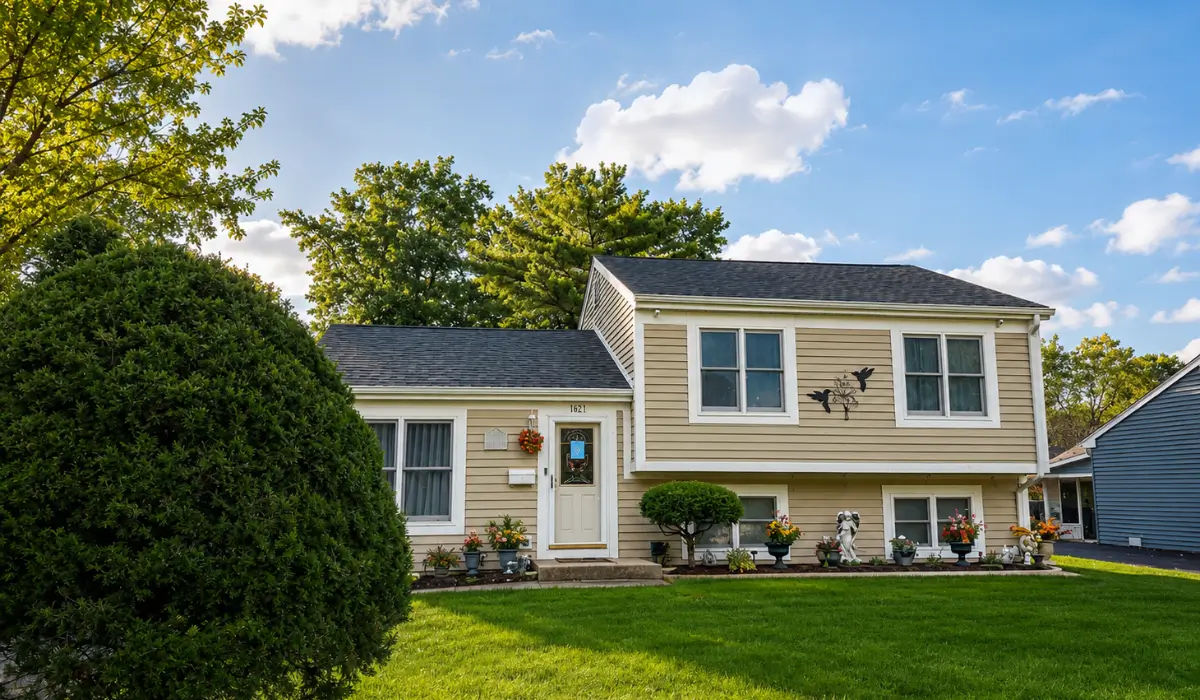






Many homeowners notice faded panels, loose siding, minor storm damage, or aging trim and assume the project can wait. What we often see is that small exterior issues become larger repairs when moisture and weather exposure go unchecked.
A siding project in Illinois is usually best booked in summer because weather conditions are more predictable, contractor schedules are easier to secure, and product availability is often stronger before fall demand increases.
Top Quality Roofing & Siding works with homeowners throughout Warrenville, Naperville, DuPage County, Kane County, and nearby communities. Most homeowners are not trying to become siding experts. They want to know when to act, what it may cost, which material makes sense, and how to avoid choosing the wrong contractor. This guide is built around those decisions, not just general siding advice.
Many homeowners review siding options and estimated costs before deciding which direction fits their goals.
Why Summer Is the Best Time for a Siding Project in Illinois
Quick Answer: Summer is typically the best time for siding projects in Illinois because it gives homeowners more flexibility, better scheduling options, and more time to compare materials, costs, and warranties before making a decision. |
What We See After Helping Hundreds of Homeowners
Many siding issues begin in places homeowners rarely inspect. Window corners, trim transitions, lower wall sections, and areas behind downspouts often show signs of wear before larger problems become visible.
What we often see is a homeowner noticing faded panels, loose siding, or minor storm damage while hidden moisture exposure continues behind the surface. By the time the problem feels urgent, the project often becomes more expensive and more restrictive.
A homeowner in Warrenville with faded siding may not need immediate replacement, but summer provides an opportunity to evaluate options before weather conditions and contractor schedules become more restrictive.
Best answer: Summer is often the best siding season because it gives homeowners more flexibility, more planning time, and more control over important decisions.
Why Summer Creates Better Installation Conditions
Summer provides some of the most consistent installation conditions of the year. Fewer weather interruptions help projects stay on schedule and reduce delays that can affect both labor and material coordination.
Illinois homes must handle summer humidity, spring rain, winter freeze-thaw cycles, and strong seasonal storms. Siding helps protect insulation, trim, and wall systems from moisture damage while supporting curb appeal and long-term home value.
Several factors make summer a popular installation season:
More predictable weather
Longer workdays
Better product availability
Fewer weather-related delays
Easier coordination with other exterior projects
Many homeowners also review roofing services because roofing, gutters, ventilation, and siding work together to protect the home.
How Consistent Weather Supports Better Results
Weather affects nearly every stage of an exterior project, from delivery schedules to installation quality.
In many real cases, homeowners who reserve installation dates earlier in the season experience fewer disruptions because crews can maintain a more consistent schedule. This is one reason many homeowners planning a siding installation IL project prefer securing dates before contractor calendars become crowded.
A siding installation window is the period when weather conditions, contractor availability, and product supply align to create the fewest project delays.
How Early Planning Protects Your Budget
Summer is also when many homeowners begin comparing seasonal promotions and manufacturer incentives. Limited-time savings opportunities can make premium products more accessible before fall demand increases and schedules become more competitive.
Many homeowners begin by comparing prices because cost is the most visible part of the project. However, what the siding costs over time often matters more. Maintenance requirements, repair frequency, weather resistance, and expected lifespan all influence long-term value.
Homeowners comparing premium siding options often review James Hardie fiber cement siding because of its reputation for durability and long-term performance.
Best Time | Best For | Homeowner Advantage |
Early Summer | Product Selection | More colors and profiles |
Mid-Summer | Installation | Stable weather and faster timelines |
Late Summer | Urgent Upgrades | Still possible, but schedules tighten |
Fall | Last-Minute Projects | Greater risk of delays |
Many homeowners researching James Hardie summer deals begin planning during this stage because timing often affects both availability and scheduling flexibility.
Why Early Planning Matters
The hidden cost of waiting is not always a higher estimate. Sometimes it is fewer choices, more stress, and less time to evaluate important decisions carefully.
What we often see is homeowners spending weeks comparing interior upgrades while giving less attention to the materials protecting the outside of the home. Earlier planning creates time to compare products, review warranty details, and understand the trade-offs between different siding options.
That extra planning time often results in better decisions because homeowners can focus on long-term goals instead of reacting to urgent problems.
Which Siding Materials Make Sense for Illinois Homes
The best siding material depends on a home's condition, maintenance expectations, weather exposure, and budget.
Vinyl, fiber cement, and engineered wood can all perform well in Illinois when properly installed. The strongest choice is usually the one that matches how the homeowner plans to maintain and live in the home over time.
Many homeowners begin by comparing price, but long-term value is often a better decision-making tool than installation cost alone.
Before choosing a material, consider:
Lifespan
Maintenance requirements
Weather resistance
Warranty coverage
Repair costs
Resale value
Many homeowners researching PlyGem siding cost start with budget comparisons and later discover that maintenance expectations and durability can have a greater impact on overall satisfaction.
Homeowners narrowing their options often review our vinyl and fiber cement comparison before making a final decision.
Comparing Popular Siding Options
Material selection is not only about durability. Home style matters too. Modern homes often pair well with clean horizontal profiles, board-and-batten designs, or darker color palettes. Traditional homes frequently benefit from lap siding, cedar-inspired textures, and classic neutral tones. Matching siding style to the home's architecture often creates a more cohesive finished appearance.
Material | Durability | Maintenance | Appearance Options |
Vinyl | Good | Low | Excellent |
Fiber Cement | Excellent | Low | Excellent |
Engineered Wood | Excellent | Moderate | Excellent |
Natural Wood | Moderate | High | Excellent |
Homeowners researching LP SmartSide benefits often appreciate the combination of engineered durability and natural wood appearance. Many compare LP SmartSide engineered wood siding when evaluating alternatives to traditional wood products.
The best siding choice is usually the one that matches how the homeowner actually lives. Some homeowners want the lowest maintenance option available. Others prioritize appearance, resale value, or a material capable of handling years of Illinois weather with minimal upkeep.
We have seen homeowners choose attractive products that did not align with their maintenance expectations. The siding looked great initially, but the upkeep eventually became frustrating.
How to Choose a Local Contractor With Confidence
The contractor matters just as much as the material because even a premium siding product can fail sooner than expected if it is not installed correctly.
Illinois homeowners face local permitting requirements, changing weather conditions, and different home styles. A contractor familiar with Warrenville, Naperville, DuPage County, and Kane County is often better prepared to identify local challenges before work begins.
Top Quality Roofing & Siding has served more than 900 homes throughout the region and brings over 30 years of combined experience along with CertainTeed certification. Proper installation helps protect warranty coverage, improve long-term performance, and reduce the likelihood of preventable repairs.
Many homeowners also review our past project gallery to see how different siding styles, colors, and materials look on completed Illinois homes.
Questions Worth Asking During an Estimate
A quality estimate should provide more than pricing.
Homeowners should understand the recommended material, project timeline, warranty coverage, and any hidden concerns that could affect the home's exterior condition.
Questions worth asking include:
What material do you recommend and why?
What warranty protection is included?
What timeline should I expect?
Are there moisture or structural concerns?
Those answers often reveal whether a contractor is focused on long-term value or simply trying to secure a project quickly.
Contractor Red Flags
Not every estimate provides the same level of value.
Red flags include:
Vague estimates
Pressure to sign quickly
Unclear warranty details
No discussion of moisture concerns
No inspection of trim or drainage issues
No explanation of how siding works with roofing, gutters, and ventilation
Verified reviews often provide useful insight into communication, workmanship, scheduling reliability, and how contractors respond when unexpected issues arise. Consistent feedback across multiple review platforms usually creates a clearer picture than a handful of isolated testimonials.
A good siding recommendation should not sound the same for every home. Homeowners researching siding contractors Warrenville often find that the strongest recommendations begin with the condition of the home rather than a one-size-fits-all sales pitch.
What Homeowners Should Decide Before Booking
Understanding the home's condition first often makes product comparisons easier.
Many siding projects become simpler when homeowners focus on performance, maintenance expectations, weather exposure, and long-term goals instead of comparing products alone.
Before Booking Your Project, Decide:
Is the siding damaged or simply outdated?
Do you want the project completed before fall?
Is low maintenance, durability, or appearance your priority?
What budget feels comfortable?
Are roofing, gutters, or trim also showing signs of age?
A homeowner replacing severely faded siding may prioritize appearance and resale value. Another homeowner dealing with moisture concerns may focus more heavily on durability and weather protection.
The goal is not choosing the most expensive material. The goal is selecting the option that best supports the home's condition and future plans.
Understanding the Complete Exterior Picture
Many homeowners think of siding as a stand-alone upgrade.
In reality, siding works alongside roofing, ventilation, trim, and drainage systems.
Proper siding performance is closely connected to insulation, moisture control, and airflow throughout the home. Homeowners interested in improving overall energy performance often review guidance from the U.S. Department of Energy to better understand how insulation and exterior protection systems work together.
If those areas are aging, replacing siding without evaluating them can leave underlying problems unresolved. This is one reason we encourage homeowners to review gutter services before finalizing major exterior improvements.
When Waiting May Cost More
Waiting may cost more when damage spreads behind the siding, trim begins to soften, or moisture reaches the wall system.
What we often see is homeowners focusing on visible siding damage while overlooking the conditions that caused it. Water management issues, aging gutters, poor ventilation, and storm-related wear can all contribute to premature siding failure.
Siding problems rarely begin across an entire wall. They often start around window corners, trim transitions, lower wall sections, roof-to-wall intersections, and areas behind downspouts where moisture exposure is more common.
In DuPage County and Kane County homes, weather exposure can significantly influence siding performance. Homes with open west-facing walls often show fading and wind wear sooner than more sheltered properties.
For many homeowners, a siding project in Illinois becomes less about appearance and more about understanding the true condition of the home.
What Most Homeowners Overlook Before Spending Money on Siding
Before committing to a project, homeowners should confirm:
Is the damage cosmetic or structural?
Are gutters draining correctly?
Is there moisture around windows or trim?
Do you understand warranty coverage?
Has the contractor explained product lead times?
Repair or Replace: A Simple Decision Framework
Repair may make sense when damage is small, isolated, and not connected to moisture problems.
Replacement often makes more sense when siding is faded across large areas, warped, cracked, pulling away from the home, or showing signs of water damage behind the panels.
The key question is not “Can this be patched?” The better question is “Will this repair solve the problem or delay a bigger one?”
A homeowner in Naperville dealing with warped panels after winter may benefit from a closer inspection before deciding between repair and replacement because visible damage is not always the complete story.
Summer Siding Risk Matrix
Situation | Risk If You Wait | Better Summer Action |
Faded siding only | Lower curb appeal | Compare colors and styles early |
Loose or cracked panels | Water may get behind siding | Schedule inspection before storms |
Soft trim near windows | Hidden moisture may spread | Check trim and wall condition |
Planning to sell | Missed curb appeal window | Finish before listing photos |
Aging gutters too | Drainage may damage new siding | Review gutters during estimate |
A DuPage County homeowner preparing to sell may benefit from completing siding improvements before listing photos are taken because curb appeal often shapes first impressions immediately.
Biggest Mistakes Homeowners Make Before Replacing Siding
Many siding problems become more expensive because of timing and decision-making rather than the material itself.
Common mistakes include:
Waiting until damage spreads
Comparing only price
Ignoring moisture concerns
Choosing materials based only on appearance
Not reviewing warranty details
Avoiding these mistakes often leads to better project outcomes and fewer surprises after installation.
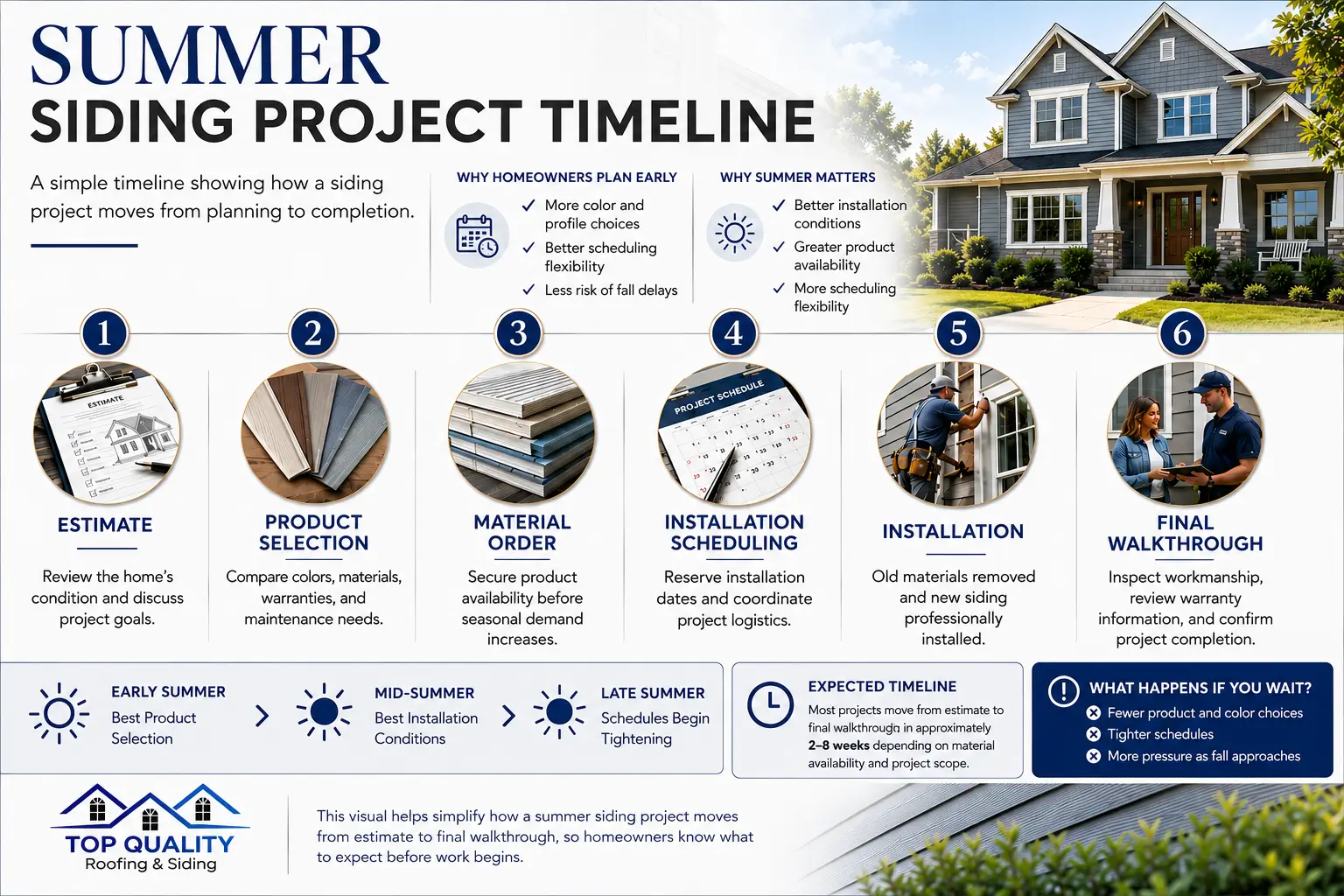
Summer Timeline for a Siding Project in Illinois
Common Questions Homeowners Ask Before Replacing Siding
Should I repair my siding or replace it?
Homeowners searching for vinyl siding repair near me often begin by comparing repair costs against replacement costs. Small, isolated damage may be repairable, but widespread fading, warping, moisture damage, or repeated repairs often make replacement the more practical long-term solution.
Does new siding help when selling a home?
In many cases, yes. Updated siding can improve first impressions, reduce visible maintenance concerns, and help buyers feel more confident about the condition of the home. Many homeowners also review home value roofing upgrades when planning larger exterior improvements before listing a property.
What if I am not ready to replace my siding yet?
A professional evaluation can still be useful. A professional inspection can clarify the home's condition without requiring an immediate replacement decision. Homeowners concerned about moisture-related issues often review our winter siding moisture guide for additional guidance.
Why Acting Now Creates More Control
Homeowners who begin planning earlier often have more time to evaluate their choices carefully. Earlier planning allows homeowners to make decisions with less pressure and more confidence.
A siding project in Illinois becomes easier when decisions are made proactively rather than reactively. The process feels less rushed, and homeowners have more time to evaluate what makes sense for their property.
Summer is usually the strongest season for siding projects, but it is not the only workable season. If damage is severe, waiting for the perfect month may not be the best decision. The better approach is to inspect the home, understand its condition, and choose a timeline based on facts rather than the calendar alone.
Ready to Plan Your Summer Installation?
Summer installation schedules tend to fill quickly as fall approaches, so many homeowners secure their project dates early to maintain flexibility and product availability.
Top Quality Roofing & Siding has helped more than 900 homeowners make confident siding decisions with transparent pricing, honest recommendations, and solutions built for Illinois weather.
Lock in summer siding savings before schedules tighten.
We’ll explain your options clearly, answer your questions honestly, and help you choose the right solution for your home—without pressure or obligation.
Many homeowners notice faded panels, loose siding, minor storm damage, or aging trim and assume the project can wait. What we often see is that small exterior issues become larger repairs when moisture and weather exposure go unchecked.
A siding project in Illinois is usually best booked in summer because weather conditions are more predictable, contractor schedules are easier to secure, and product availability is often stronger before fall demand increases.
Top Quality Roofing & Siding works with homeowners throughout Warrenville, Naperville, DuPage County, Kane County, and nearby communities. Most homeowners are not trying to become siding experts. They want to know when to act, what it may cost, which material makes sense, and how to avoid choosing the wrong contractor. This guide is built around those decisions, not just general siding advice.
Many homeowners review siding options and estimated costs before deciding which direction fits their goals.
Why Summer Is the Best Time for a Siding Project in Illinois
Quick Answer: Summer is typically the best time for siding projects in Illinois because it gives homeowners more flexibility, better scheduling options, and more time to compare materials, costs, and warranties before making a decision. |
What We See After Helping Hundreds of Homeowners
Many siding issues begin in places homeowners rarely inspect. Window corners, trim transitions, lower wall sections, and areas behind downspouts often show signs of wear before larger problems become visible.
What we often see is a homeowner noticing faded panels, loose siding, or minor storm damage while hidden moisture exposure continues behind the surface. By the time the problem feels urgent, the project often becomes more expensive and more restrictive.
A homeowner in Warrenville with faded siding may not need immediate replacement, but summer provides an opportunity to evaluate options before weather conditions and contractor schedules become more restrictive.
Best answer: Summer is often the best siding season because it gives homeowners more flexibility, more planning time, and more control over important decisions.
Why Summer Creates Better Installation Conditions
Summer provides some of the most consistent installation conditions of the year. Fewer weather interruptions help projects stay on schedule and reduce delays that can affect both labor and material coordination.
Illinois homes must handle summer humidity, spring rain, winter freeze-thaw cycles, and strong seasonal storms. Siding helps protect insulation, trim, and wall systems from moisture damage while supporting curb appeal and long-term home value.
Several factors make summer a popular installation season:
More predictable weather
Longer workdays
Better product availability
Fewer weather-related delays
Easier coordination with other exterior projects
Many homeowners also review roofing services because roofing, gutters, ventilation, and siding work together to protect the home.
How Consistent Weather Supports Better Results
Weather affects nearly every stage of an exterior project, from delivery schedules to installation quality.
In many real cases, homeowners who reserve installation dates earlier in the season experience fewer disruptions because crews can maintain a more consistent schedule. This is one reason many homeowners planning a siding installation IL project prefer securing dates before contractor calendars become crowded.
A siding installation window is the period when weather conditions, contractor availability, and product supply align to create the fewest project delays.
How Early Planning Protects Your Budget
Summer is also when many homeowners begin comparing seasonal promotions and manufacturer incentives. Limited-time savings opportunities can make premium products more accessible before fall demand increases and schedules become more competitive.
Many homeowners begin by comparing prices because cost is the most visible part of the project. However, what the siding costs over time often matters more. Maintenance requirements, repair frequency, weather resistance, and expected lifespan all influence long-term value.
Homeowners comparing premium siding options often review James Hardie fiber cement siding because of its reputation for durability and long-term performance.
Best Time | Best For | Homeowner Advantage |
Early Summer | Product Selection | More colors and profiles |
Mid-Summer | Installation | Stable weather and faster timelines |
Late Summer | Urgent Upgrades | Still possible, but schedules tighten |
Fall | Last-Minute Projects | Greater risk of delays |
Many homeowners researching James Hardie summer deals begin planning during this stage because timing often affects both availability and scheduling flexibility.
Why Early Planning Matters
The hidden cost of waiting is not always a higher estimate. Sometimes it is fewer choices, more stress, and less time to evaluate important decisions carefully.
What we often see is homeowners spending weeks comparing interior upgrades while giving less attention to the materials protecting the outside of the home. Earlier planning creates time to compare products, review warranty details, and understand the trade-offs between different siding options.
That extra planning time often results in better decisions because homeowners can focus on long-term goals instead of reacting to urgent problems.
Which Siding Materials Make Sense for Illinois Homes
The best siding material depends on a home's condition, maintenance expectations, weather exposure, and budget.
Vinyl, fiber cement, and engineered wood can all perform well in Illinois when properly installed. The strongest choice is usually the one that matches how the homeowner plans to maintain and live in the home over time.
Many homeowners begin by comparing price, but long-term value is often a better decision-making tool than installation cost alone.
Before choosing a material, consider:
Lifespan
Maintenance requirements
Weather resistance
Warranty coverage
Repair costs
Resale value
Many homeowners researching PlyGem siding cost start with budget comparisons and later discover that maintenance expectations and durability can have a greater impact on overall satisfaction.
Homeowners narrowing their options often review our vinyl and fiber cement comparison before making a final decision.
Comparing Popular Siding Options
Material selection is not only about durability. Home style matters too. Modern homes often pair well with clean horizontal profiles, board-and-batten designs, or darker color palettes. Traditional homes frequently benefit from lap siding, cedar-inspired textures, and classic neutral tones. Matching siding style to the home's architecture often creates a more cohesive finished appearance.
Material | Durability | Maintenance | Appearance Options |
Vinyl | Good | Low | Excellent |
Fiber Cement | Excellent | Low | Excellent |
Engineered Wood | Excellent | Moderate | Excellent |
Natural Wood | Moderate | High | Excellent |
Homeowners researching LP SmartSide benefits often appreciate the combination of engineered durability and natural wood appearance. Many compare LP SmartSide engineered wood siding when evaluating alternatives to traditional wood products.
The best siding choice is usually the one that matches how the homeowner actually lives. Some homeowners want the lowest maintenance option available. Others prioritize appearance, resale value, or a material capable of handling years of Illinois weather with minimal upkeep.
We have seen homeowners choose attractive products that did not align with their maintenance expectations. The siding looked great initially, but the upkeep eventually became frustrating.
How to Choose a Local Contractor With Confidence
The contractor matters just as much as the material because even a premium siding product can fail sooner than expected if it is not installed correctly.
Illinois homeowners face local permitting requirements, changing weather conditions, and different home styles. A contractor familiar with Warrenville, Naperville, DuPage County, and Kane County is often better prepared to identify local challenges before work begins.
Top Quality Roofing & Siding has served more than 900 homes throughout the region and brings over 30 years of combined experience along with CertainTeed certification. Proper installation helps protect warranty coverage, improve long-term performance, and reduce the likelihood of preventable repairs.
Many homeowners also review our past project gallery to see how different siding styles, colors, and materials look on completed Illinois homes.
Questions Worth Asking During an Estimate
A quality estimate should provide more than pricing.
Homeowners should understand the recommended material, project timeline, warranty coverage, and any hidden concerns that could affect the home's exterior condition.
Questions worth asking include:
What material do you recommend and why?
What warranty protection is included?
What timeline should I expect?
Are there moisture or structural concerns?
Those answers often reveal whether a contractor is focused on long-term value or simply trying to secure a project quickly.
Contractor Red Flags
Not every estimate provides the same level of value.
Red flags include:
Vague estimates
Pressure to sign quickly
Unclear warranty details
No discussion of moisture concerns
No inspection of trim or drainage issues
No explanation of how siding works with roofing, gutters, and ventilation
Verified reviews often provide useful insight into communication, workmanship, scheduling reliability, and how contractors respond when unexpected issues arise. Consistent feedback across multiple review platforms usually creates a clearer picture than a handful of isolated testimonials.
A good siding recommendation should not sound the same for every home. Homeowners researching siding contractors Warrenville often find that the strongest recommendations begin with the condition of the home rather than a one-size-fits-all sales pitch.
What Homeowners Should Decide Before Booking
Understanding the home's condition first often makes product comparisons easier.
Many siding projects become simpler when homeowners focus on performance, maintenance expectations, weather exposure, and long-term goals instead of comparing products alone.
Before Booking Your Project, Decide:
Is the siding damaged or simply outdated?
Do you want the project completed before fall?
Is low maintenance, durability, or appearance your priority?
What budget feels comfortable?
Are roofing, gutters, or trim also showing signs of age?
A homeowner replacing severely faded siding may prioritize appearance and resale value. Another homeowner dealing with moisture concerns may focus more heavily on durability and weather protection.
The goal is not choosing the most expensive material. The goal is selecting the option that best supports the home's condition and future plans.
Understanding the Complete Exterior Picture
Many homeowners think of siding as a stand-alone upgrade.
In reality, siding works alongside roofing, ventilation, trim, and drainage systems.
Proper siding performance is closely connected to insulation, moisture control, and airflow throughout the home. Homeowners interested in improving overall energy performance often review guidance from the U.S. Department of Energy to better understand how insulation and exterior protection systems work together.
If those areas are aging, replacing siding without evaluating them can leave underlying problems unresolved. This is one reason we encourage homeowners to review gutter services before finalizing major exterior improvements.
When Waiting May Cost More
Waiting may cost more when damage spreads behind the siding, trim begins to soften, or moisture reaches the wall system.
What we often see is homeowners focusing on visible siding damage while overlooking the conditions that caused it. Water management issues, aging gutters, poor ventilation, and storm-related wear can all contribute to premature siding failure.
Siding problems rarely begin across an entire wall. They often start around window corners, trim transitions, lower wall sections, roof-to-wall intersections, and areas behind downspouts where moisture exposure is more common.
In DuPage County and Kane County homes, weather exposure can significantly influence siding performance. Homes with open west-facing walls often show fading and wind wear sooner than more sheltered properties.
For many homeowners, a siding project in Illinois becomes less about appearance and more about understanding the true condition of the home.
What Most Homeowners Overlook Before Spending Money on Siding
Before committing to a project, homeowners should confirm:
Is the damage cosmetic or structural?
Are gutters draining correctly?
Is there moisture around windows or trim?
Do you understand warranty coverage?
Has the contractor explained product lead times?
Repair or Replace: A Simple Decision Framework
Repair may make sense when damage is small, isolated, and not connected to moisture problems.
Replacement often makes more sense when siding is faded across large areas, warped, cracked, pulling away from the home, or showing signs of water damage behind the panels.
The key question is not “Can this be patched?” The better question is “Will this repair solve the problem or delay a bigger one?”
A homeowner in Naperville dealing with warped panels after winter may benefit from a closer inspection before deciding between repair and replacement because visible damage is not always the complete story.
Summer Siding Risk Matrix
Situation | Risk If You Wait | Better Summer Action |
Faded siding only | Lower curb appeal | Compare colors and styles early |
Loose or cracked panels | Water may get behind siding | Schedule inspection before storms |
Soft trim near windows | Hidden moisture may spread | Check trim and wall condition |
Planning to sell | Missed curb appeal window | Finish before listing photos |
Aging gutters too | Drainage may damage new siding | Review gutters during estimate |
A DuPage County homeowner preparing to sell may benefit from completing siding improvements before listing photos are taken because curb appeal often shapes first impressions immediately.
Biggest Mistakes Homeowners Make Before Replacing Siding
Many siding problems become more expensive because of timing and decision-making rather than the material itself.
Common mistakes include:
Waiting until damage spreads
Comparing only price
Ignoring moisture concerns
Choosing materials based only on appearance
Not reviewing warranty details
Avoiding these mistakes often leads to better project outcomes and fewer surprises after installation.
Summer Timeline for a Siding Project in Illinois
Common Questions Homeowners Ask Before Replacing Siding
Should I repair my siding or replace it?
Homeowners searching for vinyl siding repair near me often begin by comparing repair costs against replacement costs. Small, isolated damage may be repairable, but widespread fading, warping, moisture damage, or repeated repairs often make replacement the more practical long-term solution.
Does new siding help when selling a home?
In many cases, yes. Updated siding can improve first impressions, reduce visible maintenance concerns, and help buyers feel more confident about the condition of the home. Many homeowners also review home value roofing upgrades when planning larger exterior improvements before listing a property.
What if I am not ready to replace my siding yet?
A professional evaluation can still be useful. A professional inspection can clarify the home's condition without requiring an immediate replacement decision. Homeowners concerned about moisture-related issues often review our winter siding moisture guide for additional guidance.
Why Acting Now Creates More Control
Homeowners who begin planning earlier often have more time to evaluate their choices carefully. Earlier planning allows homeowners to make decisions with less pressure and more confidence.
A siding project in Illinois becomes easier when decisions are made proactively rather than reactively. The process feels less rushed, and homeowners have more time to evaluate what makes sense for their property.
Summer is usually the strongest season for siding projects, but it is not the only workable season. If damage is severe, waiting for the perfect month may not be the best decision. The better approach is to inspect the home, understand its condition, and choose a timeline based on facts rather than the calendar alone.
Ready to Plan Your Summer Installation?
Summer installation schedules tend to fill quickly as fall approaches, so many homeowners secure their project dates early to maintain flexibility and product availability.
Top Quality Roofing & Siding has helped more than 900 homeowners make confident siding decisions with transparent pricing, honest recommendations, and solutions built for Illinois weather.
Lock in summer siding savings before schedules tighten.
We’ll explain your options clearly, answer your questions honestly, and help you choose the right solution for your home—without pressure or obligation.
Many homeowners notice faded panels, loose siding, minor storm damage, or aging trim and assume the project can wait. What we often see is that small exterior issues become larger repairs when moisture and weather exposure go unchecked.
A siding project in Illinois is usually best booked in summer because weather conditions are more predictable, contractor schedules are easier to secure, and product availability is often stronger before fall demand increases.
Top Quality Roofing & Siding works with homeowners throughout Warrenville, Naperville, DuPage County, Kane County, and nearby communities. Most homeowners are not trying to become siding experts. They want to know when to act, what it may cost, which material makes sense, and how to avoid choosing the wrong contractor. This guide is built around those decisions, not just general siding advice.
Many homeowners review siding options and estimated costs before deciding which direction fits their goals.
Why Summer Is the Best Time for a Siding Project in Illinois
Quick Answer: Summer is typically the best time for siding projects in Illinois because it gives homeowners more flexibility, better scheduling options, and more time to compare materials, costs, and warranties before making a decision. |
What We See After Helping Hundreds of Homeowners
Many siding issues begin in places homeowners rarely inspect. Window corners, trim transitions, lower wall sections, and areas behind downspouts often show signs of wear before larger problems become visible.
What we often see is a homeowner noticing faded panels, loose siding, or minor storm damage while hidden moisture exposure continues behind the surface. By the time the problem feels urgent, the project often becomes more expensive and more restrictive.
A homeowner in Warrenville with faded siding may not need immediate replacement, but summer provides an opportunity to evaluate options before weather conditions and contractor schedules become more restrictive.
Best answer: Summer is often the best siding season because it gives homeowners more flexibility, more planning time, and more control over important decisions.
Why Summer Creates Better Installation Conditions
Summer provides some of the most consistent installation conditions of the year. Fewer weather interruptions help projects stay on schedule and reduce delays that can affect both labor and material coordination.
Illinois homes must handle summer humidity, spring rain, winter freeze-thaw cycles, and strong seasonal storms. Siding helps protect insulation, trim, and wall systems from moisture damage while supporting curb appeal and long-term home value.
Several factors make summer a popular installation season:
More predictable weather
Longer workdays
Better product availability
Fewer weather-related delays
Easier coordination with other exterior projects
Many homeowners also review roofing services because roofing, gutters, ventilation, and siding work together to protect the home.
How Consistent Weather Supports Better Results
Weather affects nearly every stage of an exterior project, from delivery schedules to installation quality.
In many real cases, homeowners who reserve installation dates earlier in the season experience fewer disruptions because crews can maintain a more consistent schedule. This is one reason many homeowners planning a siding installation IL project prefer securing dates before contractor calendars become crowded.
A siding installation window is the period when weather conditions, contractor availability, and product supply align to create the fewest project delays.
How Early Planning Protects Your Budget
Summer is also when many homeowners begin comparing seasonal promotions and manufacturer incentives. Limited-time savings opportunities can make premium products more accessible before fall demand increases and schedules become more competitive.
Many homeowners begin by comparing prices because cost is the most visible part of the project. However, what the siding costs over time often matters more. Maintenance requirements, repair frequency, weather resistance, and expected lifespan all influence long-term value.
Homeowners comparing premium siding options often review James Hardie fiber cement siding because of its reputation for durability and long-term performance.
Best Time | Best For | Homeowner Advantage |
Early Summer | Product Selection | More colors and profiles |
Mid-Summer | Installation | Stable weather and faster timelines |
Late Summer | Urgent Upgrades | Still possible, but schedules tighten |
Fall | Last-Minute Projects | Greater risk of delays |
Many homeowners researching James Hardie summer deals begin planning during this stage because timing often affects both availability and scheduling flexibility.
Why Early Planning Matters
The hidden cost of waiting is not always a higher estimate. Sometimes it is fewer choices, more stress, and less time to evaluate important decisions carefully.
What we often see is homeowners spending weeks comparing interior upgrades while giving less attention to the materials protecting the outside of the home. Earlier planning creates time to compare products, review warranty details, and understand the trade-offs between different siding options.
That extra planning time often results in better decisions because homeowners can focus on long-term goals instead of reacting to urgent problems.
Which Siding Materials Make Sense for Illinois Homes
The best siding material depends on a home's condition, maintenance expectations, weather exposure, and budget.
Vinyl, fiber cement, and engineered wood can all perform well in Illinois when properly installed. The strongest choice is usually the one that matches how the homeowner plans to maintain and live in the home over time.
Many homeowners begin by comparing price, but long-term value is often a better decision-making tool than installation cost alone.
Before choosing a material, consider:
Lifespan
Maintenance requirements
Weather resistance
Warranty coverage
Repair costs
Resale value
Many homeowners researching PlyGem siding cost start with budget comparisons and later discover that maintenance expectations and durability can have a greater impact on overall satisfaction.
Homeowners narrowing their options often review our vinyl and fiber cement comparison before making a final decision.
Comparing Popular Siding Options
Material selection is not only about durability. Home style matters too. Modern homes often pair well with clean horizontal profiles, board-and-batten designs, or darker color palettes. Traditional homes frequently benefit from lap siding, cedar-inspired textures, and classic neutral tones. Matching siding style to the home's architecture often creates a more cohesive finished appearance.
Material | Durability | Maintenance | Appearance Options |
Vinyl | Good | Low | Excellent |
Fiber Cement | Excellent | Low | Excellent |
Engineered Wood | Excellent | Moderate | Excellent |
Natural Wood | Moderate | High | Excellent |
Homeowners researching LP SmartSide benefits often appreciate the combination of engineered durability and natural wood appearance. Many compare LP SmartSide engineered wood siding when evaluating alternatives to traditional wood products.
The best siding choice is usually the one that matches how the homeowner actually lives. Some homeowners want the lowest maintenance option available. Others prioritize appearance, resale value, or a material capable of handling years of Illinois weather with minimal upkeep.
We have seen homeowners choose attractive products that did not align with their maintenance expectations. The siding looked great initially, but the upkeep eventually became frustrating.
How to Choose a Local Contractor With Confidence
The contractor matters just as much as the material because even a premium siding product can fail sooner than expected if it is not installed correctly.
Illinois homeowners face local permitting requirements, changing weather conditions, and different home styles. A contractor familiar with Warrenville, Naperville, DuPage County, and Kane County is often better prepared to identify local challenges before work begins.
Top Quality Roofing & Siding has served more than 900 homes throughout the region and brings over 30 years of combined experience along with CertainTeed certification. Proper installation helps protect warranty coverage, improve long-term performance, and reduce the likelihood of preventable repairs.
Many homeowners also review our past project gallery to see how different siding styles, colors, and materials look on completed Illinois homes.
Questions Worth Asking During an Estimate
A quality estimate should provide more than pricing.
Homeowners should understand the recommended material, project timeline, warranty coverage, and any hidden concerns that could affect the home's exterior condition.
Questions worth asking include:
What material do you recommend and why?
What warranty protection is included?
What timeline should I expect?
Are there moisture or structural concerns?
Those answers often reveal whether a contractor is focused on long-term value or simply trying to secure a project quickly.
Contractor Red Flags
Not every estimate provides the same level of value.
Red flags include:
Vague estimates
Pressure to sign quickly
Unclear warranty details
No discussion of moisture concerns
No inspection of trim or drainage issues
No explanation of how siding works with roofing, gutters, and ventilation
Verified reviews often provide useful insight into communication, workmanship, scheduling reliability, and how contractors respond when unexpected issues arise. Consistent feedback across multiple review platforms usually creates a clearer picture than a handful of isolated testimonials.
A good siding recommendation should not sound the same for every home. Homeowners researching siding contractors Warrenville often find that the strongest recommendations begin with the condition of the home rather than a one-size-fits-all sales pitch.
What Homeowners Should Decide Before Booking
Understanding the home's condition first often makes product comparisons easier.
Many siding projects become simpler when homeowners focus on performance, maintenance expectations, weather exposure, and long-term goals instead of comparing products alone.
Before Booking Your Project, Decide:
Is the siding damaged or simply outdated?
Do you want the project completed before fall?
Is low maintenance, durability, or appearance your priority?
What budget feels comfortable?
Are roofing, gutters, or trim also showing signs of age?
A homeowner replacing severely faded siding may prioritize appearance and resale value. Another homeowner dealing with moisture concerns may focus more heavily on durability and weather protection.
The goal is not choosing the most expensive material. The goal is selecting the option that best supports the home's condition and future plans.
Understanding the Complete Exterior Picture
Many homeowners think of siding as a stand-alone upgrade.
In reality, siding works alongside roofing, ventilation, trim, and drainage systems.
Proper siding performance is closely connected to insulation, moisture control, and airflow throughout the home. Homeowners interested in improving overall energy performance often review guidance from the U.S. Department of Energy to better understand how insulation and exterior protection systems work together.
If those areas are aging, replacing siding without evaluating them can leave underlying problems unresolved. This is one reason we encourage homeowners to review gutter services before finalizing major exterior improvements.
When Waiting May Cost More
Waiting may cost more when damage spreads behind the siding, trim begins to soften, or moisture reaches the wall system.
What we often see is homeowners focusing on visible siding damage while overlooking the conditions that caused it. Water management issues, aging gutters, poor ventilation, and storm-related wear can all contribute to premature siding failure.
Siding problems rarely begin across an entire wall. They often start around window corners, trim transitions, lower wall sections, roof-to-wall intersections, and areas behind downspouts where moisture exposure is more common.
In DuPage County and Kane County homes, weather exposure can significantly influence siding performance. Homes with open west-facing walls often show fading and wind wear sooner than more sheltered properties.
For many homeowners, a siding project in Illinois becomes less about appearance and more about understanding the true condition of the home.
What Most Homeowners Overlook Before Spending Money on Siding
Before committing to a project, homeowners should confirm:
Is the damage cosmetic or structural?
Are gutters draining correctly?
Is there moisture around windows or trim?
Do you understand warranty coverage?
Has the contractor explained product lead times?
Repair or Replace: A Simple Decision Framework
Repair may make sense when damage is small, isolated, and not connected to moisture problems.
Replacement often makes more sense when siding is faded across large areas, warped, cracked, pulling away from the home, or showing signs of water damage behind the panels.
The key question is not “Can this be patched?” The better question is “Will this repair solve the problem or delay a bigger one?”
A homeowner in Naperville dealing with warped panels after winter may benefit from a closer inspection before deciding between repair and replacement because visible damage is not always the complete story.
Summer Siding Risk Matrix
Situation | Risk If You Wait | Better Summer Action |
Faded siding only | Lower curb appeal | Compare colors and styles early |
Loose or cracked panels | Water may get behind siding | Schedule inspection before storms |
Soft trim near windows | Hidden moisture may spread | Check trim and wall condition |
Planning to sell | Missed curb appeal window | Finish before listing photos |
Aging gutters too | Drainage may damage new siding | Review gutters during estimate |
A DuPage County homeowner preparing to sell may benefit from completing siding improvements before listing photos are taken because curb appeal often shapes first impressions immediately.
Biggest Mistakes Homeowners Make Before Replacing Siding
Many siding problems become more expensive because of timing and decision-making rather than the material itself.
Common mistakes include:
Waiting until damage spreads
Comparing only price
Ignoring moisture concerns
Choosing materials based only on appearance
Not reviewing warranty details
Avoiding these mistakes often leads to better project outcomes and fewer surprises after installation.
Summer Timeline for a Siding Project in Illinois
Common Questions Homeowners Ask Before Replacing Siding
Should I repair my siding or replace it?
Homeowners searching for vinyl siding repair near me often begin by comparing repair costs against replacement costs. Small, isolated damage may be repairable, but widespread fading, warping, moisture damage, or repeated repairs often make replacement the more practical long-term solution.
Does new siding help when selling a home?
In many cases, yes. Updated siding can improve first impressions, reduce visible maintenance concerns, and help buyers feel more confident about the condition of the home. Many homeowners also review home value roofing upgrades when planning larger exterior improvements before listing a property.
What if I am not ready to replace my siding yet?
A professional evaluation can still be useful. A professional inspection can clarify the home's condition without requiring an immediate replacement decision. Homeowners concerned about moisture-related issues often review our winter siding moisture guide for additional guidance.
Why Acting Now Creates More Control
Homeowners who begin planning earlier often have more time to evaluate their choices carefully. Earlier planning allows homeowners to make decisions with less pressure and more confidence.
A siding project in Illinois becomes easier when decisions are made proactively rather than reactively. The process feels less rushed, and homeowners have more time to evaluate what makes sense for their property.
Summer is usually the strongest season for siding projects, but it is not the only workable season. If damage is severe, waiting for the perfect month may not be the best decision. The better approach is to inspect the home, understand its condition, and choose a timeline based on facts rather than the calendar alone.
Ready to Plan Your Summer Installation?
Summer installation schedules tend to fill quickly as fall approaches, so many homeowners secure their project dates early to maintain flexibility and product availability.
Top Quality Roofing & Siding has helped more than 900 homeowners make confident siding decisions with transparent pricing, honest recommendations, and solutions built for Illinois weather.
Lock in summer siding savings before schedules tighten.
We’ll explain your options clearly, answer your questions honestly, and help you choose the right solution for your home—without pressure or obligation.
Many homeowners notice faded panels, loose siding, minor storm damage, or aging trim and assume the project can wait. What we often see is that small exterior issues become larger repairs when moisture and weather exposure go unchecked.
A siding project in Illinois is usually best booked in summer because weather conditions are more predictable, contractor schedules are easier to secure, and product availability is often stronger before fall demand increases.
Top Quality Roofing & Siding works with homeowners throughout Warrenville, Naperville, DuPage County, Kane County, and nearby communities. Most homeowners are not trying to become siding experts. They want to know when to act, what it may cost, which material makes sense, and how to avoid choosing the wrong contractor. This guide is built around those decisions, not just general siding advice.
Many homeowners review siding options and estimated costs before deciding which direction fits their goals.
Why Summer Is the Best Time for a Siding Project in Illinois
Quick Answer: Summer is typically the best time for siding projects in Illinois because it gives homeowners more flexibility, better scheduling options, and more time to compare materials, costs, and warranties before making a decision. |
What We See After Helping Hundreds of Homeowners
Many siding issues begin in places homeowners rarely inspect. Window corners, trim transitions, lower wall sections, and areas behind downspouts often show signs of wear before larger problems become visible.
What we often see is a homeowner noticing faded panels, loose siding, or minor storm damage while hidden moisture exposure continues behind the surface. By the time the problem feels urgent, the project often becomes more expensive and more restrictive.
A homeowner in Warrenville with faded siding may not need immediate replacement, but summer provides an opportunity to evaluate options before weather conditions and contractor schedules become more restrictive.
Best answer: Summer is often the best siding season because it gives homeowners more flexibility, more planning time, and more control over important decisions.
Why Summer Creates Better Installation Conditions
Summer provides some of the most consistent installation conditions of the year. Fewer weather interruptions help projects stay on schedule and reduce delays that can affect both labor and material coordination.
Illinois homes must handle summer humidity, spring rain, winter freeze-thaw cycles, and strong seasonal storms. Siding helps protect insulation, trim, and wall systems from moisture damage while supporting curb appeal and long-term home value.
Several factors make summer a popular installation season:
More predictable weather
Longer workdays
Better product availability
Fewer weather-related delays
Easier coordination with other exterior projects
Many homeowners also review roofing services because roofing, gutters, ventilation, and siding work together to protect the home.
How Consistent Weather Supports Better Results
Weather affects nearly every stage of an exterior project, from delivery schedules to installation quality.
In many real cases, homeowners who reserve installation dates earlier in the season experience fewer disruptions because crews can maintain a more consistent schedule. This is one reason many homeowners planning a siding installation IL project prefer securing dates before contractor calendars become crowded.
A siding installation window is the period when weather conditions, contractor availability, and product supply align to create the fewest project delays.
How Early Planning Protects Your Budget
Summer is also when many homeowners begin comparing seasonal promotions and manufacturer incentives. Limited-time savings opportunities can make premium products more accessible before fall demand increases and schedules become more competitive.
Many homeowners begin by comparing prices because cost is the most visible part of the project. However, what the siding costs over time often matters more. Maintenance requirements, repair frequency, weather resistance, and expected lifespan all influence long-term value.
Homeowners comparing premium siding options often review James Hardie fiber cement siding because of its reputation for durability and long-term performance.
Best Time | Best For | Homeowner Advantage |
Early Summer | Product Selection | More colors and profiles |
Mid-Summer | Installation | Stable weather and faster timelines |
Late Summer | Urgent Upgrades | Still possible, but schedules tighten |
Fall | Last-Minute Projects | Greater risk of delays |
Many homeowners researching James Hardie summer deals begin planning during this stage because timing often affects both availability and scheduling flexibility.
Why Early Planning Matters
The hidden cost of waiting is not always a higher estimate. Sometimes it is fewer choices, more stress, and less time to evaluate important decisions carefully.
What we often see is homeowners spending weeks comparing interior upgrades while giving less attention to the materials protecting the outside of the home. Earlier planning creates time to compare products, review warranty details, and understand the trade-offs between different siding options.
That extra planning time often results in better decisions because homeowners can focus on long-term goals instead of reacting to urgent problems.
Which Siding Materials Make Sense for Illinois Homes
The best siding material depends on a home's condition, maintenance expectations, weather exposure, and budget.
Vinyl, fiber cement, and engineered wood can all perform well in Illinois when properly installed. The strongest choice is usually the one that matches how the homeowner plans to maintain and live in the home over time.
Many homeowners begin by comparing price, but long-term value is often a better decision-making tool than installation cost alone.
Before choosing a material, consider:
Lifespan
Maintenance requirements
Weather resistance
Warranty coverage
Repair costs
Resale value
Many homeowners researching PlyGem siding cost start with budget comparisons and later discover that maintenance expectations and durability can have a greater impact on overall satisfaction.
Homeowners narrowing their options often review our vinyl and fiber cement comparison before making a final decision.
Comparing Popular Siding Options
Material selection is not only about durability. Home style matters too. Modern homes often pair well with clean horizontal profiles, board-and-batten designs, or darker color palettes. Traditional homes frequently benefit from lap siding, cedar-inspired textures, and classic neutral tones. Matching siding style to the home's architecture often creates a more cohesive finished appearance.
Material | Durability | Maintenance | Appearance Options |
Vinyl | Good | Low | Excellent |
Fiber Cement | Excellent | Low | Excellent |
Engineered Wood | Excellent | Moderate | Excellent |
Natural Wood | Moderate | High | Excellent |
Homeowners researching LP SmartSide benefits often appreciate the combination of engineered durability and natural wood appearance. Many compare LP SmartSide engineered wood siding when evaluating alternatives to traditional wood products.
The best siding choice is usually the one that matches how the homeowner actually lives. Some homeowners want the lowest maintenance option available. Others prioritize appearance, resale value, or a material capable of handling years of Illinois weather with minimal upkeep.
We have seen homeowners choose attractive products that did not align with their maintenance expectations. The siding looked great initially, but the upkeep eventually became frustrating.
How to Choose a Local Contractor With Confidence
The contractor matters just as much as the material because even a premium siding product can fail sooner than expected if it is not installed correctly.
Illinois homeowners face local permitting requirements, changing weather conditions, and different home styles. A contractor familiar with Warrenville, Naperville, DuPage County, and Kane County is often better prepared to identify local challenges before work begins.
Top Quality Roofing & Siding has served more than 900 homes throughout the region and brings over 30 years of combined experience along with CertainTeed certification. Proper installation helps protect warranty coverage, improve long-term performance, and reduce the likelihood of preventable repairs.
Many homeowners also review our past project gallery to see how different siding styles, colors, and materials look on completed Illinois homes.
Questions Worth Asking During an Estimate
A quality estimate should provide more than pricing.
Homeowners should understand the recommended material, project timeline, warranty coverage, and any hidden concerns that could affect the home's exterior condition.
Questions worth asking include:
What material do you recommend and why?
What warranty protection is included?
What timeline should I expect?
Are there moisture or structural concerns?
Those answers often reveal whether a contractor is focused on long-term value or simply trying to secure a project quickly.
Contractor Red Flags
Not every estimate provides the same level of value.
Red flags include:
Vague estimates
Pressure to sign quickly
Unclear warranty details
No discussion of moisture concerns
No inspection of trim or drainage issues
No explanation of how siding works with roofing, gutters, and ventilation
Verified reviews often provide useful insight into communication, workmanship, scheduling reliability, and how contractors respond when unexpected issues arise. Consistent feedback across multiple review platforms usually creates a clearer picture than a handful of isolated testimonials.
A good siding recommendation should not sound the same for every home. Homeowners researching siding contractors Warrenville often find that the strongest recommendations begin with the condition of the home rather than a one-size-fits-all sales pitch.
What Homeowners Should Decide Before Booking
Understanding the home's condition first often makes product comparisons easier.
Many siding projects become simpler when homeowners focus on performance, maintenance expectations, weather exposure, and long-term goals instead of comparing products alone.
Before Booking Your Project, Decide:
Is the siding damaged or simply outdated?
Do you want the project completed before fall?
Is low maintenance, durability, or appearance your priority?
What budget feels comfortable?
Are roofing, gutters, or trim also showing signs of age?
A homeowner replacing severely faded siding may prioritize appearance and resale value. Another homeowner dealing with moisture concerns may focus more heavily on durability and weather protection.
The goal is not choosing the most expensive material. The goal is selecting the option that best supports the home's condition and future plans.
Understanding the Complete Exterior Picture
Many homeowners think of siding as a stand-alone upgrade.
In reality, siding works alongside roofing, ventilation, trim, and drainage systems.
Proper siding performance is closely connected to insulation, moisture control, and airflow throughout the home. Homeowners interested in improving overall energy performance often review guidance from the U.S. Department of Energy to better understand how insulation and exterior protection systems work together.
If those areas are aging, replacing siding without evaluating them can leave underlying problems unresolved. This is one reason we encourage homeowners to review gutter services before finalizing major exterior improvements.
When Waiting May Cost More
Waiting may cost more when damage spreads behind the siding, trim begins to soften, or moisture reaches the wall system.
What we often see is homeowners focusing on visible siding damage while overlooking the conditions that caused it. Water management issues, aging gutters, poor ventilation, and storm-related wear can all contribute to premature siding failure.
Siding problems rarely begin across an entire wall. They often start around window corners, trim transitions, lower wall sections, roof-to-wall intersections, and areas behind downspouts where moisture exposure is more common.
In DuPage County and Kane County homes, weather exposure can significantly influence siding performance. Homes with open west-facing walls often show fading and wind wear sooner than more sheltered properties.
For many homeowners, a siding project in Illinois becomes less about appearance and more about understanding the true condition of the home.
What Most Homeowners Overlook Before Spending Money on Siding
Before committing to a project, homeowners should confirm:
Is the damage cosmetic or structural?
Are gutters draining correctly?
Is there moisture around windows or trim?
Do you understand warranty coverage?
Has the contractor explained product lead times?
Repair or Replace: A Simple Decision Framework
Repair may make sense when damage is small, isolated, and not connected to moisture problems.
Replacement often makes more sense when siding is faded across large areas, warped, cracked, pulling away from the home, or showing signs of water damage behind the panels.
The key question is not “Can this be patched?” The better question is “Will this repair solve the problem or delay a bigger one?”
A homeowner in Naperville dealing with warped panels after winter may benefit from a closer inspection before deciding between repair and replacement because visible damage is not always the complete story.
Summer Siding Risk Matrix
Situation | Risk If You Wait | Better Summer Action |
Faded siding only | Lower curb appeal | Compare colors and styles early |
Loose or cracked panels | Water may get behind siding | Schedule inspection before storms |
Soft trim near windows | Hidden moisture may spread | Check trim and wall condition |
Planning to sell | Missed curb appeal window | Finish before listing photos |
Aging gutters too | Drainage may damage new siding | Review gutters during estimate |
A DuPage County homeowner preparing to sell may benefit from completing siding improvements before listing photos are taken because curb appeal often shapes first impressions immediately.
Biggest Mistakes Homeowners Make Before Replacing Siding
Many siding problems become more expensive because of timing and decision-making rather than the material itself.
Common mistakes include:
Waiting until damage spreads
Comparing only price
Ignoring moisture concerns
Choosing materials based only on appearance
Not reviewing warranty details
Avoiding these mistakes often leads to better project outcomes and fewer surprises after installation.
Summer Timeline for a Siding Project in Illinois
Common Questions Homeowners Ask Before Replacing Siding
Should I repair my siding or replace it?
Homeowners searching for vinyl siding repair near me often begin by comparing repair costs against replacement costs. Small, isolated damage may be repairable, but widespread fading, warping, moisture damage, or repeated repairs often make replacement the more practical long-term solution.
Does new siding help when selling a home?
In many cases, yes. Updated siding can improve first impressions, reduce visible maintenance concerns, and help buyers feel more confident about the condition of the home. Many homeowners also review home value roofing upgrades when planning larger exterior improvements before listing a property.
What if I am not ready to replace my siding yet?
A professional evaluation can still be useful. A professional inspection can clarify the home's condition without requiring an immediate replacement decision. Homeowners concerned about moisture-related issues often review our winter siding moisture guide for additional guidance.
Why Acting Now Creates More Control
Homeowners who begin planning earlier often have more time to evaluate their choices carefully. Earlier planning allows homeowners to make decisions with less pressure and more confidence.
A siding project in Illinois becomes easier when decisions are made proactively rather than reactively. The process feels less rushed, and homeowners have more time to evaluate what makes sense for their property.
Summer is usually the strongest season for siding projects, but it is not the only workable season. If damage is severe, waiting for the perfect month may not be the best decision. The better approach is to inspect the home, understand its condition, and choose a timeline based on facts rather than the calendar alone.
Ready to Plan Your Summer Installation?
Summer installation schedules tend to fill quickly as fall approaches, so many homeowners secure their project dates early to maintain flexibility and product availability.
Top Quality Roofing & Siding has helped more than 900 homeowners make confident siding decisions with transparent pricing, honest recommendations, and solutions built for Illinois weather.
Lock in summer siding savings before schedules tighten.
We’ll explain your options clearly, answer your questions honestly, and help you choose the right solution for your home—without pressure or obligation.


Pricing & financing



Copyright © 2025 Top Quality Roofing and Siding
Pricing & financing
Copyright © 2025 Top Quality Roofing and Siding
Pricing & financing

Copyright © 2025 Top Quality Roofing and Siding