
Free Estimates on New Roof, Siding, Gutter Replacements


Free Estimates on New Roof, Siding, Gutter Replacements
(630) 520-0576
Mon - Sat: 8am to 8pm

Vinyl vs. Fiber Cement Siding: What’s Best for Spring Projects in IL?
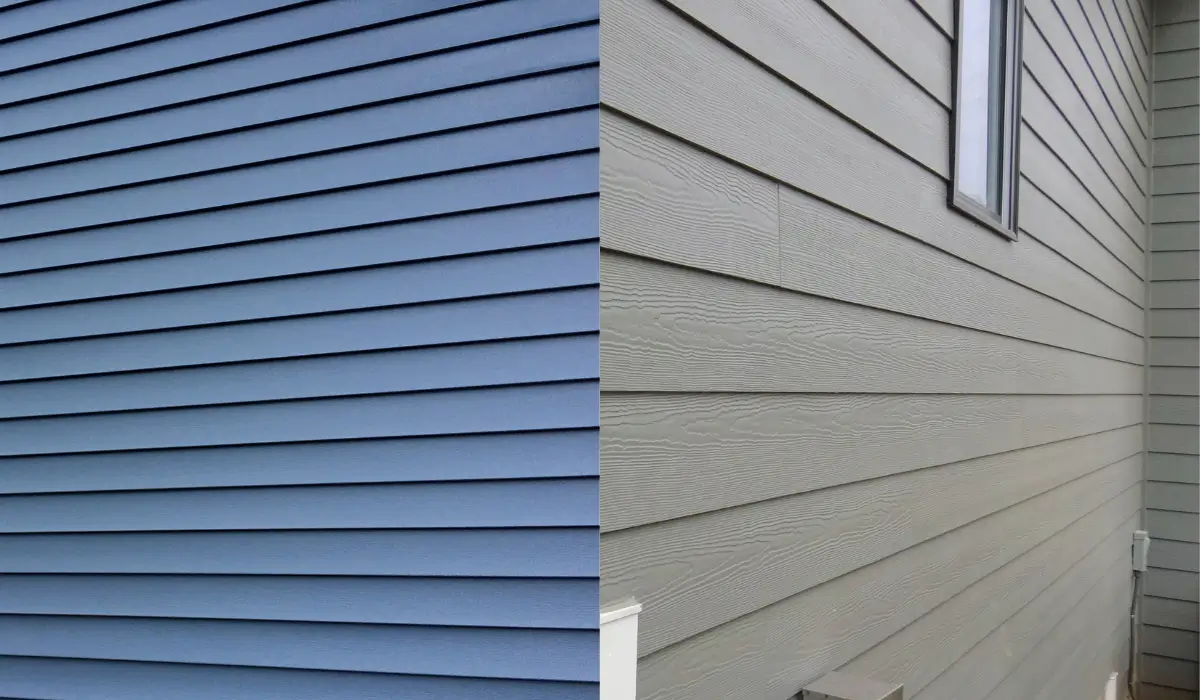





Vinyl vs. Fiber Cement Siding comes down to budget, durability, and how each material performs through Illinois weather. Freeze-thaw cycles, wind exposure, and moisture all affect long-term results.
Vinyl is cost-effective, fiber cement offers stronger protection, and LP SmartSide provides a balanced option with impact resistance and a wood-style finish.
Ready to upgrade your siding this spring? Illinois weather demands siding that can take a beating — and look good doing it. Here’s how vinyl, fiber cement, and engineered wood compare for spring installs.
For homeowners comparing materials, Top Quality Roofing & Siding helps simplify the decision with local experience and a quality-first approach.
Short on time? The comparison below quickly shows what fits your home and budget.
Quick Comparison: Vinyl vs. Fiber Cement vs. Engineered Wood
Each siding type solves a different problem, especially in Illinois conditions. The right choice depends on your home’s exposure, your budget, and how long you plan to stay in the home.
When comparing vinyl vs. fiber cement siding, many homeowners focus only on cost, but performance in changing weather conditions often matters more over time.
Material selection affects not just appearance but how well your exterior holds up through storms and seasonal changes.
Material | Pros | Cons |
Vinyl (PlyGem) | Budget-friendly, fast install | May crack in extreme cold |
Fiber Cement (James Hardie) | Fire-resistant, durable | Higher cost, heavier |
Engineered Wood (LP SmartSide) | Wood look, strong impact resistance | Requires maintenance over time |
Real-world performance in Illinois
Illinois homes deal with constant freeze-thaw cycles. Materials expand during the day and contract at night, which creates stress over time.
Vinyl can become brittle in extreme cold, making it more likely to crack under impact. Fiber cement stays more stable, while LP SmartSide handles impact better in many storm-prone areas.
Key insight: Fiber cement resists movement, LP SmartSide absorbs impact, and vinyl performs best when conditions are moderate and installation is precise.
Manufacturer durability and warranties
James Hardie siding is non-combustible and designed for long-term performance in harsh climates. It also includes strong warranty coverage for structural reliability.
LP SmartSide uses treated engineered wood designed to resist moisture, fungal decay, and impact damage. Its warranty structure reflects long-term durability expectations.
For homeowners deciding between these materials, our professional siding installation services evaluate wall condition, exposure, and long-term performance before recommending an option.
When each option works best
Vinyl is usually the go-to for homeowners who want to keep costs down and get the project done quickly. It’s a practical choice for many homes, especially when budget is the main concern.
James Hardie siding makes more sense when your home takes a lot of wind or weather exposure. If durability and long-term performance matter most, this is often the safer option.
LP SmartSide IL works well for homeowners who like the look of wood but want something that can handle impact better. It’s a solid middle-ground when you want both style and strength.
When each option may not fit
Vinyl might not be the best choice if your home gets hit with frequent hail or debris. In those cases, it can crack or loosen more easily over time.
Fiber cement may not make sense if you’re working with a tight budget or your home needs a lot of prep work before installation. The added labor and material cost can add up quickly.
LP SmartSide can be a great option, but it may not be ideal if you want something that requires very little upkeep. It usually needs a bit more attention over time compared to vinyl.
Spring Siding Projects: What to Expect in IL
Spring offers some of the best conditions for siding installation in Illinois. Temperatures are moderate, and materials respond more predictably during installation.
This reduces the risk of expansion issues and helps ensure a more consistent final result.
Milder temperatures help proper expansion and contraction
Faster permits and scheduling in April and May
Rain may delay work, so plan a 2-week window
Spring installs improve energy efficiency before summer
Why timing matters
Siding expands and contracts with temperature changes. Poor installation during extreme conditions can lead to stress points and long-term failure.
Spring allows crews to install materials under stable conditions, which improves durability.
Moisture also plays a role. Spring often reveals hidden wall damage that should be repaired before siding is installed.
This guide on winter siding replacement benefits explains when off-season installation may still work.
At this point, many homeowners comparing Vinyl vs. Fiber Cement Siding realize timing plays a major role in how well the material performs after installation.
An accurate siding cost calculator helps plan the project more clearly.
Which Siding Works Best for Your Home Style?
Choosing siding is not just about performance. It also needs to match your home’s design and exposure.
Modern builds: Hardie or SmartSide
Classic homes: vinyl siding trims and accessories
Windy zones: fiber cement holds stronger in storms
James Hardie siding works well on homes with wide exposure where wind pressure is stronger.
LP SmartSide IL is often used where impact resistance matters and homeowners want a natural wood look.
PlyGem vinyl siding works well on many traditional homes where cost and appearance need to stay balanced.
Maintenance expectations
Vinyl is one of the easiest options to take care of. It usually just needs occasional cleaning and a quick check for any loose panels or damage.
Fiber cement is more durable, but it may need repainting or touch-ups over time to keep it looking its best.
Engineered wood should be checked around seams and edges, especially in areas where moisture tends to build up. Catching small issues early helps prevent bigger problems later.
This winter siding maintenance guide explains what to monitor after seasonal changes.
Many homeowners combine siding upgrades with roofing and gutters. Our complete roofing services and seamless gutter system solutions help protect the full exterior system.
Cost, Longevity, and Curb Appeal Factors
Cost is not just about the material price. It also includes labor, preparation, trim work, and how long the siding will last.
A lower upfront cost can lead to higher repair costs later if the material or installation does not hold up well.
Budget ranges
Vinyl siding is usually the most affordable option and tends to go up quickly, which helps keep labor costs down. It’s often the starting point for homeowners working within a tighter budget.
James Hardie siding costs more, mainly because the material is heavier and takes more time and precision to install. That added labor is where a big part of the price difference comes from.
LP SmartSide typically falls somewhere in the middle. The final cost depends on the style, finish, and trim details you choose, but it often strikes a good balance between price and performance.
Real-world scenario
We recently replaced vinyl siding on a home in DuPage County that cracked after repeated freeze cycles and minor hail. The homeowner initially chose the lowest bid.
The replacement used fiber cement on exposed walls and LP SmartSide on sheltered areas. This balanced durability and cost while improving curb appeal.
Long-term performance
As a family-owned company based in Warrenville, we’ve served over 900 homes across DuPage, Kane, Kendall, and Will counties.
One pattern is consistent. Lower-cost installs often lead to earlier repairs, while quality-first installs last significantly longer.
Resale and curb appeal
The siding you choose can make a big difference in how your home looks from the street. A clean, well-installed exterior often gives buyers more confidence before they even step inside.
Upgrading to higher-quality siding can also help your home stand out in a competitive market. This guide on boosting home resale value explains how exterior improvements can impact long-term returns.
You can also take a look at our recent exterior project gallery to see how different siding options look on real homes.
Mid-article clarity
At this point, most homeowners realize the decision is not only about material. It is about how that material performs on their specific home.
Exposure, wall condition, and installation quality all play a role in long-term results.
A siding contractor IL evaluation helps identify these factors early.
Working with experienced home siding contractors IL ensures you understand trade-offs before committing.
Compare LP, James Hardie & PlyGem with an IL siding contractor
Choosing between materials becomes easier when you compare performance, cost, and maintenance side by side.
The Compare Siding Brands step works best through a siding brand comparison based on your home’s real conditions.
Planning ahead for Spring Siding Installation IL projects helps avoid delays. A spring siding installation plan gives you a clear timeline.
Quick Decision Summary
Choose vinyl for budget-friendly, fast installs
Choose fiber cement for durability and storm resistance
Choose LP SmartSide for impact resistance and wood-style look
Strong recommendation: In high-wind or exposed Illinois areas, fiber cement or LP SmartSide usually outperforms vinyl long term.
Choose the Right Siding for Your Illinois Home
Choosing siding is about long-term performance, not just appearance. Illinois homes need materials that can handle seasonal movement, moisture, and storms without failing early.
A clear plan helps avoid costly mistakes and ensures the siding performs as expected over time.
You have two options from here:
Continue comparing materials on your own
Get a clear recommendation based on your home’s actual conditions
If you want a structured next step, you can also start a local siding consultation call to talk through your options.
Compare Siding Brands | Book Estimate | Spring Siding Installation IL No pressure. Just practical guidance from a team that focuses on doing the job right the first time. |
Vinyl vs. Fiber Cement Siding comes down to budget, durability, and how each material performs through Illinois weather. Freeze-thaw cycles, wind exposure, and moisture all affect long-term results.
Vinyl is cost-effective, fiber cement offers stronger protection, and LP SmartSide provides a balanced option with impact resistance and a wood-style finish.
Ready to upgrade your siding this spring? Illinois weather demands siding that can take a beating — and look good doing it. Here’s how vinyl, fiber cement, and engineered wood compare for spring installs.
For homeowners comparing materials, Top Quality Roofing & Siding helps simplify the decision with local experience and a quality-first approach.
Short on time? The comparison below quickly shows what fits your home and budget.
Quick Comparison: Vinyl vs. Fiber Cement vs. Engineered Wood
Each siding type solves a different problem, especially in Illinois conditions. The right choice depends on your home’s exposure, your budget, and how long you plan to stay in the home.
When comparing vinyl vs. fiber cement siding, many homeowners focus only on cost, but performance in changing weather conditions often matters more over time.
Material selection affects not just appearance but how well your exterior holds up through storms and seasonal changes.
Material | Pros | Cons |
Vinyl (PlyGem) | Budget-friendly, fast install | May crack in extreme cold |
Fiber Cement (James Hardie) | Fire-resistant, durable | Higher cost, heavier |
Engineered Wood (LP SmartSide) | Wood look, strong impact resistance | Requires maintenance over time |
Real-world performance in Illinois
Illinois homes deal with constant freeze-thaw cycles. Materials expand during the day and contract at night, which creates stress over time.
Vinyl can become brittle in extreme cold, making it more likely to crack under impact. Fiber cement stays more stable, while LP SmartSide handles impact better in many storm-prone areas.
Key insight: Fiber cement resists movement, LP SmartSide absorbs impact, and vinyl performs best when conditions are moderate and installation is precise.
Manufacturer durability and warranties
James Hardie siding is non-combustible and designed for long-term performance in harsh climates. It also includes strong warranty coverage for structural reliability.
LP SmartSide uses treated engineered wood designed to resist moisture, fungal decay, and impact damage. Its warranty structure reflects long-term durability expectations.
For homeowners deciding between these materials, our professional siding installation services evaluate wall condition, exposure, and long-term performance before recommending an option.
When each option works best
Vinyl is usually the go-to for homeowners who want to keep costs down and get the project done quickly. It’s a practical choice for many homes, especially when budget is the main concern.
James Hardie siding makes more sense when your home takes a lot of wind or weather exposure. If durability and long-term performance matter most, this is often the safer option.
LP SmartSide IL works well for homeowners who like the look of wood but want something that can handle impact better. It’s a solid middle-ground when you want both style and strength.
When each option may not fit
Vinyl might not be the best choice if your home gets hit with frequent hail or debris. In those cases, it can crack or loosen more easily over time.
Fiber cement may not make sense if you’re working with a tight budget or your home needs a lot of prep work before installation. The added labor and material cost can add up quickly.
LP SmartSide can be a great option, but it may not be ideal if you want something that requires very little upkeep. It usually needs a bit more attention over time compared to vinyl.
Spring Siding Projects: What to Expect in IL
Spring offers some of the best conditions for siding installation in Illinois. Temperatures are moderate, and materials respond more predictably during installation.
This reduces the risk of expansion issues and helps ensure a more consistent final result.
Milder temperatures help proper expansion and contraction
Faster permits and scheduling in April and May
Rain may delay work, so plan a 2-week window
Spring installs improve energy efficiency before summer
Why timing matters
Siding expands and contracts with temperature changes. Poor installation during extreme conditions can lead to stress points and long-term failure.
Spring allows crews to install materials under stable conditions, which improves durability.
Moisture also plays a role. Spring often reveals hidden wall damage that should be repaired before siding is installed.
This guide on winter siding replacement benefits explains when off-season installation may still work.
At this point, many homeowners comparing Vinyl vs. Fiber Cement Siding realize timing plays a major role in how well the material performs after installation.
An accurate siding cost calculator helps plan the project more clearly.
Which Siding Works Best for Your Home Style?
Choosing siding is not just about performance. It also needs to match your home’s design and exposure.
Modern builds: Hardie or SmartSide
Classic homes: vinyl siding trims and accessories
Windy zones: fiber cement holds stronger in storms
James Hardie siding works well on homes with wide exposure where wind pressure is stronger.
LP SmartSide IL is often used where impact resistance matters and homeowners want a natural wood look.
PlyGem vinyl siding works well on many traditional homes where cost and appearance need to stay balanced.
Maintenance expectations
Vinyl is one of the easiest options to take care of. It usually just needs occasional cleaning and a quick check for any loose panels or damage.
Fiber cement is more durable, but it may need repainting or touch-ups over time to keep it looking its best.
Engineered wood should be checked around seams and edges, especially in areas where moisture tends to build up. Catching small issues early helps prevent bigger problems later.
This winter siding maintenance guide explains what to monitor after seasonal changes.
Many homeowners combine siding upgrades with roofing and gutters. Our complete roofing services and seamless gutter system solutions help protect the full exterior system.
Cost, Longevity, and Curb Appeal Factors
Cost is not just about the material price. It also includes labor, preparation, trim work, and how long the siding will last.
A lower upfront cost can lead to higher repair costs later if the material or installation does not hold up well.
Budget ranges
Vinyl siding is usually the most affordable option and tends to go up quickly, which helps keep labor costs down. It’s often the starting point for homeowners working within a tighter budget.
James Hardie siding costs more, mainly because the material is heavier and takes more time and precision to install. That added labor is where a big part of the price difference comes from.
LP SmartSide typically falls somewhere in the middle. The final cost depends on the style, finish, and trim details you choose, but it often strikes a good balance between price and performance.
Real-world scenario
We recently replaced vinyl siding on a home in DuPage County that cracked after repeated freeze cycles and minor hail. The homeowner initially chose the lowest bid.
The replacement used fiber cement on exposed walls and LP SmartSide on sheltered areas. This balanced durability and cost while improving curb appeal.
Long-term performance
As a family-owned company based in Warrenville, we’ve served over 900 homes across DuPage, Kane, Kendall, and Will counties.
One pattern is consistent. Lower-cost installs often lead to earlier repairs, while quality-first installs last significantly longer.
Resale and curb appeal
The siding you choose can make a big difference in how your home looks from the street. A clean, well-installed exterior often gives buyers more confidence before they even step inside.
Upgrading to higher-quality siding can also help your home stand out in a competitive market. This guide on boosting home resale value explains how exterior improvements can impact long-term returns.
You can also take a look at our recent exterior project gallery to see how different siding options look on real homes.
Mid-article clarity
At this point, most homeowners realize the decision is not only about material. It is about how that material performs on their specific home.
Exposure, wall condition, and installation quality all play a role in long-term results.
A siding contractor IL evaluation helps identify these factors early.
Working with experienced home siding contractors IL ensures you understand trade-offs before committing.
Compare LP, James Hardie & PlyGem with an IL siding contractor
Choosing between materials becomes easier when you compare performance, cost, and maintenance side by side.
The Compare Siding Brands step works best through a siding brand comparison based on your home’s real conditions.
Planning ahead for Spring Siding Installation IL projects helps avoid delays. A spring siding installation plan gives you a clear timeline.
Quick Decision Summary
Choose vinyl for budget-friendly, fast installs
Choose fiber cement for durability and storm resistance
Choose LP SmartSide for impact resistance and wood-style look
Strong recommendation: In high-wind or exposed Illinois areas, fiber cement or LP SmartSide usually outperforms vinyl long term.
Choose the Right Siding for Your Illinois Home
Choosing siding is about long-term performance, not just appearance. Illinois homes need materials that can handle seasonal movement, moisture, and storms without failing early.
A clear plan helps avoid costly mistakes and ensures the siding performs as expected over time.
You have two options from here:
Continue comparing materials on your own
Get a clear recommendation based on your home’s actual conditions
If you want a structured next step, you can also start a local siding consultation call to talk through your options.
Compare Siding Brands | Book Estimate | Spring Siding Installation IL No pressure. Just practical guidance from a team that focuses on doing the job right the first time. |
Vinyl vs. Fiber Cement Siding comes down to budget, durability, and how each material performs through Illinois weather. Freeze-thaw cycles, wind exposure, and moisture all affect long-term results.
Vinyl is cost-effective, fiber cement offers stronger protection, and LP SmartSide provides a balanced option with impact resistance and a wood-style finish.
Ready to upgrade your siding this spring? Illinois weather demands siding that can take a beating — and look good doing it. Here’s how vinyl, fiber cement, and engineered wood compare for spring installs.
For homeowners comparing materials, Top Quality Roofing & Siding helps simplify the decision with local experience and a quality-first approach.
Short on time? The comparison below quickly shows what fits your home and budget.
Quick Comparison: Vinyl vs. Fiber Cement vs. Engineered Wood
Each siding type solves a different problem, especially in Illinois conditions. The right choice depends on your home’s exposure, your budget, and how long you plan to stay in the home.
When comparing vinyl vs. fiber cement siding, many homeowners focus only on cost, but performance in changing weather conditions often matters more over time.
Material selection affects not just appearance but how well your exterior holds up through storms and seasonal changes.
Material | Pros | Cons |
Vinyl (PlyGem) | Budget-friendly, fast install | May crack in extreme cold |
Fiber Cement (James Hardie) | Fire-resistant, durable | Higher cost, heavier |
Engineered Wood (LP SmartSide) | Wood look, strong impact resistance | Requires maintenance over time |
Real-world performance in Illinois
Illinois homes deal with constant freeze-thaw cycles. Materials expand during the day and contract at night, which creates stress over time.
Vinyl can become brittle in extreme cold, making it more likely to crack under impact. Fiber cement stays more stable, while LP SmartSide handles impact better in many storm-prone areas.
Key insight: Fiber cement resists movement, LP SmartSide absorbs impact, and vinyl performs best when conditions are moderate and installation is precise.
Manufacturer durability and warranties
James Hardie siding is non-combustible and designed for long-term performance in harsh climates. It also includes strong warranty coverage for structural reliability.
LP SmartSide uses treated engineered wood designed to resist moisture, fungal decay, and impact damage. Its warranty structure reflects long-term durability expectations.
For homeowners deciding between these materials, our professional siding installation services evaluate wall condition, exposure, and long-term performance before recommending an option.
When each option works best
Vinyl is usually the go-to for homeowners who want to keep costs down and get the project done quickly. It’s a practical choice for many homes, especially when budget is the main concern.
James Hardie siding makes more sense when your home takes a lot of wind or weather exposure. If durability and long-term performance matter most, this is often the safer option.
LP SmartSide IL works well for homeowners who like the look of wood but want something that can handle impact better. It’s a solid middle-ground when you want both style and strength.
When each option may not fit
Vinyl might not be the best choice if your home gets hit with frequent hail or debris. In those cases, it can crack or loosen more easily over time.
Fiber cement may not make sense if you’re working with a tight budget or your home needs a lot of prep work before installation. The added labor and material cost can add up quickly.
LP SmartSide can be a great option, but it may not be ideal if you want something that requires very little upkeep. It usually needs a bit more attention over time compared to vinyl.
Spring Siding Projects: What to Expect in IL
Spring offers some of the best conditions for siding installation in Illinois. Temperatures are moderate, and materials respond more predictably during installation.
This reduces the risk of expansion issues and helps ensure a more consistent final result.
Milder temperatures help proper expansion and contraction
Faster permits and scheduling in April and May
Rain may delay work, so plan a 2-week window
Spring installs improve energy efficiency before summer
Why timing matters
Siding expands and contracts with temperature changes. Poor installation during extreme conditions can lead to stress points and long-term failure.
Spring allows crews to install materials under stable conditions, which improves durability.
Moisture also plays a role. Spring often reveals hidden wall damage that should be repaired before siding is installed.
This guide on winter siding replacement benefits explains when off-season installation may still work.
At this point, many homeowners comparing Vinyl vs. Fiber Cement Siding realize timing plays a major role in how well the material performs after installation.
An accurate siding cost calculator helps plan the project more clearly.
Which Siding Works Best for Your Home Style?
Choosing siding is not just about performance. It also needs to match your home’s design and exposure.
Modern builds: Hardie or SmartSide
Classic homes: vinyl siding trims and accessories
Windy zones: fiber cement holds stronger in storms
James Hardie siding works well on homes with wide exposure where wind pressure is stronger.
LP SmartSide IL is often used where impact resistance matters and homeowners want a natural wood look.
PlyGem vinyl siding works well on many traditional homes where cost and appearance need to stay balanced.
Maintenance expectations
Vinyl is one of the easiest options to take care of. It usually just needs occasional cleaning and a quick check for any loose panels or damage.
Fiber cement is more durable, but it may need repainting or touch-ups over time to keep it looking its best.
Engineered wood should be checked around seams and edges, especially in areas where moisture tends to build up. Catching small issues early helps prevent bigger problems later.
This winter siding maintenance guide explains what to monitor after seasonal changes.
Many homeowners combine siding upgrades with roofing and gutters. Our complete roofing services and seamless gutter system solutions help protect the full exterior system.
Cost, Longevity, and Curb Appeal Factors
Cost is not just about the material price. It also includes labor, preparation, trim work, and how long the siding will last.
A lower upfront cost can lead to higher repair costs later if the material or installation does not hold up well.
Budget ranges
Vinyl siding is usually the most affordable option and tends to go up quickly, which helps keep labor costs down. It’s often the starting point for homeowners working within a tighter budget.
James Hardie siding costs more, mainly because the material is heavier and takes more time and precision to install. That added labor is where a big part of the price difference comes from.
LP SmartSide typically falls somewhere in the middle. The final cost depends on the style, finish, and trim details you choose, but it often strikes a good balance between price and performance.
Real-world scenario
We recently replaced vinyl siding on a home in DuPage County that cracked after repeated freeze cycles and minor hail. The homeowner initially chose the lowest bid.
The replacement used fiber cement on exposed walls and LP SmartSide on sheltered areas. This balanced durability and cost while improving curb appeal.
Long-term performance
As a family-owned company based in Warrenville, we’ve served over 900 homes across DuPage, Kane, Kendall, and Will counties.
One pattern is consistent. Lower-cost installs often lead to earlier repairs, while quality-first installs last significantly longer.
Resale and curb appeal
The siding you choose can make a big difference in how your home looks from the street. A clean, well-installed exterior often gives buyers more confidence before they even step inside.
Upgrading to higher-quality siding can also help your home stand out in a competitive market. This guide on boosting home resale value explains how exterior improvements can impact long-term returns.
You can also take a look at our recent exterior project gallery to see how different siding options look on real homes.
Mid-article clarity
At this point, most homeowners realize the decision is not only about material. It is about how that material performs on their specific home.
Exposure, wall condition, and installation quality all play a role in long-term results.
A siding contractor IL evaluation helps identify these factors early.
Working with experienced home siding contractors IL ensures you understand trade-offs before committing.
Compare LP, James Hardie & PlyGem with an IL siding contractor
Choosing between materials becomes easier when you compare performance, cost, and maintenance side by side.
The Compare Siding Brands step works best through a siding brand comparison based on your home’s real conditions.
Planning ahead for Spring Siding Installation IL projects helps avoid delays. A spring siding installation plan gives you a clear timeline.
Quick Decision Summary
Choose vinyl for budget-friendly, fast installs
Choose fiber cement for durability and storm resistance
Choose LP SmartSide for impact resistance and wood-style look
Strong recommendation: In high-wind or exposed Illinois areas, fiber cement or LP SmartSide usually outperforms vinyl long term.
Choose the Right Siding for Your Illinois Home
Choosing siding is about long-term performance, not just appearance. Illinois homes need materials that can handle seasonal movement, moisture, and storms without failing early.
A clear plan helps avoid costly mistakes and ensures the siding performs as expected over time.
You have two options from here:
Continue comparing materials on your own
Get a clear recommendation based on your home’s actual conditions
If you want a structured next step, you can also start a local siding consultation call to talk through your options.
Compare Siding Brands | Book Estimate | Spring Siding Installation IL No pressure. Just practical guidance from a team that focuses on doing the job right the first time. |
Vinyl vs. Fiber Cement Siding comes down to budget, durability, and how each material performs through Illinois weather. Freeze-thaw cycles, wind exposure, and moisture all affect long-term results.
Vinyl is cost-effective, fiber cement offers stronger protection, and LP SmartSide provides a balanced option with impact resistance and a wood-style finish.
Ready to upgrade your siding this spring? Illinois weather demands siding that can take a beating — and look good doing it. Here’s how vinyl, fiber cement, and engineered wood compare for spring installs.
For homeowners comparing materials, Top Quality Roofing & Siding helps simplify the decision with local experience and a quality-first approach.
Short on time? The comparison below quickly shows what fits your home and budget.
Quick Comparison: Vinyl vs. Fiber Cement vs. Engineered Wood
Each siding type solves a different problem, especially in Illinois conditions. The right choice depends on your home’s exposure, your budget, and how long you plan to stay in the home.
When comparing vinyl vs. fiber cement siding, many homeowners focus only on cost, but performance in changing weather conditions often matters more over time.
Material selection affects not just appearance but how well your exterior holds up through storms and seasonal changes.
Material | Pros | Cons |
Vinyl (PlyGem) | Budget-friendly, fast install | May crack in extreme cold |
Fiber Cement (James Hardie) | Fire-resistant, durable | Higher cost, heavier |
Engineered Wood (LP SmartSide) | Wood look, strong impact resistance | Requires maintenance over time |
Real-world performance in Illinois
Illinois homes deal with constant freeze-thaw cycles. Materials expand during the day and contract at night, which creates stress over time.
Vinyl can become brittle in extreme cold, making it more likely to crack under impact. Fiber cement stays more stable, while LP SmartSide handles impact better in many storm-prone areas.
Key insight: Fiber cement resists movement, LP SmartSide absorbs impact, and vinyl performs best when conditions are moderate and installation is precise.
Manufacturer durability and warranties
James Hardie siding is non-combustible and designed for long-term performance in harsh climates. It also includes strong warranty coverage for structural reliability.
LP SmartSide uses treated engineered wood designed to resist moisture, fungal decay, and impact damage. Its warranty structure reflects long-term durability expectations.
For homeowners deciding between these materials, our professional siding installation services evaluate wall condition, exposure, and long-term performance before recommending an option.
When each option works best
Vinyl is usually the go-to for homeowners who want to keep costs down and get the project done quickly. It’s a practical choice for many homes, especially when budget is the main concern.
James Hardie siding makes more sense when your home takes a lot of wind or weather exposure. If durability and long-term performance matter most, this is often the safer option.
LP SmartSide IL works well for homeowners who like the look of wood but want something that can handle impact better. It’s a solid middle-ground when you want both style and strength.
When each option may not fit
Vinyl might not be the best choice if your home gets hit with frequent hail or debris. In those cases, it can crack or loosen more easily over time.
Fiber cement may not make sense if you’re working with a tight budget or your home needs a lot of prep work before installation. The added labor and material cost can add up quickly.
LP SmartSide can be a great option, but it may not be ideal if you want something that requires very little upkeep. It usually needs a bit more attention over time compared to vinyl.
Spring Siding Projects: What to Expect in IL
Spring offers some of the best conditions for siding installation in Illinois. Temperatures are moderate, and materials respond more predictably during installation.
This reduces the risk of expansion issues and helps ensure a more consistent final result.
Milder temperatures help proper expansion and contraction
Faster permits and scheduling in April and May
Rain may delay work, so plan a 2-week window
Spring installs improve energy efficiency before summer
Why timing matters
Siding expands and contracts with temperature changes. Poor installation during extreme conditions can lead to stress points and long-term failure.
Spring allows crews to install materials under stable conditions, which improves durability.
Moisture also plays a role. Spring often reveals hidden wall damage that should be repaired before siding is installed.
This guide on winter siding replacement benefits explains when off-season installation may still work.
At this point, many homeowners comparing Vinyl vs. Fiber Cement Siding realize timing plays a major role in how well the material performs after installation.
An accurate siding cost calculator helps plan the project more clearly.
Which Siding Works Best for Your Home Style?
Choosing siding is not just about performance. It also needs to match your home’s design and exposure.
Modern builds: Hardie or SmartSide
Classic homes: vinyl siding trims and accessories
Windy zones: fiber cement holds stronger in storms
James Hardie siding works well on homes with wide exposure where wind pressure is stronger.
LP SmartSide IL is often used where impact resistance matters and homeowners want a natural wood look.
PlyGem vinyl siding works well on many traditional homes where cost and appearance need to stay balanced.
Maintenance expectations
Vinyl is one of the easiest options to take care of. It usually just needs occasional cleaning and a quick check for any loose panels or damage.
Fiber cement is more durable, but it may need repainting or touch-ups over time to keep it looking its best.
Engineered wood should be checked around seams and edges, especially in areas where moisture tends to build up. Catching small issues early helps prevent bigger problems later.
This winter siding maintenance guide explains what to monitor after seasonal changes.
Many homeowners combine siding upgrades with roofing and gutters. Our complete roofing services and seamless gutter system solutions help protect the full exterior system.
Cost, Longevity, and Curb Appeal Factors
Cost is not just about the material price. It also includes labor, preparation, trim work, and how long the siding will last.
A lower upfront cost can lead to higher repair costs later if the material or installation does not hold up well.
Budget ranges
Vinyl siding is usually the most affordable option and tends to go up quickly, which helps keep labor costs down. It’s often the starting point for homeowners working within a tighter budget.
James Hardie siding costs more, mainly because the material is heavier and takes more time and precision to install. That added labor is where a big part of the price difference comes from.
LP SmartSide typically falls somewhere in the middle. The final cost depends on the style, finish, and trim details you choose, but it often strikes a good balance between price and performance.
Real-world scenario
We recently replaced vinyl siding on a home in DuPage County that cracked after repeated freeze cycles and minor hail. The homeowner initially chose the lowest bid.
The replacement used fiber cement on exposed walls and LP SmartSide on sheltered areas. This balanced durability and cost while improving curb appeal.
Long-term performance
As a family-owned company based in Warrenville, we’ve served over 900 homes across DuPage, Kane, Kendall, and Will counties.
One pattern is consistent. Lower-cost installs often lead to earlier repairs, while quality-first installs last significantly longer.
Resale and curb appeal
The siding you choose can make a big difference in how your home looks from the street. A clean, well-installed exterior often gives buyers more confidence before they even step inside.
Upgrading to higher-quality siding can also help your home stand out in a competitive market. This guide on boosting home resale value explains how exterior improvements can impact long-term returns.
You can also take a look at our recent exterior project gallery to see how different siding options look on real homes.
Mid-article clarity
At this point, most homeowners realize the decision is not only about material. It is about how that material performs on their specific home.
Exposure, wall condition, and installation quality all play a role in long-term results.
A siding contractor IL evaluation helps identify these factors early.
Working with experienced home siding contractors IL ensures you understand trade-offs before committing.
Compare LP, James Hardie & PlyGem with an IL siding contractor
Choosing between materials becomes easier when you compare performance, cost, and maintenance side by side.
The Compare Siding Brands step works best through a siding brand comparison based on your home’s real conditions.
Planning ahead for Spring Siding Installation IL projects helps avoid delays. A spring siding installation plan gives you a clear timeline.
Quick Decision Summary
Choose vinyl for budget-friendly, fast installs
Choose fiber cement for durability and storm resistance
Choose LP SmartSide for impact resistance and wood-style look
Strong recommendation: In high-wind or exposed Illinois areas, fiber cement or LP SmartSide usually outperforms vinyl long term.
Choose the Right Siding for Your Illinois Home
Choosing siding is about long-term performance, not just appearance. Illinois homes need materials that can handle seasonal movement, moisture, and storms without failing early.
A clear plan helps avoid costly mistakes and ensures the siding performs as expected over time.
You have two options from here:
Continue comparing materials on your own
Get a clear recommendation based on your home’s actual conditions
If you want a structured next step, you can also start a local siding consultation call to talk through your options.
Compare Siding Brands | Book Estimate | Spring Siding Installation IL No pressure. Just practical guidance from a team that focuses on doing the job right the first time. |


Pricing & financing



Copyright © 2025 Top Quality Roofing and Siding
Pricing & financing
Copyright © 2025 Top Quality Roofing and Siding
Pricing & financing

Copyright © 2025 Top Quality Roofing and Siding