
Free Estimates on New Roof, Siding, Gutter Replacements


Free Estimates on New Roof, Siding, Gutter Replacements
(630) 520-0576
Mon - Sat: 8am to 8pm

Top 5 Roofing Issues to Handle Before Winter in IL
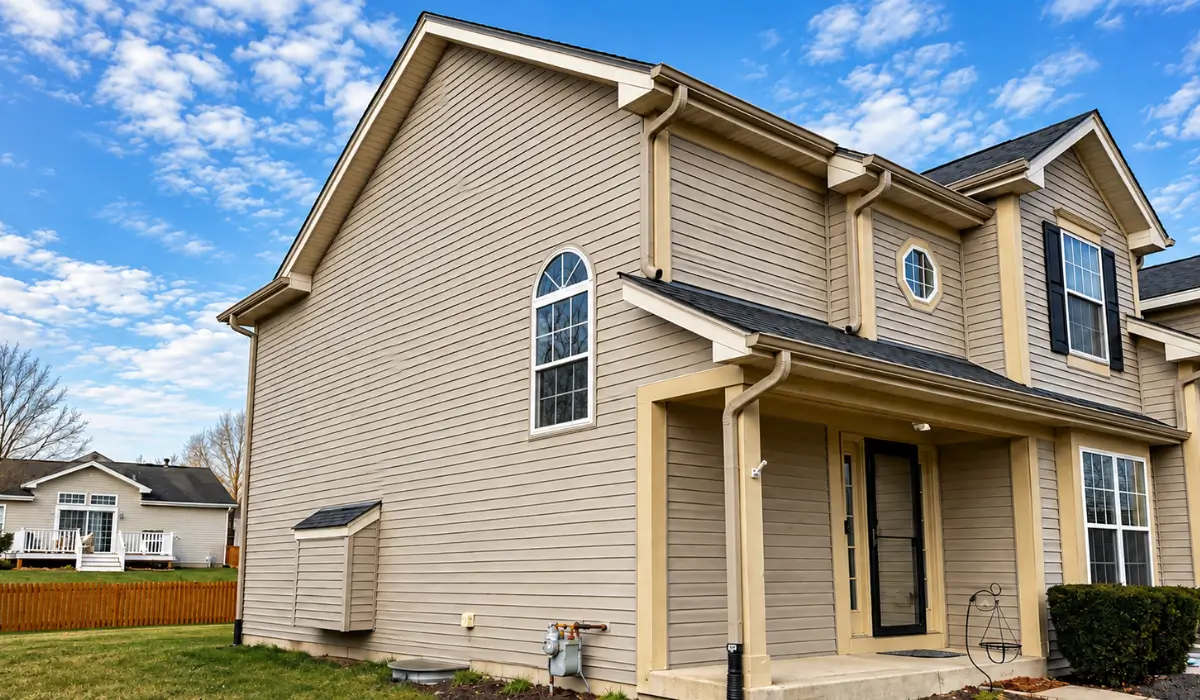










Illinois winters can turn small roofing issues into harder problems to handle. Loose flashing, poor attic insulation, clogged gutters, and minor leaks are easier to address before snow, ice, and freezing temperatures make roof conditions more difficult.
Top Quality Roofing & Siding helps Illinois homeowners prepare their roofs and exterior systems for seasonal weather. A fall check can identify problems that deserve attention now and separate them from routine maintenance that can safely wait.
Why Fall Is a Good Time to Handle Roofing Issues
Cold weather does not create every roof problem, but it can expose weaknesses that are already developing. Damaged materials, poor drainage, openings around roof penetrations, and existing moisture may become more noticeable as the roof handles rain, snow, ice, and changing temperatures.
Some roofing work can also become more difficult once snow covers the roof or temperatures remain low. Good fall roof maintenance in IL considers flashing, gutters, attic conditions, drainage, and signs of moisture.
If your roof already has significant wear or damage, fall roof replacement timing can help you consider whether the work should happen before winter or can reasonably wait.
Roofing Problem #1: Loose or Damaged Flashing
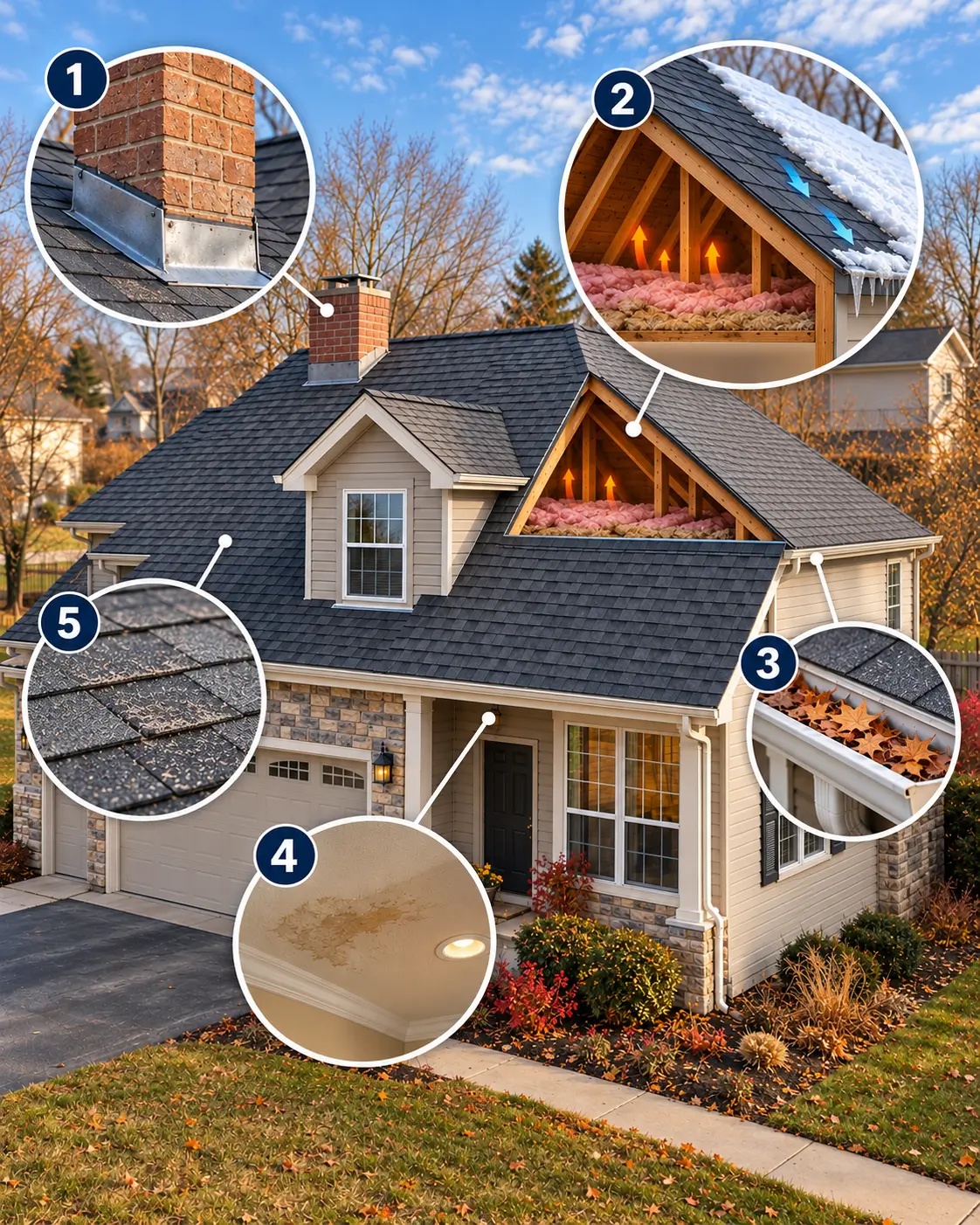
Flashing protects areas where the roof meets chimneys, vents, walls, and other penetrations. Loose, damaged, or poorly sealed flashing may allow water beneath surrounding roofing materials.
Snowmelt can make these weak areas easier to notice. A stain near a chimney or vent does not prove flashing has failed, but it is a reason to investigate the surrounding area.
Warning signs may include:
Visible gaps around roof penetrations
Loose or damaged flashing
Cracked or deteriorated sealant
Water stains near chimneys or vents
Damp areas after rain or melting snow
Water does not always appear directly below where it enters, so tracing a leak from inside can be difficult. These roofing issues may look minor indoors even when the source needs attention. Our roof repair and replacement services can help determine whether the problem is localized or involves a larger part of the roofing system.
Roofing Problem #2: Poor Attic Insulation
Attic conditions can affect how a roof behaves in winter. Escaping indoor heat may warm parts of the roof, causing snow to melt and move toward colder edges where it can refreeze. Sealing air leaks and adding insulation can help reduce unwanted heat flow into areas such as the attic.
This process can contribute to ice dams. The University of Minnesota Extension explains how heat loss contributes to ice dams, but poor attic insulation is not the only possible factor. Air leakage, ventilation, roof design, snow cover, and outdoor temperatures can also affect ice formation.
Uneven snowmelt or repeated ice near the eaves may deserve investigation, but neither identifies the cause by itself. Ice dam damage on Illinois roofs can also help homeowners understand the visible problem. The important distinction is between a symptom and its cause.
Roofing Problem #3: Clogged Gutters Before Leaf Season Ends
Gutters need a clear path to move rain and snowmelt away from the roof edge. Leaves and debris can block that path, causing water to overflow or remain in parts of the system.
Once temperatures fall, trapped water can freeze. Poor drainage may also keep moisture around fascia, siding, and roof edges, so winter roofing prep should include more than the roof surface.
Top Quality Pre-Winter Roof Check
You do not need to climb onto the roof to look for basic warning signs. From a safe location on the ground or inside the home, look for:
Roof components that appear loose or damaged
Overflowing, loose, or sagging gutters
Unexplained ceiling or attic moisture
Visible deterioration around roof edges
Unusual snowmelt patterns once winter begins
These observations do not diagnose the cause. They identify areas that may deserve closer attention and can help separate drainage concerns from attic conditions, damaged roofing materials, or a combination of factors.
When damaged gutters contribute to poor drainage, seamless gutter replacement may restore a clearer path for water leaving the roof. We install seamless gutter systems for Illinois homeowners.
Roofing Problem #4: Minor Leaks You Have Been Ignoring
An occasional drip or small ceiling stain deserves attention because visible water may represent only part of the moisture path. Water can enter around flashing, damaged roofing, or penetrations and travel before appearing indoors.
Winter can make the source harder to identify. Moisture may involve an existing opening, melting snow, ice-related conditions, or another source requiring closer inspection.
If moisture has appeared indoors, winter roof leak costs in Illinois can help explain why the source and extent of the problem matter. Note where and when moisture appears and what weather occurred beforehand.
A stain that stops growing does not necessarily mean the underlying issue is gone. Addressing the source before winter is more useful than waiting until the situation requires emergency roof repair in IL.
Roofing Problem #5: Delaying Repairs Until After the First Snowfall
Waiting on a known repair can limit your options once winter arrives. Snow, ice, cold temperatures, and shorter periods of suitable weather may affect when certain roofing work can be performed.
That does not mean every fall concern requires immediate replacement. Roof age, material condition, leak history, damaged areas, and repair type all affect whether a localized repair or larger project makes sense.
Cost can also affect timing. The roofing cost calculator can provide an initial projected cost based on information about your home. We also offer flexible financing options for qualifying home improvement projects.
A sound roof does not need unnecessary work simply because winter is approaching, while a known defect deserves a closer look before weather makes the situation harder to manage. The condition of the roof should drive the decision.
Decide What Your Roof Needs Before Winter
Winter preparation should separate routine maintenance from problems that need attention sooner. Loose flashing, poor drainage, unexplained moisture, and attic concerns should be evaluated based on their condition rather than fear of the coming season.
Some warning signs can be spotted from the ground or inside the attic. Avoid climbing onto a steep, wet, snowy, or icy roof. When the cause is unclear, a professional assessment can help determine whether maintenance, repair, or a larger project is appropriate.
For homeowners looking for a roofing company in Naperville, the goal should be to understand the cause before deciding on the work. Top Quality Roofing & Siding serves Naperville and other Illinois communities with roofing, siding, and gutter solutions based on the property’s needs.
Prepare Your Illinois Roof for Colder Weather
The best time to address known roofing issues is before snow and ice make them harder to evaluate. That does not mean every concern requires a new roof. The goal is to understand the cause, the roof’s condition, and the work that makes sense for your home.
Top Quality Roofing & Siding has served Illinois homeowners since 2012. If you have noticed leaking, damaged flashing, drainage trouble, or another concern, request a roofing estimate. We can review the project details and help clarify the appropriate next step.
Illinois winters can turn small roofing issues into harder problems to handle. Loose flashing, poor attic insulation, clogged gutters, and minor leaks are easier to address before snow, ice, and freezing temperatures make roof conditions more difficult.
Top Quality Roofing & Siding helps Illinois homeowners prepare their roofs and exterior systems for seasonal weather. A fall check can identify problems that deserve attention now and separate them from routine maintenance that can safely wait.
Why Fall Is a Good Time to Handle Roofing Issues
Cold weather does not create every roof problem, but it can expose weaknesses that are already developing. Damaged materials, poor drainage, openings around roof penetrations, and existing moisture may become more noticeable as the roof handles rain, snow, ice, and changing temperatures.
Some roofing work can also become more difficult once snow covers the roof or temperatures remain low. Good fall roof maintenance in IL considers flashing, gutters, attic conditions, drainage, and signs of moisture.
If your roof already has significant wear or damage, fall roof replacement timing can help you consider whether the work should happen before winter or can reasonably wait.
Roofing Problem #1: Loose or Damaged Flashing
Flashing protects areas where the roof meets chimneys, vents, walls, and other penetrations. Loose, damaged, or poorly sealed flashing may allow water beneath surrounding roofing materials.
Snowmelt can make these weak areas easier to notice. A stain near a chimney or vent does not prove flashing has failed, but it is a reason to investigate the surrounding area.
Warning signs may include:
Visible gaps around roof penetrations
Loose or damaged flashing
Cracked or deteriorated sealant
Water stains near chimneys or vents
Damp areas after rain or melting snow
Water does not always appear directly below where it enters, so tracing a leak from inside can be difficult. These roofing issues may look minor indoors even when the source needs attention. Our roof repair and replacement services can help determine whether the problem is localized or involves a larger part of the roofing system.
Roofing Problem #2: Poor Attic Insulation
Attic conditions can affect how a roof behaves in winter. Escaping indoor heat may warm parts of the roof, causing snow to melt and move toward colder edges where it can refreeze. Sealing air leaks and adding insulation can help reduce unwanted heat flow into areas such as the attic.
This process can contribute to ice dams. The University of Minnesota Extension explains how heat loss contributes to ice dams, but poor attic insulation is not the only possible factor. Air leakage, ventilation, roof design, snow cover, and outdoor temperatures can also affect ice formation.
Uneven snowmelt or repeated ice near the eaves may deserve investigation, but neither identifies the cause by itself. Ice dam damage on Illinois roofs can also help homeowners understand the visible problem. The important distinction is between a symptom and its cause.
Roofing Problem #3: Clogged Gutters Before Leaf Season Ends
Gutters need a clear path to move rain and snowmelt away from the roof edge. Leaves and debris can block that path, causing water to overflow or remain in parts of the system.
Once temperatures fall, trapped water can freeze. Poor drainage may also keep moisture around fascia, siding, and roof edges, so winter roofing prep should include more than the roof surface.
Top Quality Pre-Winter Roof Check
You do not need to climb onto the roof to look for basic warning signs. From a safe location on the ground or inside the home, look for:
Roof components that appear loose or damaged
Overflowing, loose, or sagging gutters
Unexplained ceiling or attic moisture
Visible deterioration around roof edges
Unusual snowmelt patterns once winter begins
These observations do not diagnose the cause. They identify areas that may deserve closer attention and can help separate drainage concerns from attic conditions, damaged roofing materials, or a combination of factors.
When damaged gutters contribute to poor drainage, seamless gutter replacement may restore a clearer path for water leaving the roof. We install seamless gutter systems for Illinois homeowners.
Roofing Problem #4: Minor Leaks You Have Been Ignoring
An occasional drip or small ceiling stain deserves attention because visible water may represent only part of the moisture path. Water can enter around flashing, damaged roofing, or penetrations and travel before appearing indoors.
Winter can make the source harder to identify. Moisture may involve an existing opening, melting snow, ice-related conditions, or another source requiring closer inspection.
If moisture has appeared indoors, winter roof leak costs in Illinois can help explain why the source and extent of the problem matter. Note where and when moisture appears and what weather occurred beforehand.
A stain that stops growing does not necessarily mean the underlying issue is gone. Addressing the source before winter is more useful than waiting until the situation requires emergency roof repair in IL.
Roofing Problem #5: Delaying Repairs Until After the First Snowfall
Waiting on a known repair can limit your options once winter arrives. Snow, ice, cold temperatures, and shorter periods of suitable weather may affect when certain roofing work can be performed.
That does not mean every fall concern requires immediate replacement. Roof age, material condition, leak history, damaged areas, and repair type all affect whether a localized repair or larger project makes sense.
Cost can also affect timing. The roofing cost calculator can provide an initial projected cost based on information about your home. We also offer flexible financing options for qualifying home improvement projects.
A sound roof does not need unnecessary work simply because winter is approaching, while a known defect deserves a closer look before weather makes the situation harder to manage. The condition of the roof should drive the decision.
Decide What Your Roof Needs Before Winter
Winter preparation should separate routine maintenance from problems that need attention sooner. Loose flashing, poor drainage, unexplained moisture, and attic concerns should be evaluated based on their condition rather than fear of the coming season.
Some warning signs can be spotted from the ground or inside the attic. Avoid climbing onto a steep, wet, snowy, or icy roof. When the cause is unclear, a professional assessment can help determine whether maintenance, repair, or a larger project is appropriate.
For homeowners looking for a roofing company in Naperville, the goal should be to understand the cause before deciding on the work. Top Quality Roofing & Siding serves Naperville and other Illinois communities with roofing, siding, and gutter solutions based on the property’s needs.
Prepare Your Illinois Roof for Colder Weather
The best time to address known roofing issues is before snow and ice make them harder to evaluate. That does not mean every concern requires a new roof. The goal is to understand the cause, the roof’s condition, and the work that makes sense for your home.
Top Quality Roofing & Siding has served Illinois homeowners since 2012. If you have noticed leaking, damaged flashing, drainage trouble, or another concern, request a roofing estimate. We can review the project details and help clarify the appropriate next step.
Illinois winters can turn small roofing issues into harder problems to handle. Loose flashing, poor attic insulation, clogged gutters, and minor leaks are easier to address before snow, ice, and freezing temperatures make roof conditions more difficult.
Top Quality Roofing & Siding helps Illinois homeowners prepare their roofs and exterior systems for seasonal weather. A fall check can identify problems that deserve attention now and separate them from routine maintenance that can safely wait.
Why Fall Is a Good Time to Handle Roofing Issues
Cold weather does not create every roof problem, but it can expose weaknesses that are already developing. Damaged materials, poor drainage, openings around roof penetrations, and existing moisture may become more noticeable as the roof handles rain, snow, ice, and changing temperatures.
Some roofing work can also become more difficult once snow covers the roof or temperatures remain low. Good fall roof maintenance in IL considers flashing, gutters, attic conditions, drainage, and signs of moisture.
If your roof already has significant wear or damage, fall roof replacement timing can help you consider whether the work should happen before winter or can reasonably wait.
Roofing Problem #1: Loose or Damaged Flashing
Flashing protects areas where the roof meets chimneys, vents, walls, and other penetrations. Loose, damaged, or poorly sealed flashing may allow water beneath surrounding roofing materials.
Snowmelt can make these weak areas easier to notice. A stain near a chimney or vent does not prove flashing has failed, but it is a reason to investigate the surrounding area.
Warning signs may include:
Visible gaps around roof penetrations
Loose or damaged flashing
Cracked or deteriorated sealant
Water stains near chimneys or vents
Damp areas after rain or melting snow
Water does not always appear directly below where it enters, so tracing a leak from inside can be difficult. These roofing issues may look minor indoors even when the source needs attention. Our roof repair and replacement services can help determine whether the problem is localized or involves a larger part of the roofing system.
Roofing Problem #2: Poor Attic Insulation
Attic conditions can affect how a roof behaves in winter. Escaping indoor heat may warm parts of the roof, causing snow to melt and move toward colder edges where it can refreeze. Sealing air leaks and adding insulation can help reduce unwanted heat flow into areas such as the attic.
This process can contribute to ice dams. The University of Minnesota Extension explains how heat loss contributes to ice dams, but poor attic insulation is not the only possible factor. Air leakage, ventilation, roof design, snow cover, and outdoor temperatures can also affect ice formation.
Uneven snowmelt or repeated ice near the eaves may deserve investigation, but neither identifies the cause by itself. Ice dam damage on Illinois roofs can also help homeowners understand the visible problem. The important distinction is between a symptom and its cause.
Roofing Problem #3: Clogged Gutters Before Leaf Season Ends
Gutters need a clear path to move rain and snowmelt away from the roof edge. Leaves and debris can block that path, causing water to overflow or remain in parts of the system.
Once temperatures fall, trapped water can freeze. Poor drainage may also keep moisture around fascia, siding, and roof edges, so winter roofing prep should include more than the roof surface.
Top Quality Pre-Winter Roof Check
You do not need to climb onto the roof to look for basic warning signs. From a safe location on the ground or inside the home, look for:
Roof components that appear loose or damaged
Overflowing, loose, or sagging gutters
Unexplained ceiling or attic moisture
Visible deterioration around roof edges
Unusual snowmelt patterns once winter begins
These observations do not diagnose the cause. They identify areas that may deserve closer attention and can help separate drainage concerns from attic conditions, damaged roofing materials, or a combination of factors.
When damaged gutters contribute to poor drainage, seamless gutter replacement may restore a clearer path for water leaving the roof. We install seamless gutter systems for Illinois homeowners.
Roofing Problem #4: Minor Leaks You Have Been Ignoring
An occasional drip or small ceiling stain deserves attention because visible water may represent only part of the moisture path. Water can enter around flashing, damaged roofing, or penetrations and travel before appearing indoors.
Winter can make the source harder to identify. Moisture may involve an existing opening, melting snow, ice-related conditions, or another source requiring closer inspection.
If moisture has appeared indoors, winter roof leak costs in Illinois can help explain why the source and extent of the problem matter. Note where and when moisture appears and what weather occurred beforehand.
A stain that stops growing does not necessarily mean the underlying issue is gone. Addressing the source before winter is more useful than waiting until the situation requires emergency roof repair in IL.
Roofing Problem #5: Delaying Repairs Until After the First Snowfall
Waiting on a known repair can limit your options once winter arrives. Snow, ice, cold temperatures, and shorter periods of suitable weather may affect when certain roofing work can be performed.
That does not mean every fall concern requires immediate replacement. Roof age, material condition, leak history, damaged areas, and repair type all affect whether a localized repair or larger project makes sense.
Cost can also affect timing. The roofing cost calculator can provide an initial projected cost based on information about your home. We also offer flexible financing options for qualifying home improvement projects.
A sound roof does not need unnecessary work simply because winter is approaching, while a known defect deserves a closer look before weather makes the situation harder to manage. The condition of the roof should drive the decision.
Decide What Your Roof Needs Before Winter
Winter preparation should separate routine maintenance from problems that need attention sooner. Loose flashing, poor drainage, unexplained moisture, and attic concerns should be evaluated based on their condition rather than fear of the coming season.
Some warning signs can be spotted from the ground or inside the attic. Avoid climbing onto a steep, wet, snowy, or icy roof. When the cause is unclear, a professional assessment can help determine whether maintenance, repair, or a larger project is appropriate.
For homeowners looking for a roofing company in Naperville, the goal should be to understand the cause before deciding on the work. Top Quality Roofing & Siding serves Naperville and other Illinois communities with roofing, siding, and gutter solutions based on the property’s needs.
Prepare Your Illinois Roof for Colder Weather
The best time to address known roofing issues is before snow and ice make them harder to evaluate. That does not mean every concern requires a new roof. The goal is to understand the cause, the roof’s condition, and the work that makes sense for your home.
Top Quality Roofing & Siding has served Illinois homeowners since 2012. If you have noticed leaking, damaged flashing, drainage trouble, or another concern, request a roofing estimate. We can review the project details and help clarify the appropriate next step.
Illinois winters can turn small roofing issues into harder problems to handle. Loose flashing, poor attic insulation, clogged gutters, and minor leaks are easier to address before snow, ice, and freezing temperatures make roof conditions more difficult.
Top Quality Roofing & Siding helps Illinois homeowners prepare their roofs and exterior systems for seasonal weather. A fall check can identify problems that deserve attention now and separate them from routine maintenance that can safely wait.
Why Fall Is a Good Time to Handle Roofing Issues
Cold weather does not create every roof problem, but it can expose weaknesses that are already developing. Damaged materials, poor drainage, openings around roof penetrations, and existing moisture may become more noticeable as the roof handles rain, snow, ice, and changing temperatures.
Some roofing work can also become more difficult once snow covers the roof or temperatures remain low. Good fall roof maintenance in IL considers flashing, gutters, attic conditions, drainage, and signs of moisture.
If your roof already has significant wear or damage, fall roof replacement timing can help you consider whether the work should happen before winter or can reasonably wait.
Roofing Problem #1: Loose or Damaged Flashing
Flashing protects areas where the roof meets chimneys, vents, walls, and other penetrations. Loose, damaged, or poorly sealed flashing may allow water beneath surrounding roofing materials.
Snowmelt can make these weak areas easier to notice. A stain near a chimney or vent does not prove flashing has failed, but it is a reason to investigate the surrounding area.
Warning signs may include:
Visible gaps around roof penetrations
Loose or damaged flashing
Cracked or deteriorated sealant
Water stains near chimneys or vents
Damp areas after rain or melting snow
Water does not always appear directly below where it enters, so tracing a leak from inside can be difficult. These roofing issues may look minor indoors even when the source needs attention. Our roof repair and replacement services can help determine whether the problem is localized or involves a larger part of the roofing system.
Roofing Problem #2: Poor Attic Insulation
Attic conditions can affect how a roof behaves in winter. Escaping indoor heat may warm parts of the roof, causing snow to melt and move toward colder edges where it can refreeze. Sealing air leaks and adding insulation can help reduce unwanted heat flow into areas such as the attic.
This process can contribute to ice dams. The University of Minnesota Extension explains how heat loss contributes to ice dams, but poor attic insulation is not the only possible factor. Air leakage, ventilation, roof design, snow cover, and outdoor temperatures can also affect ice formation.
Uneven snowmelt or repeated ice near the eaves may deserve investigation, but neither identifies the cause by itself. Ice dam damage on Illinois roofs can also help homeowners understand the visible problem. The important distinction is between a symptom and its cause.
Roofing Problem #3: Clogged Gutters Before Leaf Season Ends
Gutters need a clear path to move rain and snowmelt away from the roof edge. Leaves and debris can block that path, causing water to overflow or remain in parts of the system.
Once temperatures fall, trapped water can freeze. Poor drainage may also keep moisture around fascia, siding, and roof edges, so winter roofing prep should include more than the roof surface.
Top Quality Pre-Winter Roof Check
You do not need to climb onto the roof to look for basic warning signs. From a safe location on the ground or inside the home, look for:
Roof components that appear loose or damaged
Overflowing, loose, or sagging gutters
Unexplained ceiling or attic moisture
Visible deterioration around roof edges
Unusual snowmelt patterns once winter begins
These observations do not diagnose the cause. They identify areas that may deserve closer attention and can help separate drainage concerns from attic conditions, damaged roofing materials, or a combination of factors.
When damaged gutters contribute to poor drainage, seamless gutter replacement may restore a clearer path for water leaving the roof. We install seamless gutter systems for Illinois homeowners.
Roofing Problem #4: Minor Leaks You Have Been Ignoring
An occasional drip or small ceiling stain deserves attention because visible water may represent only part of the moisture path. Water can enter around flashing, damaged roofing, or penetrations and travel before appearing indoors.
Winter can make the source harder to identify. Moisture may involve an existing opening, melting snow, ice-related conditions, or another source requiring closer inspection.
If moisture has appeared indoors, winter roof leak costs in Illinois can help explain why the source and extent of the problem matter. Note where and when moisture appears and what weather occurred beforehand.
A stain that stops growing does not necessarily mean the underlying issue is gone. Addressing the source before winter is more useful than waiting until the situation requires emergency roof repair in IL.
Roofing Problem #5: Delaying Repairs Until After the First Snowfall
Waiting on a known repair can limit your options once winter arrives. Snow, ice, cold temperatures, and shorter periods of suitable weather may affect when certain roofing work can be performed.
That does not mean every fall concern requires immediate replacement. Roof age, material condition, leak history, damaged areas, and repair type all affect whether a localized repair or larger project makes sense.
Cost can also affect timing. The roofing cost calculator can provide an initial projected cost based on information about your home. We also offer flexible financing options for qualifying home improvement projects.
A sound roof does not need unnecessary work simply because winter is approaching, while a known defect deserves a closer look before weather makes the situation harder to manage. The condition of the roof should drive the decision.
Decide What Your Roof Needs Before Winter
Winter preparation should separate routine maintenance from problems that need attention sooner. Loose flashing, poor drainage, unexplained moisture, and attic concerns should be evaluated based on their condition rather than fear of the coming season.
Some warning signs can be spotted from the ground or inside the attic. Avoid climbing onto a steep, wet, snowy, or icy roof. When the cause is unclear, a professional assessment can help determine whether maintenance, repair, or a larger project is appropriate.
For homeowners looking for a roofing company in Naperville, the goal should be to understand the cause before deciding on the work. Top Quality Roofing & Siding serves Naperville and other Illinois communities with roofing, siding, and gutter solutions based on the property’s needs.
Prepare Your Illinois Roof for Colder Weather
The best time to address known roofing issues is before snow and ice make them harder to evaluate. That does not mean every concern requires a new roof. The goal is to understand the cause, the roof’s condition, and the work that makes sense for your home.
Top Quality Roofing & Siding has served Illinois homeowners since 2012. If you have noticed leaking, damaged flashing, drainage trouble, or another concern, request a roofing estimate. We can review the project details and help clarify the appropriate next step.


Pricing & financing



Copyright © 2025 Top Quality Roofing and Siding
Pricing & financing
Copyright © 2025 Top Quality Roofing and Siding
Pricing & financing

Copyright © 2025 Top Quality Roofing and Siding