
Free Estimates on New Roof, Siding, Gutter Replacements


Free Estimates on New Roof, Siding, Gutter Replacements
(630) 520-0576
Mon - Sat: 8am to 8pm

Don’t Ignore These Roofing Issues Before Storm Season in Illinois
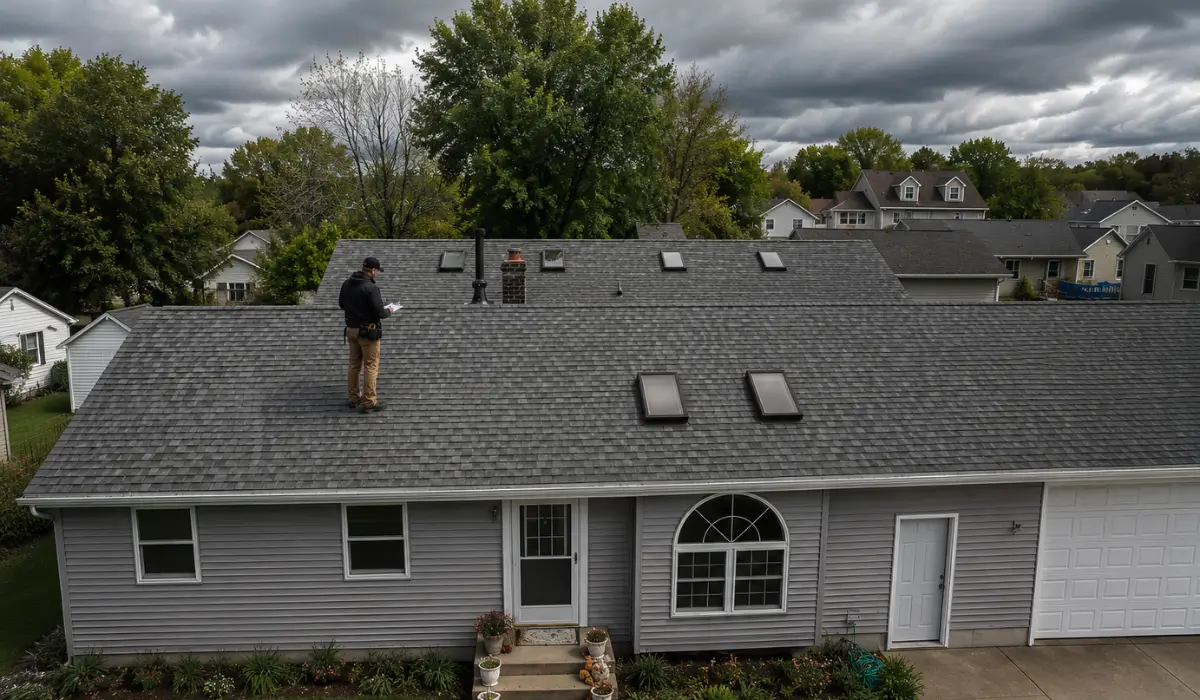









Roofing issues before storm season can lead to expensive repairs, insurance complications, and unexpected roofing failures. Spring is the ideal time to identify hidden problems, understand potential costs, and make improvements before severe weather arrives.
Roof weaknesses often remain hidden until the first major storm exposes them. Top Quality Roofing & Siding has helped more than 900 homeowners across Illinois address roofing concerns before they become major issues by identifying problems early and providing clear recommendations.
We help homeowners separate urgent roofing concerns from issues that can be planned, priced, and addressed before storm season makes decisions more difficult.
Residential Roof Inspection Before Illinois Storm Season Arrives
Why Spring Is the Critical Time for Roof Readiness
Illinois storm season typically peaks between May and July. Heavy rain, hail, strong winds, and rapid weather changes can expose weaknesses that have been developing for months. Small roofing problems rarely stay small once storm season begins.
Our team includes CertainTeed-certified roofing professionals and licensed insurance claim specialists who understand how Illinois weather affects roofing systems throughout the year. That experience helps homeowners identify concerns before severe weather increases the cost and complexity of repairs.
Why Minor Damage Becomes Major Damage
A missing shingle may seem insignificant during dry weather, but heavy rain can turn that small opening into a roof leak, damaged decking, wet insulation, and interior water damage. Problems that appear minor in spring often become much more expensive once storms arrive.
Winter weather often creates hidden concerns that don't become obvious until spring. Ice buildup, freezing temperatures, and moisture intrusion can weaken roofing materials long before homeowners notice visible signs. Homeowners who experienced a harsh winter may benefit from reviewing common signs of ice dam roof damage.
The National Weather Service reports that severe thunderstorms can produce hail and wind strong enough to worsen existing roofing problems. Severe weather safety guidance outlines common weather risks that affect homes throughout Illinois during storm season.
Prevention Costs Less Than Emergency Repairs
Most roofing emergencies begin as maintenance issues that could have been addressed months earlier. A seasonal spring roofing checklist can help identify warning signs before severe weather creates more expensive damage. What starts as a minor repair can become a major insurance claim once storms expose hidden weaknesses.
Top Roof Issues to Catch Now (Before It's Too Late)
Missing shingles, damaged flashing, clogged gutters, and ventilation problems are among the most common roofing issues discovered before storm season. Some warning signs are easy to spot, while others remain hidden until moisture enters the home.
Exterior Warning Signs
Watch for these common concerns:
Missing, cracked, or curling shingles
Granules collecting near downspouts
Loose flashing around chimneys and vents
Sagging gutter sections
Standing water near the roof edges
Visible storm damage from previous seasons
Even a small damaged area can become a larger problem during severe weather. Catching these issues early often costs less than dealing with water intrusion, structural repairs, or emergency service calls later.
Hidden Problems Homeowners Often Miss
Poor attic ventilation is one of the most overlooked roofing concerns because the damage often develops out of sight. Excess moisture trapped in the attic can contribute to mold growth, wood deterioration, and a shorter roof lifespan.
Roof valleys deserve close attention because they direct large amounts of water during storms. Damage in these areas often increases the likelihood of leaks, especially when flashing begins to fail or debris prevents proper drainage.
Clogged gutters create another common problem because overflowing water can work its way beneath roofing materials and affect fascia boards, siding, and foundations. In some cases, poor drainage can also contribute to ponding water near roof edges, increasing the risk of moisture intrusion.
This guide to storm-proofing your roof covers practical steps that can help reduce weather-related damage.
Know Your Costs — Not All Damage Means Full Replacement
Not every roofing problem requires a complete roof replacement. Many roofs can be repaired successfully and continue performing well for years. The challenge is determining when repairs make sense and when replacement becomes the better investment.
What Impacts roof replacement cost IL?
Several factors influence roof replacement cost IL estimates. The size of the roof, roofing materials, labor requirements, accessibility, and ventilation upgrades all affect overall pricing.
Cost Factor | Impact on Overall Cost |
Roof Size | High |
Roofing Material | High |
Roof Pitch | Moderate to High |
Labor Costs | Moderate to High |
Tear-Off Requirements | High |
Ventilation Improvements | Moderate |
Structural Repairs | High |
A roof with isolated damage may only require targeted repairs, while a roof showing widespread wear, repeated leaks, or significant aging may benefit from more substantial improvements.
Minor repairs often make sense when damage is limited to a small section of the roof and the remaining materials are still in good condition. A full tear-off is usually worth considering when multiple repairs are needed, leaks continue to return, or the roof is nearing the end of its expected lifespan. Replacing aging materials all at once can reduce future repair costs and provide stronger protection during Illinois storms.
Understanding Tear-Off Costs
Tear-off work involves removing existing roofing materials before new materials are installed. This process increases labor costs but also allows contractors to inspect the roof deck and uncover hidden damage that would otherwise remain concealed.
Tear-off cost is often one of the largest factors affecting overall project pricing because labor, disposal fees, and hidden deck repairs can increase the scope of work.
Many homeowners searching for roof replacement near me want pricing information before speaking with contractors. A practical first step is the roofing cost calculator, which provides ballpark estimates based on project size, roofing materials, and project scope.
A Common Decision Point
Many homeowners reach a point where visible damage is only part of the concern. Questions about budget, lifespan, and future repairs become equally important as they evaluate their options.
Roofing estimates Warrenville can vary significantly depending on roof size, materials, ventilation needs, and whether repairs or replacement make the most sense across our Illinois service areas.
Our professional roofing services help homeowners compare those options based on roof condition, goals, and long-term value.
Financing Options for Roofing Projects in IL
Waiting until storm damage becomes severe often limits available options. Planning ahead gives homeowners more flexibility and allows roofing concerns to be addressed before emergency repairs become necessary.
Homeowners comparing affordable roofing companies near me should look beyond price alone and consider workmanship, materials, warranties, and local experience. The lowest estimate is not always the best value when roof performance and longevity are important considerations.
When Financing Makes Sense
Several situations may justify roof financing IL solutions:
Repairs are becoming more frequent
Storm season is approaching
Insurance may not cover aging-related issues
Roof replacement is needed sooner than expected
Home improvement budgets are already committed elsewhere
Many homeowners assume storm damage will be fully covered by insurance. Coverage can become more complicated when roofing materials are already worn or nearing the end of their service life. Addressing roofing concerns before severe weather arrives may help reduce the risk of underinsured damage and unexpected out-of-pocket expenses.
Financing can make important roofing work more manageable while reducing the risk of future storm-related expenses. Taking action before damage worsens often provides more options than waiting until emergency repairs become necessary.
Common Financing Paths
Homeowners often consider:
Credit-based roofing programs
Home equity financing
Promotional payment plans
Fixed monthly payment options
Qualified property owners may be eligible for 0% promotional plans that make roof repairs or replacement easier to budget over time. Our roof financing options outline available payment paths and qualification requirements.
The Illinois Emergency Management Agency provides valuable storm preparedness resources for severe weather preparation. Roof protection extends beyond shingles alone, and damaged gutters or siding can contribute to moisture intrusion and exterior deterioration.
Roofing improvements and siding replacement projects are often evaluated during the same planning process. Addressing exterior issues together can help prevent future water-related problems and reduce long-term maintenance concerns.
Choosing a roofing contractor involves more than comparing prices. Experience, certifications, workmanship standards, and communication all play a role in the outcome.
Most expensive roofing repairs begin as smaller problems that went unaddressed. This guide covered warning signs, repair-versus-replacement decisions, project cost factors, and financing options available across Illinois.
A professional inspection can help determine what deserves attention now and what can be planned for later. Our company background and approach explains how we help Illinois property owners evaluate roofing options and make informed decisions.
Don't wait for storm season to expose roof problems. Use our roofing cost calculator or book an inspection in Warrenville and nearby IL cities today. |
Roofing issues before storm season can lead to expensive repairs, insurance complications, and unexpected roofing failures. Spring is the ideal time to identify hidden problems, understand potential costs, and make improvements before severe weather arrives.
Roof weaknesses often remain hidden until the first major storm exposes them. Top Quality Roofing & Siding has helped more than 900 homeowners across Illinois address roofing concerns before they become major issues by identifying problems early and providing clear recommendations.
We help homeowners separate urgent roofing concerns from issues that can be planned, priced, and addressed before storm season makes decisions more difficult.
Residential Roof Inspection Before Illinois Storm Season Arrives
Why Spring Is the Critical Time for Roof Readiness
Illinois storm season typically peaks between May and July. Heavy rain, hail, strong winds, and rapid weather changes can expose weaknesses that have been developing for months. Small roofing problems rarely stay small once storm season begins.
Our team includes CertainTeed-certified roofing professionals and licensed insurance claim specialists who understand how Illinois weather affects roofing systems throughout the year. That experience helps homeowners identify concerns before severe weather increases the cost and complexity of repairs.
Why Minor Damage Becomes Major Damage
A missing shingle may seem insignificant during dry weather, but heavy rain can turn that small opening into a roof leak, damaged decking, wet insulation, and interior water damage. Problems that appear minor in spring often become much more expensive once storms arrive.
Winter weather often creates hidden concerns that don't become obvious until spring. Ice buildup, freezing temperatures, and moisture intrusion can weaken roofing materials long before homeowners notice visible signs. Homeowners who experienced a harsh winter may benefit from reviewing common signs of ice dam roof damage.
The National Weather Service reports that severe thunderstorms can produce hail and wind strong enough to worsen existing roofing problems. Severe weather safety guidance outlines common weather risks that affect homes throughout Illinois during storm season.
Prevention Costs Less Than Emergency Repairs
Most roofing emergencies begin as maintenance issues that could have been addressed months earlier. A seasonal spring roofing checklist can help identify warning signs before severe weather creates more expensive damage. What starts as a minor repair can become a major insurance claim once storms expose hidden weaknesses.
Top Roof Issues to Catch Now (Before It's Too Late)
Missing shingles, damaged flashing, clogged gutters, and ventilation problems are among the most common roofing issues discovered before storm season. Some warning signs are easy to spot, while others remain hidden until moisture enters the home.
Exterior Warning Signs
Watch for these common concerns:
Missing, cracked, or curling shingles
Granules collecting near downspouts
Loose flashing around chimneys and vents
Sagging gutter sections
Standing water near the roof edges
Visible storm damage from previous seasons
Even a small damaged area can become a larger problem during severe weather. Catching these issues early often costs less than dealing with water intrusion, structural repairs, or emergency service calls later.
Hidden Problems Homeowners Often Miss
Poor attic ventilation is one of the most overlooked roofing concerns because the damage often develops out of sight. Excess moisture trapped in the attic can contribute to mold growth, wood deterioration, and a shorter roof lifespan.
Roof valleys deserve close attention because they direct large amounts of water during storms. Damage in these areas often increases the likelihood of leaks, especially when flashing begins to fail or debris prevents proper drainage.
Clogged gutters create another common problem because overflowing water can work its way beneath roofing materials and affect fascia boards, siding, and foundations. In some cases, poor drainage can also contribute to ponding water near roof edges, increasing the risk of moisture intrusion.
This guide to storm-proofing your roof covers practical steps that can help reduce weather-related damage.
Know Your Costs — Not All Damage Means Full Replacement
Not every roofing problem requires a complete roof replacement. Many roofs can be repaired successfully and continue performing well for years. The challenge is determining when repairs make sense and when replacement becomes the better investment.
What Impacts roof replacement cost IL?
Several factors influence roof replacement cost IL estimates. The size of the roof, roofing materials, labor requirements, accessibility, and ventilation upgrades all affect overall pricing.
Cost Factor | Impact on Overall Cost |
Roof Size | High |
Roofing Material | High |
Roof Pitch | Moderate to High |
Labor Costs | Moderate to High |
Tear-Off Requirements | High |
Ventilation Improvements | Moderate |
Structural Repairs | High |
A roof with isolated damage may only require targeted repairs, while a roof showing widespread wear, repeated leaks, or significant aging may benefit from more substantial improvements.
Minor repairs often make sense when damage is limited to a small section of the roof and the remaining materials are still in good condition. A full tear-off is usually worth considering when multiple repairs are needed, leaks continue to return, or the roof is nearing the end of its expected lifespan. Replacing aging materials all at once can reduce future repair costs and provide stronger protection during Illinois storms.
Understanding Tear-Off Costs
Tear-off work involves removing existing roofing materials before new materials are installed. This process increases labor costs but also allows contractors to inspect the roof deck and uncover hidden damage that would otherwise remain concealed.
Tear-off cost is often one of the largest factors affecting overall project pricing because labor, disposal fees, and hidden deck repairs can increase the scope of work.
Many homeowners searching for roof replacement near me want pricing information before speaking with contractors. A practical first step is the roofing cost calculator, which provides ballpark estimates based on project size, roofing materials, and project scope.
A Common Decision Point
Many homeowners reach a point where visible damage is only part of the concern. Questions about budget, lifespan, and future repairs become equally important as they evaluate their options.
Roofing estimates Warrenville can vary significantly depending on roof size, materials, ventilation needs, and whether repairs or replacement make the most sense across our Illinois service areas.
Our professional roofing services help homeowners compare those options based on roof condition, goals, and long-term value.
Financing Options for Roofing Projects in IL
Waiting until storm damage becomes severe often limits available options. Planning ahead gives homeowners more flexibility and allows roofing concerns to be addressed before emergency repairs become necessary.
Homeowners comparing affordable roofing companies near me should look beyond price alone and consider workmanship, materials, warranties, and local experience. The lowest estimate is not always the best value when roof performance and longevity are important considerations.
When Financing Makes Sense
Several situations may justify roof financing IL solutions:
Repairs are becoming more frequent
Storm season is approaching
Insurance may not cover aging-related issues
Roof replacement is needed sooner than expected
Home improvement budgets are already committed elsewhere
Many homeowners assume storm damage will be fully covered by insurance. Coverage can become more complicated when roofing materials are already worn or nearing the end of their service life. Addressing roofing concerns before severe weather arrives may help reduce the risk of underinsured damage and unexpected out-of-pocket expenses.
Financing can make important roofing work more manageable while reducing the risk of future storm-related expenses. Taking action before damage worsens often provides more options than waiting until emergency repairs become necessary.
Common Financing Paths
Homeowners often consider:
Credit-based roofing programs
Home equity financing
Promotional payment plans
Fixed monthly payment options
Qualified property owners may be eligible for 0% promotional plans that make roof repairs or replacement easier to budget over time. Our roof financing options outline available payment paths and qualification requirements.
The Illinois Emergency Management Agency provides valuable storm preparedness resources for severe weather preparation. Roof protection extends beyond shingles alone, and damaged gutters or siding can contribute to moisture intrusion and exterior deterioration.
Roofing improvements and siding replacement projects are often evaluated during the same planning process. Addressing exterior issues together can help prevent future water-related problems and reduce long-term maintenance concerns.
Choosing a roofing contractor involves more than comparing prices. Experience, certifications, workmanship standards, and communication all play a role in the outcome.
Most expensive roofing repairs begin as smaller problems that went unaddressed. This guide covered warning signs, repair-versus-replacement decisions, project cost factors, and financing options available across Illinois.
A professional inspection can help determine what deserves attention now and what can be planned for later. Our company background and approach explains how we help Illinois property owners evaluate roofing options and make informed decisions.
Don't wait for storm season to expose roof problems. Use our roofing cost calculator or book an inspection in Warrenville and nearby IL cities today. |
Roofing issues before storm season can lead to expensive repairs, insurance complications, and unexpected roofing failures. Spring is the ideal time to identify hidden problems, understand potential costs, and make improvements before severe weather arrives.
Roof weaknesses often remain hidden until the first major storm exposes them. Top Quality Roofing & Siding has helped more than 900 homeowners across Illinois address roofing concerns before they become major issues by identifying problems early and providing clear recommendations.
We help homeowners separate urgent roofing concerns from issues that can be planned, priced, and addressed before storm season makes decisions more difficult.
Residential Roof Inspection Before Illinois Storm Season Arrives
Why Spring Is the Critical Time for Roof Readiness
Illinois storm season typically peaks between May and July. Heavy rain, hail, strong winds, and rapid weather changes can expose weaknesses that have been developing for months. Small roofing problems rarely stay small once storm season begins.
Our team includes CertainTeed-certified roofing professionals and licensed insurance claim specialists who understand how Illinois weather affects roofing systems throughout the year. That experience helps homeowners identify concerns before severe weather increases the cost and complexity of repairs.
Why Minor Damage Becomes Major Damage
A missing shingle may seem insignificant during dry weather, but heavy rain can turn that small opening into a roof leak, damaged decking, wet insulation, and interior water damage. Problems that appear minor in spring often become much more expensive once storms arrive.
Winter weather often creates hidden concerns that don't become obvious until spring. Ice buildup, freezing temperatures, and moisture intrusion can weaken roofing materials long before homeowners notice visible signs. Homeowners who experienced a harsh winter may benefit from reviewing common signs of ice dam roof damage.
The National Weather Service reports that severe thunderstorms can produce hail and wind strong enough to worsen existing roofing problems. Severe weather safety guidance outlines common weather risks that affect homes throughout Illinois during storm season.
Prevention Costs Less Than Emergency Repairs
Most roofing emergencies begin as maintenance issues that could have been addressed months earlier. A seasonal spring roofing checklist can help identify warning signs before severe weather creates more expensive damage. What starts as a minor repair can become a major insurance claim once storms expose hidden weaknesses.
Top Roof Issues to Catch Now (Before It's Too Late)
Missing shingles, damaged flashing, clogged gutters, and ventilation problems are among the most common roofing issues discovered before storm season. Some warning signs are easy to spot, while others remain hidden until moisture enters the home.
Exterior Warning Signs
Watch for these common concerns:
Missing, cracked, or curling shingles
Granules collecting near downspouts
Loose flashing around chimneys and vents
Sagging gutter sections
Standing water near the roof edges
Visible storm damage from previous seasons
Even a small damaged area can become a larger problem during severe weather. Catching these issues early often costs less than dealing with water intrusion, structural repairs, or emergency service calls later.
Hidden Problems Homeowners Often Miss
Poor attic ventilation is one of the most overlooked roofing concerns because the damage often develops out of sight. Excess moisture trapped in the attic can contribute to mold growth, wood deterioration, and a shorter roof lifespan.
Roof valleys deserve close attention because they direct large amounts of water during storms. Damage in these areas often increases the likelihood of leaks, especially when flashing begins to fail or debris prevents proper drainage.
Clogged gutters create another common problem because overflowing water can work its way beneath roofing materials and affect fascia boards, siding, and foundations. In some cases, poor drainage can also contribute to ponding water near roof edges, increasing the risk of moisture intrusion.
This guide to storm-proofing your roof covers practical steps that can help reduce weather-related damage.
Know Your Costs — Not All Damage Means Full Replacement
Not every roofing problem requires a complete roof replacement. Many roofs can be repaired successfully and continue performing well for years. The challenge is determining when repairs make sense and when replacement becomes the better investment.
What Impacts roof replacement cost IL?
Several factors influence roof replacement cost IL estimates. The size of the roof, roofing materials, labor requirements, accessibility, and ventilation upgrades all affect overall pricing.
Cost Factor | Impact on Overall Cost |
Roof Size | High |
Roofing Material | High |
Roof Pitch | Moderate to High |
Labor Costs | Moderate to High |
Tear-Off Requirements | High |
Ventilation Improvements | Moderate |
Structural Repairs | High |
A roof with isolated damage may only require targeted repairs, while a roof showing widespread wear, repeated leaks, or significant aging may benefit from more substantial improvements.
Minor repairs often make sense when damage is limited to a small section of the roof and the remaining materials are still in good condition. A full tear-off is usually worth considering when multiple repairs are needed, leaks continue to return, or the roof is nearing the end of its expected lifespan. Replacing aging materials all at once can reduce future repair costs and provide stronger protection during Illinois storms.
Understanding Tear-Off Costs
Tear-off work involves removing existing roofing materials before new materials are installed. This process increases labor costs but also allows contractors to inspect the roof deck and uncover hidden damage that would otherwise remain concealed.
Tear-off cost is often one of the largest factors affecting overall project pricing because labor, disposal fees, and hidden deck repairs can increase the scope of work.
Many homeowners searching for roof replacement near me want pricing information before speaking with contractors. A practical first step is the roofing cost calculator, which provides ballpark estimates based on project size, roofing materials, and project scope.
A Common Decision Point
Many homeowners reach a point where visible damage is only part of the concern. Questions about budget, lifespan, and future repairs become equally important as they evaluate their options.
Roofing estimates Warrenville can vary significantly depending on roof size, materials, ventilation needs, and whether repairs or replacement make the most sense across our Illinois service areas.
Our professional roofing services help homeowners compare those options based on roof condition, goals, and long-term value.
Financing Options for Roofing Projects in IL
Waiting until storm damage becomes severe often limits available options. Planning ahead gives homeowners more flexibility and allows roofing concerns to be addressed before emergency repairs become necessary.
Homeowners comparing affordable roofing companies near me should look beyond price alone and consider workmanship, materials, warranties, and local experience. The lowest estimate is not always the best value when roof performance and longevity are important considerations.
When Financing Makes Sense
Several situations may justify roof financing IL solutions:
Repairs are becoming more frequent
Storm season is approaching
Insurance may not cover aging-related issues
Roof replacement is needed sooner than expected
Home improvement budgets are already committed elsewhere
Many homeowners assume storm damage will be fully covered by insurance. Coverage can become more complicated when roofing materials are already worn or nearing the end of their service life. Addressing roofing concerns before severe weather arrives may help reduce the risk of underinsured damage and unexpected out-of-pocket expenses.
Financing can make important roofing work more manageable while reducing the risk of future storm-related expenses. Taking action before damage worsens often provides more options than waiting until emergency repairs become necessary.
Common Financing Paths
Homeowners often consider:
Credit-based roofing programs
Home equity financing
Promotional payment plans
Fixed monthly payment options
Qualified property owners may be eligible for 0% promotional plans that make roof repairs or replacement easier to budget over time. Our roof financing options outline available payment paths and qualification requirements.
The Illinois Emergency Management Agency provides valuable storm preparedness resources for severe weather preparation. Roof protection extends beyond shingles alone, and damaged gutters or siding can contribute to moisture intrusion and exterior deterioration.
Roofing improvements and siding replacement projects are often evaluated during the same planning process. Addressing exterior issues together can help prevent future water-related problems and reduce long-term maintenance concerns.
Choosing a roofing contractor involves more than comparing prices. Experience, certifications, workmanship standards, and communication all play a role in the outcome.
Most expensive roofing repairs begin as smaller problems that went unaddressed. This guide covered warning signs, repair-versus-replacement decisions, project cost factors, and financing options available across Illinois.
A professional inspection can help determine what deserves attention now and what can be planned for later. Our company background and approach explains how we help Illinois property owners evaluate roofing options and make informed decisions.
Don't wait for storm season to expose roof problems. Use our roofing cost calculator or book an inspection in Warrenville and nearby IL cities today. |
Roofing issues before storm season can lead to expensive repairs, insurance complications, and unexpected roofing failures. Spring is the ideal time to identify hidden problems, understand potential costs, and make improvements before severe weather arrives.
Roof weaknesses often remain hidden until the first major storm exposes them. Top Quality Roofing & Siding has helped more than 900 homeowners across Illinois address roofing concerns before they become major issues by identifying problems early and providing clear recommendations.
We help homeowners separate urgent roofing concerns from issues that can be planned, priced, and addressed before storm season makes decisions more difficult.
Residential Roof Inspection Before Illinois Storm Season Arrives
Why Spring Is the Critical Time for Roof Readiness
Illinois storm season typically peaks between May and July. Heavy rain, hail, strong winds, and rapid weather changes can expose weaknesses that have been developing for months. Small roofing problems rarely stay small once storm season begins.
Our team includes CertainTeed-certified roofing professionals and licensed insurance claim specialists who understand how Illinois weather affects roofing systems throughout the year. That experience helps homeowners identify concerns before severe weather increases the cost and complexity of repairs.
Why Minor Damage Becomes Major Damage
A missing shingle may seem insignificant during dry weather, but heavy rain can turn that small opening into a roof leak, damaged decking, wet insulation, and interior water damage. Problems that appear minor in spring often become much more expensive once storms arrive.
Winter weather often creates hidden concerns that don't become obvious until spring. Ice buildup, freezing temperatures, and moisture intrusion can weaken roofing materials long before homeowners notice visible signs. Homeowners who experienced a harsh winter may benefit from reviewing common signs of ice dam roof damage.
The National Weather Service reports that severe thunderstorms can produce hail and wind strong enough to worsen existing roofing problems. Severe weather safety guidance outlines common weather risks that affect homes throughout Illinois during storm season.
Prevention Costs Less Than Emergency Repairs
Most roofing emergencies begin as maintenance issues that could have been addressed months earlier. A seasonal spring roofing checklist can help identify warning signs before severe weather creates more expensive damage. What starts as a minor repair can become a major insurance claim once storms expose hidden weaknesses.
Top Roof Issues to Catch Now (Before It's Too Late)
Missing shingles, damaged flashing, clogged gutters, and ventilation problems are among the most common roofing issues discovered before storm season. Some warning signs are easy to spot, while others remain hidden until moisture enters the home.
Exterior Warning Signs
Watch for these common concerns:
Missing, cracked, or curling shingles
Granules collecting near downspouts
Loose flashing around chimneys and vents
Sagging gutter sections
Standing water near the roof edges
Visible storm damage from previous seasons
Even a small damaged area can become a larger problem during severe weather. Catching these issues early often costs less than dealing with water intrusion, structural repairs, or emergency service calls later.
Hidden Problems Homeowners Often Miss
Poor attic ventilation is one of the most overlooked roofing concerns because the damage often develops out of sight. Excess moisture trapped in the attic can contribute to mold growth, wood deterioration, and a shorter roof lifespan.
Roof valleys deserve close attention because they direct large amounts of water during storms. Damage in these areas often increases the likelihood of leaks, especially when flashing begins to fail or debris prevents proper drainage.
Clogged gutters create another common problem because overflowing water can work its way beneath roofing materials and affect fascia boards, siding, and foundations. In some cases, poor drainage can also contribute to ponding water near roof edges, increasing the risk of moisture intrusion.
This guide to storm-proofing your roof covers practical steps that can help reduce weather-related damage.
Know Your Costs — Not All Damage Means Full Replacement
Not every roofing problem requires a complete roof replacement. Many roofs can be repaired successfully and continue performing well for years. The challenge is determining when repairs make sense and when replacement becomes the better investment.
What Impacts roof replacement cost IL?
Several factors influence roof replacement cost IL estimates. The size of the roof, roofing materials, labor requirements, accessibility, and ventilation upgrades all affect overall pricing.
Cost Factor | Impact on Overall Cost |
Roof Size | High |
Roofing Material | High |
Roof Pitch | Moderate to High |
Labor Costs | Moderate to High |
Tear-Off Requirements | High |
Ventilation Improvements | Moderate |
Structural Repairs | High |
A roof with isolated damage may only require targeted repairs, while a roof showing widespread wear, repeated leaks, or significant aging may benefit from more substantial improvements.
Minor repairs often make sense when damage is limited to a small section of the roof and the remaining materials are still in good condition. A full tear-off is usually worth considering when multiple repairs are needed, leaks continue to return, or the roof is nearing the end of its expected lifespan. Replacing aging materials all at once can reduce future repair costs and provide stronger protection during Illinois storms.
Understanding Tear-Off Costs
Tear-off work involves removing existing roofing materials before new materials are installed. This process increases labor costs but also allows contractors to inspect the roof deck and uncover hidden damage that would otherwise remain concealed.
Tear-off cost is often one of the largest factors affecting overall project pricing because labor, disposal fees, and hidden deck repairs can increase the scope of work.
Many homeowners searching for roof replacement near me want pricing information before speaking with contractors. A practical first step is the roofing cost calculator, which provides ballpark estimates based on project size, roofing materials, and project scope.
A Common Decision Point
Many homeowners reach a point where visible damage is only part of the concern. Questions about budget, lifespan, and future repairs become equally important as they evaluate their options.
Roofing estimates Warrenville can vary significantly depending on roof size, materials, ventilation needs, and whether repairs or replacement make the most sense across our Illinois service areas.
Our professional roofing services help homeowners compare those options based on roof condition, goals, and long-term value.
Financing Options for Roofing Projects in IL
Waiting until storm damage becomes severe often limits available options. Planning ahead gives homeowners more flexibility and allows roofing concerns to be addressed before emergency repairs become necessary.
Homeowners comparing affordable roofing companies near me should look beyond price alone and consider workmanship, materials, warranties, and local experience. The lowest estimate is not always the best value when roof performance and longevity are important considerations.
When Financing Makes Sense
Several situations may justify roof financing IL solutions:
Repairs are becoming more frequent
Storm season is approaching
Insurance may not cover aging-related issues
Roof replacement is needed sooner than expected
Home improvement budgets are already committed elsewhere
Many homeowners assume storm damage will be fully covered by insurance. Coverage can become more complicated when roofing materials are already worn or nearing the end of their service life. Addressing roofing concerns before severe weather arrives may help reduce the risk of underinsured damage and unexpected out-of-pocket expenses.
Financing can make important roofing work more manageable while reducing the risk of future storm-related expenses. Taking action before damage worsens often provides more options than waiting until emergency repairs become necessary.
Common Financing Paths
Homeowners often consider:
Credit-based roofing programs
Home equity financing
Promotional payment plans
Fixed monthly payment options
Qualified property owners may be eligible for 0% promotional plans that make roof repairs or replacement easier to budget over time. Our roof financing options outline available payment paths and qualification requirements.
The Illinois Emergency Management Agency provides valuable storm preparedness resources for severe weather preparation. Roof protection extends beyond shingles alone, and damaged gutters or siding can contribute to moisture intrusion and exterior deterioration.
Roofing improvements and siding replacement projects are often evaluated during the same planning process. Addressing exterior issues together can help prevent future water-related problems and reduce long-term maintenance concerns.
Choosing a roofing contractor involves more than comparing prices. Experience, certifications, workmanship standards, and communication all play a role in the outcome.
Most expensive roofing repairs begin as smaller problems that went unaddressed. This guide covered warning signs, repair-versus-replacement decisions, project cost factors, and financing options available across Illinois.
A professional inspection can help determine what deserves attention now and what can be planned for later. Our company background and approach explains how we help Illinois property owners evaluate roofing options and make informed decisions.
Don't wait for storm season to expose roof problems. Use our roofing cost calculator or book an inspection in Warrenville and nearby IL cities today. |


Pricing & financing



Copyright © 2025 Top Quality Roofing and Siding
Pricing & financing
Copyright © 2025 Top Quality Roofing and Siding
Pricing & financing

Copyright © 2025 Top Quality Roofing and Siding