
Free Estimates on New Roof, Siding, Gutter Replacements


Free Estimates on New Roof, Siding, Gutter Replacements
(630) 520-0576
Mon - Sat: 8am to 8pm

Storm-Proofing Your Roof Before Spring in IL








How Storm-Proofing Your Roof Improves Protection
Storm-proofing your roof in Illinois means reinforcing shingles, sealing flashing, and improving ventilation to prevent wind, hail, and water damage during spring storms. Homes without preparation face higher risks of leaks, structural damage, and costly repairs.
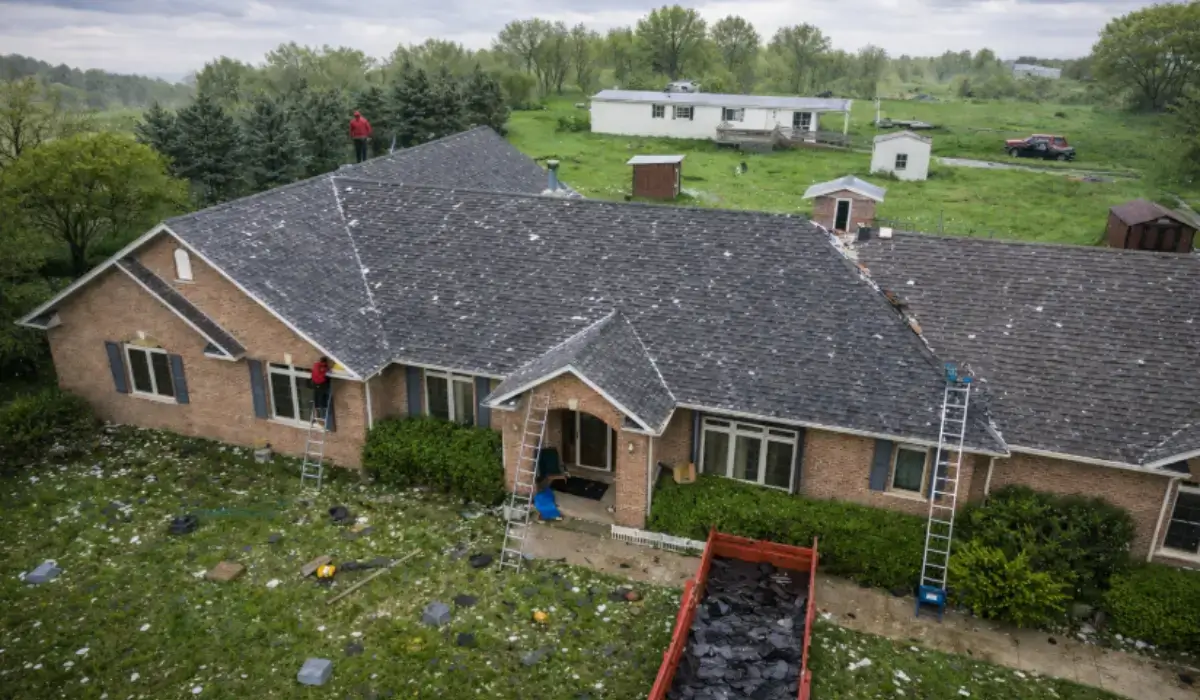
Spring storms across Illinois bring high winds, heavy rain, and hail that expose even minor roofing weaknesses. Small defects often expand under pressure, especially during prolonged rain and wind exposure, turning routine wear into serious damage.
IIllinois ranks among the top states for hail-related insurance claims, with thousands of roof damage reports filed each year, as reflected in regional storm data tracked by the National Centers for Environmental Information.
Top Quality Roofing & Siding, led by owner Ramon Cruz, brings over 30 years of combined experience and holds certifications including CertainTeed Shingle Quality Specialist and an Illinois Public Adjuster License. Our team has protected over 900 homes using proven roofing systems built for long-term performance.
Why Illinois Roofs Take a Beating in Spring
Spring weather creates rapid pressure changes that stress roofing systems from multiple angles.
Wind, hail, and heavy rain arrive in sudden bursts, placing force on shingles, flashing, and structural components. Materials that have aged or weakened lose resistance quickly under these conditions.
Key stress factors include:
Wind lifting and loosening shingle edges
Hail impact breaking protective surfaces
Heat buildup caused by poor airflow
Water overflow from clogged gutters
Trapped heat reduces structural strength over time, while drainage issues push water toward fascia and decking. Damage rarely appears all at once. It builds gradually until the first major storm exposes every weak point.
How Storm-Proofing Your Roof Improves Protection
A reinforced roofing system spreads impact, limits uplift, and blocks water intrusion during severe weather.
Top Quality Roofing & Siding strengthens entire roofing systems rather than isolated areas, since failure usually begins at the weakest point.
Key Upgrades That Strengthen Your Roof
Impact-resistant shingles absorb hail without cracking
Upgraded ridge caps and vent boots reduce wind lift
Secured flashing and drip edges protect transition areas flashing replacement
Waterproof underlayment creates a second barrier
Balanced airflow improves attic ventilation IL performance
A recent project in St. Charles involved a home where small flashing gaps allowed water to reach interior ceilings after one storm. Repairs expanded far beyond the original issue due to delayed preparation.
🔍Key Insight Storm-proofing your roof involves strengthening shingles, sealing flashing, and improving ventilation to reduce damage from wind, hail, and water. A reinforced system performs better under pressure and prevents sudden failure during Illinois storms. |
DIY Inspection: Is Your Roof Storm-Ready?
Visible wear often signals deeper vulnerabilities that become critical under storm conditions.
A simple inspection highlights early warning signs and clarifies risk levels before severe weather begins.
Signs To Look For
Missing or lifted shingles across roof sections
Damaged flashing near vents and chimneys
Daylight visible in attic spaces
Tree branches positioned close to the roof
Roof age beyond 10–15 years, combined with visible wear, increases the likelihood of rapid deterioration. Early detection allows targeted repairs before conditions worsen.
Roof wear combined with storm pressure often leads to sudden repairs that could have been prevented earlier. A detailed evaluation provides clarity on current conditions and next steps. Start with a roof protection quote tailored to your home for lasting results.
What a Pro Roofing Company Will Look For (And Fix Fast)
Professional inspections uncover structural weaknesses that are not visible from ground level.
A roofing company in St. Charles identifies hidden issues that often lead to sudden failure during storms.
Common Problems Found During Inspections
Soft or weakened decking beneath shingles
Loose flashing or deteriorating sealant
Drainage systems are unable to manage heavy rainfall
Vulnerable valleys where water collects
Many contractors address surface damage. Structural evaluation focuses on areas where storm failure actually begins.
A pre-storm roof inspection timing reveals these risks early and helps prevent emergency repairs.
When to Call a Roofing Professional in Illinois
Certain conditions increase the likelihood of failure and require professional evaluation before storm season intensifies.
Situations that indicate elevated risk:
Roof age exceeding 10–15 years
Multiple areas showing wear or prior repairs
Signs of moisture in attic spaces
Previous storm exposure
Insurance trends across Illinois in 2025 show stricter claim approvals, making pre-storm documentation more important than ever.
What Happens if You Wait Until After the Storm
Delays allow small weaknesses to develop into larger structural problems once storms hit.
Moisture spreads beyond the entry point, affecting insulation, siding, and interior spaces.
How Damage Escalates
Leaks are spreading into the ceilings and insulation
Increased damage to siding and fascia
More complex insurance claims
Longer contractor wait times during peak demand
Homeowners reviewing recent roofing project results often notice how quickly minor damage expands after severe weather.
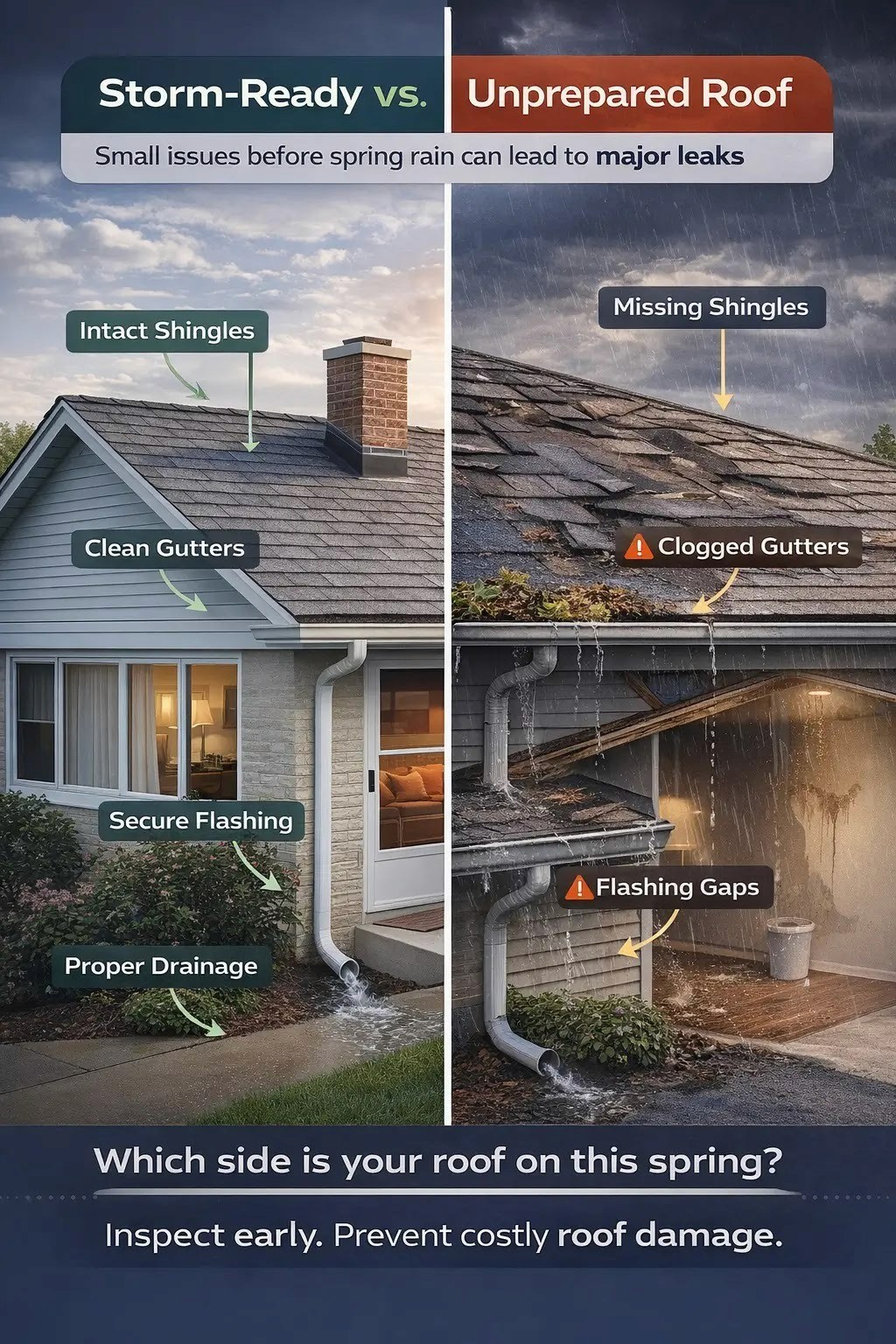
Storm-Ready vs. Unprepared Roof
Feature | Storm-Ready Roof | Unprepared Roof |
Shingles | Impact-resistant | Worn and brittle |
Flashing | Secure and sealed | Loose or deteriorating |
Ventilation | Balanced airflow | Heat buildup |
Water Protection | Multi-layer system | Single-point failure |
Storm Outcome | Minimal damage | Leaks and structural issues |
This comparison shows how storm preparation directly affects roof performance and long-term repair risk.
Preparing Before Storm Season Changes the Outcome
Preparation before storm season changes how a roof performs under pressure, and storm-proofing your roof reduces the risk of sudden failure when conditions intensify. Small vulnerabilities often remain unnoticed until heavy wind and rain expose them all at once, which turns minor issues into costly repairs.
Top Quality Roofing & Siding brings certified expertise, real-world experience, and proven protection across Illinois homes with trusted roofing services built for durability. A common pattern across properties shows that early action leads to better outcomes, while delays increase damage scope.
FAQs
What Is The Best Way To Storm-Proof A Roof In Illinois?
Storm-proofing a roof in Illinois involves reinforcing shingles, sealing flashing, improving ventilation, and ensuring proper drainage. These steps reduce the risk of wind uplift, hail damage, and water intrusion during spring storms.
How Early Should Roof Preparation Happen?
Late winter or early spring provides the best opportunity to address vulnerabilities before storm activity increases.
Do Impact-Resistant Shingles Reduce Damage?
They improve durability under hail impact and extend the lifespan of roofing systems exposed to repeated storms.
Can Minor Roof Issues Wait?
Small defects often expand under pressure, especially during heavy rain and wind conditions.
Does preparation help with insurance claims?
Pre-storm documentation supports claims by showing roof condition before damage occurs.
Storm damage rarely stays contained, and once it reaches interior spaces, repairs become far more complex. Protect your home with proactive roofing solutions from Top Quality Roofing & Siding.
Pre-Storm Roof Inspection | Impact-Resistant Roofing IL | Get a Roof Protection Quote
How Storm-Proofing Your Roof Improves Protection
Storm-proofing your roof in Illinois means reinforcing shingles, sealing flashing, and improving ventilation to prevent wind, hail, and water damage during spring storms. Homes without preparation face higher risks of leaks, structural damage, and costly repairs.
Spring storms across Illinois bring high winds, heavy rain, and hail that expose even minor roofing weaknesses. Small defects often expand under pressure, especially during prolonged rain and wind exposure, turning routine wear into serious damage.
IIllinois ranks among the top states for hail-related insurance claims, with thousands of roof damage reports filed each year, as reflected in regional storm data tracked by the National Centers for Environmental Information.
Top Quality Roofing & Siding, led by owner Ramon Cruz, brings over 30 years of combined experience and holds certifications including CertainTeed Shingle Quality Specialist and an Illinois Public Adjuster License. Our team has protected over 900 homes using proven roofing systems built for long-term performance.
Why Illinois Roofs Take a Beating in Spring
Spring weather creates rapid pressure changes that stress roofing systems from multiple angles.
Wind, hail, and heavy rain arrive in sudden bursts, placing force on shingles, flashing, and structural components. Materials that have aged or weakened lose resistance quickly under these conditions.
Key stress factors include:
Wind lifting and loosening shingle edges
Hail impact breaking protective surfaces
Heat buildup caused by poor airflow
Water overflow from clogged gutters
Trapped heat reduces structural strength over time, while drainage issues push water toward fascia and decking. Damage rarely appears all at once. It builds gradually until the first major storm exposes every weak point.
How Storm-Proofing Your Roof Improves Protection
A reinforced roofing system spreads impact, limits uplift, and blocks water intrusion during severe weather.
Top Quality Roofing & Siding strengthens entire roofing systems rather than isolated areas, since failure usually begins at the weakest point.
Key Upgrades That Strengthen Your Roof
Impact-resistant shingles absorb hail without cracking
Upgraded ridge caps and vent boots reduce wind lift
Secured flashing and drip edges protect transition areas flashing replacement
Waterproof underlayment creates a second barrier
Balanced airflow improves attic ventilation IL performance
A recent project in St. Charles involved a home where small flashing gaps allowed water to reach interior ceilings after one storm. Repairs expanded far beyond the original issue due to delayed preparation.
🔍Key Insight Storm-proofing your roof involves strengthening shingles, sealing flashing, and improving ventilation to reduce damage from wind, hail, and water. A reinforced system performs better under pressure and prevents sudden failure during Illinois storms. |
DIY Inspection: Is Your Roof Storm-Ready?
Visible wear often signals deeper vulnerabilities that become critical under storm conditions.
A simple inspection highlights early warning signs and clarifies risk levels before severe weather begins.
Signs To Look For
Missing or lifted shingles across roof sections
Damaged flashing near vents and chimneys
Daylight visible in attic spaces
Tree branches positioned close to the roof
Roof age beyond 10–15 years, combined with visible wear, increases the likelihood of rapid deterioration. Early detection allows targeted repairs before conditions worsen.
Roof wear combined with storm pressure often leads to sudden repairs that could have been prevented earlier. A detailed evaluation provides clarity on current conditions and next steps. Start with a roof protection quote tailored to your home for lasting results.
What a Pro Roofing Company Will Look For (And Fix Fast)
Professional inspections uncover structural weaknesses that are not visible from ground level.
A roofing company in St. Charles identifies hidden issues that often lead to sudden failure during storms.
Common Problems Found During Inspections
Soft or weakened decking beneath shingles
Loose flashing or deteriorating sealant
Drainage systems are unable to manage heavy rainfall
Vulnerable valleys where water collects
Many contractors address surface damage. Structural evaluation focuses on areas where storm failure actually begins.
A pre-storm roof inspection timing reveals these risks early and helps prevent emergency repairs.
When to Call a Roofing Professional in Illinois
Certain conditions increase the likelihood of failure and require professional evaluation before storm season intensifies.
Situations that indicate elevated risk:
Roof age exceeding 10–15 years
Multiple areas showing wear or prior repairs
Signs of moisture in attic spaces
Previous storm exposure
Insurance trends across Illinois in 2025 show stricter claim approvals, making pre-storm documentation more important than ever.
What Happens if You Wait Until After the Storm
Delays allow small weaknesses to develop into larger structural problems once storms hit.
Moisture spreads beyond the entry point, affecting insulation, siding, and interior spaces.
How Damage Escalates
Leaks are spreading into the ceilings and insulation
Increased damage to siding and fascia
More complex insurance claims
Longer contractor wait times during peak demand
Homeowners reviewing recent roofing project results often notice how quickly minor damage expands after severe weather.
Storm-Ready vs. Unprepared Roof
Feature | Storm-Ready Roof | Unprepared Roof |
Shingles | Impact-resistant | Worn and brittle |
Flashing | Secure and sealed | Loose or deteriorating |
Ventilation | Balanced airflow | Heat buildup |
Water Protection | Multi-layer system | Single-point failure |
Storm Outcome | Minimal damage | Leaks and structural issues |
This comparison shows how storm preparation directly affects roof performance and long-term repair risk.
Preparing Before Storm Season Changes the Outcome
Preparation before storm season changes how a roof performs under pressure, and storm-proofing your roof reduces the risk of sudden failure when conditions intensify. Small vulnerabilities often remain unnoticed until heavy wind and rain expose them all at once, which turns minor issues into costly repairs.
Top Quality Roofing & Siding brings certified expertise, real-world experience, and proven protection across Illinois homes with trusted roofing services built for durability. A common pattern across properties shows that early action leads to better outcomes, while delays increase damage scope.
FAQs
What Is The Best Way To Storm-Proof A Roof In Illinois?
Storm-proofing a roof in Illinois involves reinforcing shingles, sealing flashing, improving ventilation, and ensuring proper drainage. These steps reduce the risk of wind uplift, hail damage, and water intrusion during spring storms.
How Early Should Roof Preparation Happen?
Late winter or early spring provides the best opportunity to address vulnerabilities before storm activity increases.
Do Impact-Resistant Shingles Reduce Damage?
They improve durability under hail impact and extend the lifespan of roofing systems exposed to repeated storms.
Can Minor Roof Issues Wait?
Small defects often expand under pressure, especially during heavy rain and wind conditions.
Does preparation help with insurance claims?
Pre-storm documentation supports claims by showing roof condition before damage occurs.
Storm damage rarely stays contained, and once it reaches interior spaces, repairs become far more complex. Protect your home with proactive roofing solutions from Top Quality Roofing & Siding.
Pre-Storm Roof Inspection | Impact-Resistant Roofing IL | Get a Roof Protection Quote
How Storm-Proofing Your Roof Improves Protection
Storm-proofing your roof in Illinois means reinforcing shingles, sealing flashing, and improving ventilation to prevent wind, hail, and water damage during spring storms. Homes without preparation face higher risks of leaks, structural damage, and costly repairs.
Spring storms across Illinois bring high winds, heavy rain, and hail that expose even minor roofing weaknesses. Small defects often expand under pressure, especially during prolonged rain and wind exposure, turning routine wear into serious damage.
IIllinois ranks among the top states for hail-related insurance claims, with thousands of roof damage reports filed each year, as reflected in regional storm data tracked by the National Centers for Environmental Information.
Top Quality Roofing & Siding, led by owner Ramon Cruz, brings over 30 years of combined experience and holds certifications including CertainTeed Shingle Quality Specialist and an Illinois Public Adjuster License. Our team has protected over 900 homes using proven roofing systems built for long-term performance.
Why Illinois Roofs Take a Beating in Spring
Spring weather creates rapid pressure changes that stress roofing systems from multiple angles.
Wind, hail, and heavy rain arrive in sudden bursts, placing force on shingles, flashing, and structural components. Materials that have aged or weakened lose resistance quickly under these conditions.
Key stress factors include:
Wind lifting and loosening shingle edges
Hail impact breaking protective surfaces
Heat buildup caused by poor airflow
Water overflow from clogged gutters
Trapped heat reduces structural strength over time, while drainage issues push water toward fascia and decking. Damage rarely appears all at once. It builds gradually until the first major storm exposes every weak point.
How Storm-Proofing Your Roof Improves Protection
A reinforced roofing system spreads impact, limits uplift, and blocks water intrusion during severe weather.
Top Quality Roofing & Siding strengthens entire roofing systems rather than isolated areas, since failure usually begins at the weakest point.
Key Upgrades That Strengthen Your Roof
Impact-resistant shingles absorb hail without cracking
Upgraded ridge caps and vent boots reduce wind lift
Secured flashing and drip edges protect transition areas flashing replacement
Waterproof underlayment creates a second barrier
Balanced airflow improves attic ventilation IL performance
A recent project in St. Charles involved a home where small flashing gaps allowed water to reach interior ceilings after one storm. Repairs expanded far beyond the original issue due to delayed preparation.
🔍Key Insight Storm-proofing your roof involves strengthening shingles, sealing flashing, and improving ventilation to reduce damage from wind, hail, and water. A reinforced system performs better under pressure and prevents sudden failure during Illinois storms. |
DIY Inspection: Is Your Roof Storm-Ready?
Visible wear often signals deeper vulnerabilities that become critical under storm conditions.
A simple inspection highlights early warning signs and clarifies risk levels before severe weather begins.
Signs To Look For
Missing or lifted shingles across roof sections
Damaged flashing near vents and chimneys
Daylight visible in attic spaces
Tree branches positioned close to the roof
Roof age beyond 10–15 years, combined with visible wear, increases the likelihood of rapid deterioration. Early detection allows targeted repairs before conditions worsen.
Roof wear combined with storm pressure often leads to sudden repairs that could have been prevented earlier. A detailed evaluation provides clarity on current conditions and next steps. Start with a roof protection quote tailored to your home for lasting results.
What a Pro Roofing Company Will Look For (And Fix Fast)
Professional inspections uncover structural weaknesses that are not visible from ground level.
A roofing company in St. Charles identifies hidden issues that often lead to sudden failure during storms.
Common Problems Found During Inspections
Soft or weakened decking beneath shingles
Loose flashing or deteriorating sealant
Drainage systems are unable to manage heavy rainfall
Vulnerable valleys where water collects
Many contractors address surface damage. Structural evaluation focuses on areas where storm failure actually begins.
A pre-storm roof inspection timing reveals these risks early and helps prevent emergency repairs.
When to Call a Roofing Professional in Illinois
Certain conditions increase the likelihood of failure and require professional evaluation before storm season intensifies.
Situations that indicate elevated risk:
Roof age exceeding 10–15 years
Multiple areas showing wear or prior repairs
Signs of moisture in attic spaces
Previous storm exposure
Insurance trends across Illinois in 2025 show stricter claim approvals, making pre-storm documentation more important than ever.
What Happens if You Wait Until After the Storm
Delays allow small weaknesses to develop into larger structural problems once storms hit.
Moisture spreads beyond the entry point, affecting insulation, siding, and interior spaces.
How Damage Escalates
Leaks are spreading into the ceilings and insulation
Increased damage to siding and fascia
More complex insurance claims
Longer contractor wait times during peak demand
Homeowners reviewing recent roofing project results often notice how quickly minor damage expands after severe weather.
Storm-Ready vs. Unprepared Roof
Feature | Storm-Ready Roof | Unprepared Roof |
Shingles | Impact-resistant | Worn and brittle |
Flashing | Secure and sealed | Loose or deteriorating |
Ventilation | Balanced airflow | Heat buildup |
Water Protection | Multi-layer system | Single-point failure |
Storm Outcome | Minimal damage | Leaks and structural issues |
This comparison shows how storm preparation directly affects roof performance and long-term repair risk.
Preparing Before Storm Season Changes the Outcome
Preparation before storm season changes how a roof performs under pressure, and storm-proofing your roof reduces the risk of sudden failure when conditions intensify. Small vulnerabilities often remain unnoticed until heavy wind and rain expose them all at once, which turns minor issues into costly repairs.
Top Quality Roofing & Siding brings certified expertise, real-world experience, and proven protection across Illinois homes with trusted roofing services built for durability. A common pattern across properties shows that early action leads to better outcomes, while delays increase damage scope.
FAQs
What Is The Best Way To Storm-Proof A Roof In Illinois?
Storm-proofing a roof in Illinois involves reinforcing shingles, sealing flashing, improving ventilation, and ensuring proper drainage. These steps reduce the risk of wind uplift, hail damage, and water intrusion during spring storms.
How Early Should Roof Preparation Happen?
Late winter or early spring provides the best opportunity to address vulnerabilities before storm activity increases.
Do Impact-Resistant Shingles Reduce Damage?
They improve durability under hail impact and extend the lifespan of roofing systems exposed to repeated storms.
Can Minor Roof Issues Wait?
Small defects often expand under pressure, especially during heavy rain and wind conditions.
Does preparation help with insurance claims?
Pre-storm documentation supports claims by showing roof condition before damage occurs.
Storm damage rarely stays contained, and once it reaches interior spaces, repairs become far more complex. Protect your home with proactive roofing solutions from Top Quality Roofing & Siding.
Pre-Storm Roof Inspection | Impact-Resistant Roofing IL | Get a Roof Protection Quote
How Storm-Proofing Your Roof Improves Protection
Storm-proofing your roof in Illinois means reinforcing shingles, sealing flashing, and improving ventilation to prevent wind, hail, and water damage during spring storms. Homes without preparation face higher risks of leaks, structural damage, and costly repairs.
Spring storms across Illinois bring high winds, heavy rain, and hail that expose even minor roofing weaknesses. Small defects often expand under pressure, especially during prolonged rain and wind exposure, turning routine wear into serious damage.
IIllinois ranks among the top states for hail-related insurance claims, with thousands of roof damage reports filed each year, as reflected in regional storm data tracked by the National Centers for Environmental Information.
Top Quality Roofing & Siding, led by owner Ramon Cruz, brings over 30 years of combined experience and holds certifications including CertainTeed Shingle Quality Specialist and an Illinois Public Adjuster License. Our team has protected over 900 homes using proven roofing systems built for long-term performance.
Why Illinois Roofs Take a Beating in Spring
Spring weather creates rapid pressure changes that stress roofing systems from multiple angles.
Wind, hail, and heavy rain arrive in sudden bursts, placing force on shingles, flashing, and structural components. Materials that have aged or weakened lose resistance quickly under these conditions.
Key stress factors include:
Wind lifting and loosening shingle edges
Hail impact breaking protective surfaces
Heat buildup caused by poor airflow
Water overflow from clogged gutters
Trapped heat reduces structural strength over time, while drainage issues push water toward fascia and decking. Damage rarely appears all at once. It builds gradually until the first major storm exposes every weak point.
How Storm-Proofing Your Roof Improves Protection
A reinforced roofing system spreads impact, limits uplift, and blocks water intrusion during severe weather.
Top Quality Roofing & Siding strengthens entire roofing systems rather than isolated areas, since failure usually begins at the weakest point.
Key Upgrades That Strengthen Your Roof
Impact-resistant shingles absorb hail without cracking
Upgraded ridge caps and vent boots reduce wind lift
Secured flashing and drip edges protect transition areas flashing replacement
Waterproof underlayment creates a second barrier
Balanced airflow improves attic ventilation IL performance
A recent project in St. Charles involved a home where small flashing gaps allowed water to reach interior ceilings after one storm. Repairs expanded far beyond the original issue due to delayed preparation.
🔍Key Insight Storm-proofing your roof involves strengthening shingles, sealing flashing, and improving ventilation to reduce damage from wind, hail, and water. A reinforced system performs better under pressure and prevents sudden failure during Illinois storms. |
DIY Inspection: Is Your Roof Storm-Ready?
Visible wear often signals deeper vulnerabilities that become critical under storm conditions.
A simple inspection highlights early warning signs and clarifies risk levels before severe weather begins.
Signs To Look For
Missing or lifted shingles across roof sections
Damaged flashing near vents and chimneys
Daylight visible in attic spaces
Tree branches positioned close to the roof
Roof age beyond 10–15 years, combined with visible wear, increases the likelihood of rapid deterioration. Early detection allows targeted repairs before conditions worsen.
Roof wear combined with storm pressure often leads to sudden repairs that could have been prevented earlier. A detailed evaluation provides clarity on current conditions and next steps. Start with a roof protection quote tailored to your home for lasting results.
What a Pro Roofing Company Will Look For (And Fix Fast)
Professional inspections uncover structural weaknesses that are not visible from ground level.
A roofing company in St. Charles identifies hidden issues that often lead to sudden failure during storms.
Common Problems Found During Inspections
Soft or weakened decking beneath shingles
Loose flashing or deteriorating sealant
Drainage systems are unable to manage heavy rainfall
Vulnerable valleys where water collects
Many contractors address surface damage. Structural evaluation focuses on areas where storm failure actually begins.
A pre-storm roof inspection timing reveals these risks early and helps prevent emergency repairs.
When to Call a Roofing Professional in Illinois
Certain conditions increase the likelihood of failure and require professional evaluation before storm season intensifies.
Situations that indicate elevated risk:
Roof age exceeding 10–15 years
Multiple areas showing wear or prior repairs
Signs of moisture in attic spaces
Previous storm exposure
Insurance trends across Illinois in 2025 show stricter claim approvals, making pre-storm documentation more important than ever.
What Happens if You Wait Until After the Storm
Delays allow small weaknesses to develop into larger structural problems once storms hit.
Moisture spreads beyond the entry point, affecting insulation, siding, and interior spaces.
How Damage Escalates
Leaks are spreading into the ceilings and insulation
Increased damage to siding and fascia
More complex insurance claims
Longer contractor wait times during peak demand
Homeowners reviewing recent roofing project results often notice how quickly minor damage expands after severe weather.
Storm-Ready vs. Unprepared Roof
Feature | Storm-Ready Roof | Unprepared Roof |
Shingles | Impact-resistant | Worn and brittle |
Flashing | Secure and sealed | Loose or deteriorating |
Ventilation | Balanced airflow | Heat buildup |
Water Protection | Multi-layer system | Single-point failure |
Storm Outcome | Minimal damage | Leaks and structural issues |
This comparison shows how storm preparation directly affects roof performance and long-term repair risk.
Preparing Before Storm Season Changes the Outcome
Preparation before storm season changes how a roof performs under pressure, and storm-proofing your roof reduces the risk of sudden failure when conditions intensify. Small vulnerabilities often remain unnoticed until heavy wind and rain expose them all at once, which turns minor issues into costly repairs.
Top Quality Roofing & Siding brings certified expertise, real-world experience, and proven protection across Illinois homes with trusted roofing services built for durability. A common pattern across properties shows that early action leads to better outcomes, while delays increase damage scope.
FAQs
What Is The Best Way To Storm-Proof A Roof In Illinois?
Storm-proofing a roof in Illinois involves reinforcing shingles, sealing flashing, improving ventilation, and ensuring proper drainage. These steps reduce the risk of wind uplift, hail damage, and water intrusion during spring storms.
How Early Should Roof Preparation Happen?
Late winter or early spring provides the best opportunity to address vulnerabilities before storm activity increases.
Do Impact-Resistant Shingles Reduce Damage?
They improve durability under hail impact and extend the lifespan of roofing systems exposed to repeated storms.
Can Minor Roof Issues Wait?
Small defects often expand under pressure, especially during heavy rain and wind conditions.
Does preparation help with insurance claims?
Pre-storm documentation supports claims by showing roof condition before damage occurs.
Storm damage rarely stays contained, and once it reaches interior spaces, repairs become far more complex. Protect your home with proactive roofing solutions from Top Quality Roofing & Siding.
Pre-Storm Roof Inspection | Impact-Resistant Roofing IL | Get a Roof Protection Quote


Pricing & financing



Copyright © 2025 Top Quality Roofing and Siding
Pricing & financing
Copyright © 2025 Top Quality Roofing and Siding
Pricing & financing

Copyright © 2025 Top Quality Roofing and Siding