
Free Estimates on New Roof, Siding, Gutter Replacements


Free Estimates on New Roof, Siding, Gutter Replacements
(630) 520-0576
Mon - Sat: 8am to 8pm

Spring Storm Damage: How to File a Roofing Insurance Claim Illinois
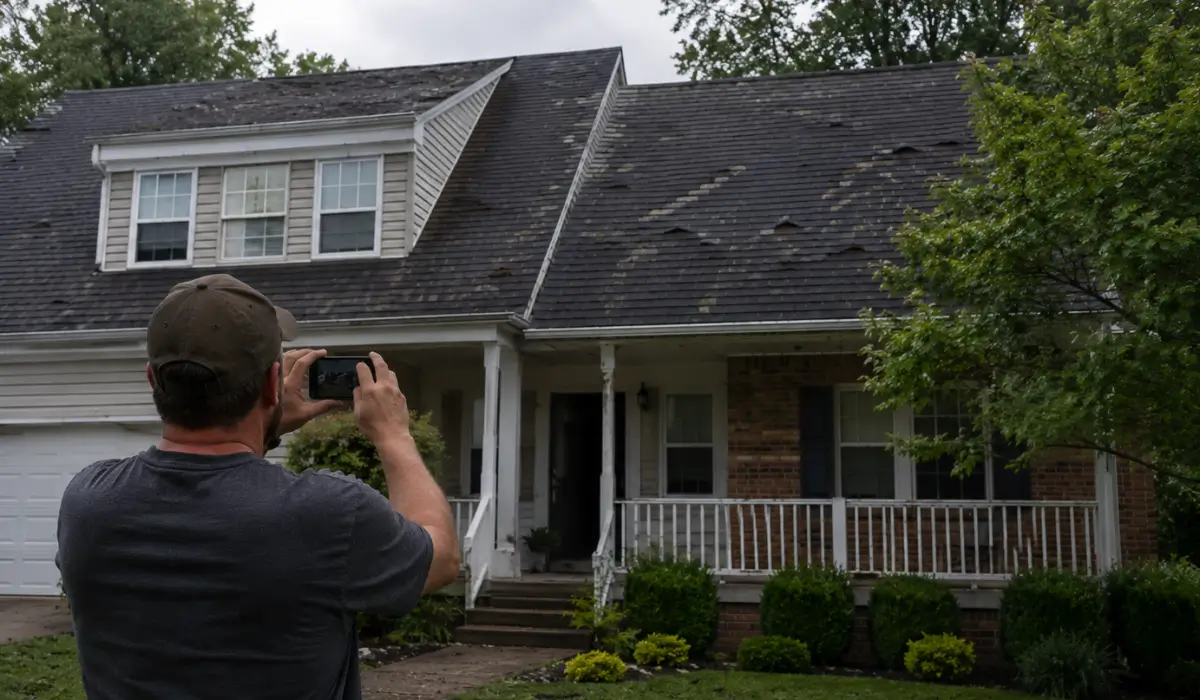










Roofing insurance claim Illinois homeowners file after a spring storm often succeeds or fails based on the steps taken during the first few days after damage occurs. Clear photos, professional inspections, and timely communication with your insurance company can help support a stronger claim and reduce delays.
Spring storms can leave behind damage that is not always visible from the ground. Proper documentation, timely inspections, and clear communication with your insurance company can make a significant difference in how a claim is reviewed.
Top Quality Roofing & Siding has served more than 900 homeowners throughout Illinois and has seen how accurate documentation, timely inspections, and thorough damage assessments can influence the outcome of a roofing insurance claim.
The first few actions following severe weather can affect both the condition of your roof and the outcome of your claim. A professional inspection helps determine whether the damage is minor, urgent, or significant enough to support an insurance claim IL.
Homeowner Documenting Storm Damage Before Filing a Roof Claim
First Steps After Storm Damage in Illinois
Storm damage is not always obvious from the ground, and some of the most expensive roofing problems begin as small issues that are easy to overlook. Taking the right steps following severe weather can help protect both your home and your claim.
Safety First: Protect People Before Property
Personal safety comes before roof inspections or cleanup efforts. Storm damage can create hazards around the property that may not be immediately visible following high winds, hail, or falling debris.
Watch for:
Fallen power lines
Sagging ceilings
Structural movement
Large tree limbs resting on the roof
Active water intrusion
Once conditions are safe, begin assessing the property and gathering information that may support your claim.
Document Roof Damage With Detailed Before and After Photos
Insurance companies rely heavily on visual evidence when evaluating storm-related claims. Take clear photos showing missing shingles, damaged flashing, dented gutters, siding damage, ceiling stains, fallen branches, and debris impacts.
Images captured from several viewpoints often provide a more complete picture of the damage and help adjusters understand what occurred. Clear before/after photos of the roof can also show how conditions changed following the storm.
Those who follow a spring roofing checklist often have older roof photos available for comparison, which can strengthen supporting documentation.
Avoid Cleaning Up Too Quickly
The urge to begin cleanup immediately following a storm is understandable, especially when debris is scattered across the property. While removing hazards makes sense, cleaning up too quickly can eliminate valuable evidence that may support the claim.
Photographs should be taken prior to removing damaged materials whenever possible. Debris, water stains, hail impacts, damaged shingles, and fallen branches may help establish the scope of the storm's impact and support a more accurate evaluation.
Quick Storm Damage Documentation Checklist
What to Document | Why It Matters |
Roof photos | Shows visible storm damage |
Interior stains | Connects roof damage to interior issues |
Damaged siding | Supports broader storm claims |
Fallen debris | Helps establish storm impact |
Temporary repairs | Shows mitigation efforts |
Storm damage often affects more than one part of the exterior. Our siding repair solutions can help identify additional damage that may qualify for coverage under the same claim.
A Simple Next Step
Roofing problems frequently remain hidden following severe weather because damage may not be visible from the ground. People searching for storm damage roof repair IL services are often surprised to find that damage appearing minor from the driveway reveals larger issues during a professional inspection.
Filing Your Roof Insurance Claim Step by Step
The claim process becomes easier when information is organized from the beginning. A structured approach helps avoid delays and provides insurance carriers with the information needed to review the claim efficiently.
Contact Your Insurance Company Promptly
Insurance carriers generally expect claims to be reported within a reasonable timeframe following the storm. Delaying the process can create additional questions and make it more difficult to verify the extent of the damage.
Gather your policy number, date of loss, photos, videos, and a description of the damage before contacting the insurance company. Providing complete information early often helps move the claim process forward more smoothly.
Submit Photos and Inspection Reports
Photos provide visual evidence, while inspection reports provide technical details that may not be visible from the ground. Combining both forms of documentation creates a stronger foundation for the claim review process.
Our roof repair specialists document wind damage, hail impacts, flashing failures, missing shingles, and water entry points so the full scope of the damage can be evaluated accurately.
An insurance roof claim IL often becomes easier to support when inspection findings, photographs, and repair records tell the same story.
One homeowner in DuPage County noticed only a few damaged shingles following a spring hailstorm. A closer inspection revealed impacts across multiple roof sections, allowing the full scope of damage to be documented before the adjuster inspection.
Another family focused only on visible roof damage while preparing a claim. During the inspection, damaged flashing surrounding a roof penetration was identified before a leak developed, allowing the issue to be included in the documentation before repair work began.
Reducing future storm damage often starts with understanding how roofing systems respond to severe weather over time. Our guide covering storm-proofing strategies explains practical steps that can help prepare for future storms.
Know Your Deductible and Coverage Limits
Claim disputes often begin when people assume certain damage is covered without reviewing policy details. Understanding coverage before the adjuster inspection can help eliminate surprises later.
Review your deductible, coverage limits, replacement cost provisions, actual cash value provisions, and exclusions. Insurance policies and claim requirements can change over time, so current policy details should always be reviewed.
What Insurance Typically Covers After Storm Damage
Most storm-related roofing claims involve sudden and accidental damage rather than wear and tear. Coverage depends on the policy, the condition of the roof before the storm, and the type of damage reported.
Insurance commonly covers:
Wind-damaged shingles
Hail impacts
Falling tree damage
Storm-created roof leaks
Damage caused by flying debris
Coverage is often limited or denied when damage is linked to aging materials, neglected maintenance, or pre-existing roof problems. Reviewing policy details before filing a claim can help set realistic expectations and reduce surprises during the review process.
Understand the Difference Between RCV and ACV
Insurance settlements are often based on either replacement cost value (RCV) or actual cash value (ACV).
Replacement cost value generally covers the cost of replacing damaged materials with similar materials at current market pricing, subject to policy terms and deductibles.
Actual cash value factors in depreciation. Older roofs may receive a lower payout because age and wear are considered when calculating the settlement amount.
Understanding whether your policy uses RCV or ACV can help explain differences between repair estimates and insurance payouts.
The Illinois Department of Insurance provides resources explaining consumer rights and claim procedures for Illinois residents.
The Role of Emergency Roof Repair
Water intrusion can continue damaging a home long after the storm ends. In some situations, emergency roof repair measures become necessary before permanent repairs are completed.
Temporary Protection Can Prevent Bigger Problems
A small roof leak can quickly become a larger issue when additional rain enters the home. Moisture can affect insulation, drywall, flooring, and structural components when left unaddressed.
Temporary protection may include roof tarping, leak sealing, debris removal, and other measures designed to reduce additional exposure. Most insurance policies expect reasonable steps to prevent avoidable damage following a storm.
Emergency Roof Repair and Insurance Documentation
Temporary repairs should be documented just as carefully as the original storm damage because insurance companies may request evidence showing why emergency work was necessary. Keep photos before repairs, photos after repairs, material receipts, and contractor invoices. These records can demonstrate that the work was completed to protect the property while preserving important evidence for the claim.
Emergency protection often serves two purposes. It helps reduce additional water damage while creating a record of actions taken following the storm. Our guide covering emergency roof tarping explains how temporary protection can help reduce additional damage while preserving documentation.
How Local Roofers Respond After Illinois Storms
Response time matters because weather conditions can continue causing damage after the initial storm passes. Fast inspections and temporary protection often reduce repair costs and help maintain stronger documentation.
We provide inspections and emergency response services throughout our local service areas, helping property owners secure their homes while preparing information for insurance carriers.
People comparing local roofers Naperville IL often look for roofing professionals familiar with Illinois storm patterns, insurance requirements, and post-storm repair needs.
Maximize Payouts With Contractor Support
Accurate damage assessments often influence claim outcomes more than people realize. A thorough inspection can identify issues that may otherwise be overlooked during the review process.
Let Your Contractor Meet With the Adjuster
Insurance adjusters work from the information available during the inspection. Contractor participation can provide additional context and help ensure the full scope of damage receives proper consideration.
Discussions often focus on overlooked damage, repair requirements, material specifications, and building code considerations that may affect the final scope of work. Clear communication during this stage frequently reduces misunderstandings later.
Common Mistakes That Reduce Claim Payouts
Several common mistakes can affect settlements.
Waiting too long to file
Taking limited photographs
Discarding damaged materials
Starting major repairs before documentation
Accepting estimates without review
Ignoring signs of hidden damage
Avoiding these mistakes can strengthen a claim and reduce disputes during the review process.
Get a Second Opinion on Low Estimates
Not every estimate captures the full extent of storm damage, especially when hidden issues are involved. A second inspection may reveal additional roof damage, flashing issues, ventilation concerns, siding damage, or water intrusion that was not included in the original scope.
Our company holds an Illinois Public Adjuster License and understands how inspections, documentation, and scope reviews contribute to accurate claim evaluations.
Those interested in our background, certifications, and experience serving Illinois communities can review our family-owned roofing company. The National Weather Service provides storm reporting resources that may help verify weather events when questions arise during the claims process.
What Homeowners Should Remember After a Storm
Spring storms can create both visible and hidden roofing damage, and the strongest claims are usually supported by prompt action and thorough preparation. People who document conditions carefully, schedule professional inspections, and address emergency concerns early often place themselves in a stronger position during the review process.
Understanding Your Options
Roof damage does not always require a full roof replacement. Some situations need targeted repairs, while others require broader restoration work that affects multiple areas of the home.
Choosing a roofing contractor following storm damage often feels difficult because estimates, repair recommendations, and insurance guidance can vary significantly. Our goal is to provide clear information so people can make informed decisions based on the condition of their roof.
Repair costs can become easier to manage with available financing options. Our guide covering financing plans for roof repairs explains available options for qualified applicants.
Understanding potential project costs before major work begins can also help with planning. Anyone comparing repair and replacement costs can use the roof replacement cost calculator to review ballpark estimates based on project details.
Roof damage from spring storms in Illinois does not need to drain your savings. Let us help you file your insurance claim, complete repairs quickly, and restore peace of mind. Call (630) 520-0576 to discuss your situation with our roofing specialists. 🔗 Roof Damage Consultation | Emergency Roof Services | Illinois Service Areas |
Roofing insurance claim Illinois homeowners file after a spring storm often succeeds or fails based on the steps taken during the first few days after damage occurs. Clear photos, professional inspections, and timely communication with your insurance company can help support a stronger claim and reduce delays.
Spring storms can leave behind damage that is not always visible from the ground. Proper documentation, timely inspections, and clear communication with your insurance company can make a significant difference in how a claim is reviewed.
Top Quality Roofing & Siding has served more than 900 homeowners throughout Illinois and has seen how accurate documentation, timely inspections, and thorough damage assessments can influence the outcome of a roofing insurance claim.
The first few actions following severe weather can affect both the condition of your roof and the outcome of your claim. A professional inspection helps determine whether the damage is minor, urgent, or significant enough to support an insurance claim IL.
Homeowner Documenting Storm Damage Before Filing a Roof Claim
First Steps After Storm Damage in Illinois
Storm damage is not always obvious from the ground, and some of the most expensive roofing problems begin as small issues that are easy to overlook. Taking the right steps following severe weather can help protect both your home and your claim.
Safety First: Protect People Before Property
Personal safety comes before roof inspections or cleanup efforts. Storm damage can create hazards around the property that may not be immediately visible following high winds, hail, or falling debris.
Watch for:
Fallen power lines
Sagging ceilings
Structural movement
Large tree limbs resting on the roof
Active water intrusion
Once conditions are safe, begin assessing the property and gathering information that may support your claim.
Document Roof Damage With Detailed Before and After Photos
Insurance companies rely heavily on visual evidence when evaluating storm-related claims. Take clear photos showing missing shingles, damaged flashing, dented gutters, siding damage, ceiling stains, fallen branches, and debris impacts.
Images captured from several viewpoints often provide a more complete picture of the damage and help adjusters understand what occurred. Clear before/after photos of the roof can also show how conditions changed following the storm.
Those who follow a spring roofing checklist often have older roof photos available for comparison, which can strengthen supporting documentation.
Avoid Cleaning Up Too Quickly
The urge to begin cleanup immediately following a storm is understandable, especially when debris is scattered across the property. While removing hazards makes sense, cleaning up too quickly can eliminate valuable evidence that may support the claim.
Photographs should be taken prior to removing damaged materials whenever possible. Debris, water stains, hail impacts, damaged shingles, and fallen branches may help establish the scope of the storm's impact and support a more accurate evaluation.
Quick Storm Damage Documentation Checklist
What to Document | Why It Matters |
Roof photos | Shows visible storm damage |
Interior stains | Connects roof damage to interior issues |
Damaged siding | Supports broader storm claims |
Fallen debris | Helps establish storm impact |
Temporary repairs | Shows mitigation efforts |
Storm damage often affects more than one part of the exterior. Our siding repair solutions can help identify additional damage that may qualify for coverage under the same claim.
A Simple Next Step
Roofing problems frequently remain hidden following severe weather because damage may not be visible from the ground. People searching for storm damage roof repair IL services are often surprised to find that damage appearing minor from the driveway reveals larger issues during a professional inspection.
Filing Your Roof Insurance Claim Step by Step
The claim process becomes easier when information is organized from the beginning. A structured approach helps avoid delays and provides insurance carriers with the information needed to review the claim efficiently.
Contact Your Insurance Company Promptly
Insurance carriers generally expect claims to be reported within a reasonable timeframe following the storm. Delaying the process can create additional questions and make it more difficult to verify the extent of the damage.
Gather your policy number, date of loss, photos, videos, and a description of the damage before contacting the insurance company. Providing complete information early often helps move the claim process forward more smoothly.
Submit Photos and Inspection Reports
Photos provide visual evidence, while inspection reports provide technical details that may not be visible from the ground. Combining both forms of documentation creates a stronger foundation for the claim review process.
Our roof repair specialists document wind damage, hail impacts, flashing failures, missing shingles, and water entry points so the full scope of the damage can be evaluated accurately.
An insurance roof claim IL often becomes easier to support when inspection findings, photographs, and repair records tell the same story.
One homeowner in DuPage County noticed only a few damaged shingles following a spring hailstorm. A closer inspection revealed impacts across multiple roof sections, allowing the full scope of damage to be documented before the adjuster inspection.
Another family focused only on visible roof damage while preparing a claim. During the inspection, damaged flashing surrounding a roof penetration was identified before a leak developed, allowing the issue to be included in the documentation before repair work began.
Reducing future storm damage often starts with understanding how roofing systems respond to severe weather over time. Our guide covering storm-proofing strategies explains practical steps that can help prepare for future storms.
Know Your Deductible and Coverage Limits
Claim disputes often begin when people assume certain damage is covered without reviewing policy details. Understanding coverage before the adjuster inspection can help eliminate surprises later.
Review your deductible, coverage limits, replacement cost provisions, actual cash value provisions, and exclusions. Insurance policies and claim requirements can change over time, so current policy details should always be reviewed.
What Insurance Typically Covers After Storm Damage
Most storm-related roofing claims involve sudden and accidental damage rather than wear and tear. Coverage depends on the policy, the condition of the roof before the storm, and the type of damage reported.
Insurance commonly covers:
Wind-damaged shingles
Hail impacts
Falling tree damage
Storm-created roof leaks
Damage caused by flying debris
Coverage is often limited or denied when damage is linked to aging materials, neglected maintenance, or pre-existing roof problems. Reviewing policy details before filing a claim can help set realistic expectations and reduce surprises during the review process.
Understand the Difference Between RCV and ACV
Insurance settlements are often based on either replacement cost value (RCV) or actual cash value (ACV).
Replacement cost value generally covers the cost of replacing damaged materials with similar materials at current market pricing, subject to policy terms and deductibles.
Actual cash value factors in depreciation. Older roofs may receive a lower payout because age and wear are considered when calculating the settlement amount.
Understanding whether your policy uses RCV or ACV can help explain differences between repair estimates and insurance payouts.
The Illinois Department of Insurance provides resources explaining consumer rights and claim procedures for Illinois residents.
The Role of Emergency Roof Repair
Water intrusion can continue damaging a home long after the storm ends. In some situations, emergency roof repair measures become necessary before permanent repairs are completed.
Temporary Protection Can Prevent Bigger Problems
A small roof leak can quickly become a larger issue when additional rain enters the home. Moisture can affect insulation, drywall, flooring, and structural components when left unaddressed.
Temporary protection may include roof tarping, leak sealing, debris removal, and other measures designed to reduce additional exposure. Most insurance policies expect reasonable steps to prevent avoidable damage following a storm.
Emergency Roof Repair and Insurance Documentation
Temporary repairs should be documented just as carefully as the original storm damage because insurance companies may request evidence showing why emergency work was necessary. Keep photos before repairs, photos after repairs, material receipts, and contractor invoices. These records can demonstrate that the work was completed to protect the property while preserving important evidence for the claim.
Emergency protection often serves two purposes. It helps reduce additional water damage while creating a record of actions taken following the storm. Our guide covering emergency roof tarping explains how temporary protection can help reduce additional damage while preserving documentation.
How Local Roofers Respond After Illinois Storms
Response time matters because weather conditions can continue causing damage after the initial storm passes. Fast inspections and temporary protection often reduce repair costs and help maintain stronger documentation.
We provide inspections and emergency response services throughout our local service areas, helping property owners secure their homes while preparing information for insurance carriers.
People comparing local roofers Naperville IL often look for roofing professionals familiar with Illinois storm patterns, insurance requirements, and post-storm repair needs.
Maximize Payouts With Contractor Support
Accurate damage assessments often influence claim outcomes more than people realize. A thorough inspection can identify issues that may otherwise be overlooked during the review process.
Let Your Contractor Meet With the Adjuster
Insurance adjusters work from the information available during the inspection. Contractor participation can provide additional context and help ensure the full scope of damage receives proper consideration.
Discussions often focus on overlooked damage, repair requirements, material specifications, and building code considerations that may affect the final scope of work. Clear communication during this stage frequently reduces misunderstandings later.
Common Mistakes That Reduce Claim Payouts
Several common mistakes can affect settlements.
Waiting too long to file
Taking limited photographs
Discarding damaged materials
Starting major repairs before documentation
Accepting estimates without review
Ignoring signs of hidden damage
Avoiding these mistakes can strengthen a claim and reduce disputes during the review process.
Get a Second Opinion on Low Estimates
Not every estimate captures the full extent of storm damage, especially when hidden issues are involved. A second inspection may reveal additional roof damage, flashing issues, ventilation concerns, siding damage, or water intrusion that was not included in the original scope.
Our company holds an Illinois Public Adjuster License and understands how inspections, documentation, and scope reviews contribute to accurate claim evaluations.
Those interested in our background, certifications, and experience serving Illinois communities can review our family-owned roofing company. The National Weather Service provides storm reporting resources that may help verify weather events when questions arise during the claims process.
What Homeowners Should Remember After a Storm
Spring storms can create both visible and hidden roofing damage, and the strongest claims are usually supported by prompt action and thorough preparation. People who document conditions carefully, schedule professional inspections, and address emergency concerns early often place themselves in a stronger position during the review process.
Understanding Your Options
Roof damage does not always require a full roof replacement. Some situations need targeted repairs, while others require broader restoration work that affects multiple areas of the home.
Choosing a roofing contractor following storm damage often feels difficult because estimates, repair recommendations, and insurance guidance can vary significantly. Our goal is to provide clear information so people can make informed decisions based on the condition of their roof.
Repair costs can become easier to manage with available financing options. Our guide covering financing plans for roof repairs explains available options for qualified applicants.
Understanding potential project costs before major work begins can also help with planning. Anyone comparing repair and replacement costs can use the roof replacement cost calculator to review ballpark estimates based on project details.
Roof damage from spring storms in Illinois does not need to drain your savings. Let us help you file your insurance claim, complete repairs quickly, and restore peace of mind. Call (630) 520-0576 to discuss your situation with our roofing specialists. 🔗 Roof Damage Consultation | Emergency Roof Services | Illinois Service Areas |
Roofing insurance claim Illinois homeowners file after a spring storm often succeeds or fails based on the steps taken during the first few days after damage occurs. Clear photos, professional inspections, and timely communication with your insurance company can help support a stronger claim and reduce delays.
Spring storms can leave behind damage that is not always visible from the ground. Proper documentation, timely inspections, and clear communication with your insurance company can make a significant difference in how a claim is reviewed.
Top Quality Roofing & Siding has served more than 900 homeowners throughout Illinois and has seen how accurate documentation, timely inspections, and thorough damage assessments can influence the outcome of a roofing insurance claim.
The first few actions following severe weather can affect both the condition of your roof and the outcome of your claim. A professional inspection helps determine whether the damage is minor, urgent, or significant enough to support an insurance claim IL.
Homeowner Documenting Storm Damage Before Filing a Roof Claim
First Steps After Storm Damage in Illinois
Storm damage is not always obvious from the ground, and some of the most expensive roofing problems begin as small issues that are easy to overlook. Taking the right steps following severe weather can help protect both your home and your claim.
Safety First: Protect People Before Property
Personal safety comes before roof inspections or cleanup efforts. Storm damage can create hazards around the property that may not be immediately visible following high winds, hail, or falling debris.
Watch for:
Fallen power lines
Sagging ceilings
Structural movement
Large tree limbs resting on the roof
Active water intrusion
Once conditions are safe, begin assessing the property and gathering information that may support your claim.
Document Roof Damage With Detailed Before and After Photos
Insurance companies rely heavily on visual evidence when evaluating storm-related claims. Take clear photos showing missing shingles, damaged flashing, dented gutters, siding damage, ceiling stains, fallen branches, and debris impacts.
Images captured from several viewpoints often provide a more complete picture of the damage and help adjusters understand what occurred. Clear before/after photos of the roof can also show how conditions changed following the storm.
Those who follow a spring roofing checklist often have older roof photos available for comparison, which can strengthen supporting documentation.
Avoid Cleaning Up Too Quickly
The urge to begin cleanup immediately following a storm is understandable, especially when debris is scattered across the property. While removing hazards makes sense, cleaning up too quickly can eliminate valuable evidence that may support the claim.
Photographs should be taken prior to removing damaged materials whenever possible. Debris, water stains, hail impacts, damaged shingles, and fallen branches may help establish the scope of the storm's impact and support a more accurate evaluation.
Quick Storm Damage Documentation Checklist
What to Document | Why It Matters |
Roof photos | Shows visible storm damage |
Interior stains | Connects roof damage to interior issues |
Damaged siding | Supports broader storm claims |
Fallen debris | Helps establish storm impact |
Temporary repairs | Shows mitigation efforts |
Storm damage often affects more than one part of the exterior. Our siding repair solutions can help identify additional damage that may qualify for coverage under the same claim.
A Simple Next Step
Roofing problems frequently remain hidden following severe weather because damage may not be visible from the ground. People searching for storm damage roof repair IL services are often surprised to find that damage appearing minor from the driveway reveals larger issues during a professional inspection.
Filing Your Roof Insurance Claim Step by Step
The claim process becomes easier when information is organized from the beginning. A structured approach helps avoid delays and provides insurance carriers with the information needed to review the claim efficiently.
Contact Your Insurance Company Promptly
Insurance carriers generally expect claims to be reported within a reasonable timeframe following the storm. Delaying the process can create additional questions and make it more difficult to verify the extent of the damage.
Gather your policy number, date of loss, photos, videos, and a description of the damage before contacting the insurance company. Providing complete information early often helps move the claim process forward more smoothly.
Submit Photos and Inspection Reports
Photos provide visual evidence, while inspection reports provide technical details that may not be visible from the ground. Combining both forms of documentation creates a stronger foundation for the claim review process.
Our roof repair specialists document wind damage, hail impacts, flashing failures, missing shingles, and water entry points so the full scope of the damage can be evaluated accurately.
An insurance roof claim IL often becomes easier to support when inspection findings, photographs, and repair records tell the same story.
One homeowner in DuPage County noticed only a few damaged shingles following a spring hailstorm. A closer inspection revealed impacts across multiple roof sections, allowing the full scope of damage to be documented before the adjuster inspection.
Another family focused only on visible roof damage while preparing a claim. During the inspection, damaged flashing surrounding a roof penetration was identified before a leak developed, allowing the issue to be included in the documentation before repair work began.
Reducing future storm damage often starts with understanding how roofing systems respond to severe weather over time. Our guide covering storm-proofing strategies explains practical steps that can help prepare for future storms.
Know Your Deductible and Coverage Limits
Claim disputes often begin when people assume certain damage is covered without reviewing policy details. Understanding coverage before the adjuster inspection can help eliminate surprises later.
Review your deductible, coverage limits, replacement cost provisions, actual cash value provisions, and exclusions. Insurance policies and claim requirements can change over time, so current policy details should always be reviewed.
What Insurance Typically Covers After Storm Damage
Most storm-related roofing claims involve sudden and accidental damage rather than wear and tear. Coverage depends on the policy, the condition of the roof before the storm, and the type of damage reported.
Insurance commonly covers:
Wind-damaged shingles
Hail impacts
Falling tree damage
Storm-created roof leaks
Damage caused by flying debris
Coverage is often limited or denied when damage is linked to aging materials, neglected maintenance, or pre-existing roof problems. Reviewing policy details before filing a claim can help set realistic expectations and reduce surprises during the review process.
Understand the Difference Between RCV and ACV
Insurance settlements are often based on either replacement cost value (RCV) or actual cash value (ACV).
Replacement cost value generally covers the cost of replacing damaged materials with similar materials at current market pricing, subject to policy terms and deductibles.
Actual cash value factors in depreciation. Older roofs may receive a lower payout because age and wear are considered when calculating the settlement amount.
Understanding whether your policy uses RCV or ACV can help explain differences between repair estimates and insurance payouts.
The Illinois Department of Insurance provides resources explaining consumer rights and claim procedures for Illinois residents.
The Role of Emergency Roof Repair
Water intrusion can continue damaging a home long after the storm ends. In some situations, emergency roof repair measures become necessary before permanent repairs are completed.
Temporary Protection Can Prevent Bigger Problems
A small roof leak can quickly become a larger issue when additional rain enters the home. Moisture can affect insulation, drywall, flooring, and structural components when left unaddressed.
Temporary protection may include roof tarping, leak sealing, debris removal, and other measures designed to reduce additional exposure. Most insurance policies expect reasonable steps to prevent avoidable damage following a storm.
Emergency Roof Repair and Insurance Documentation
Temporary repairs should be documented just as carefully as the original storm damage because insurance companies may request evidence showing why emergency work was necessary. Keep photos before repairs, photos after repairs, material receipts, and contractor invoices. These records can demonstrate that the work was completed to protect the property while preserving important evidence for the claim.
Emergency protection often serves two purposes. It helps reduce additional water damage while creating a record of actions taken following the storm. Our guide covering emergency roof tarping explains how temporary protection can help reduce additional damage while preserving documentation.
How Local Roofers Respond After Illinois Storms
Response time matters because weather conditions can continue causing damage after the initial storm passes. Fast inspections and temporary protection often reduce repair costs and help maintain stronger documentation.
We provide inspections and emergency response services throughout our local service areas, helping property owners secure their homes while preparing information for insurance carriers.
People comparing local roofers Naperville IL often look for roofing professionals familiar with Illinois storm patterns, insurance requirements, and post-storm repair needs.
Maximize Payouts With Contractor Support
Accurate damage assessments often influence claim outcomes more than people realize. A thorough inspection can identify issues that may otherwise be overlooked during the review process.
Let Your Contractor Meet With the Adjuster
Insurance adjusters work from the information available during the inspection. Contractor participation can provide additional context and help ensure the full scope of damage receives proper consideration.
Discussions often focus on overlooked damage, repair requirements, material specifications, and building code considerations that may affect the final scope of work. Clear communication during this stage frequently reduces misunderstandings later.
Common Mistakes That Reduce Claim Payouts
Several common mistakes can affect settlements.
Waiting too long to file
Taking limited photographs
Discarding damaged materials
Starting major repairs before documentation
Accepting estimates without review
Ignoring signs of hidden damage
Avoiding these mistakes can strengthen a claim and reduce disputes during the review process.
Get a Second Opinion on Low Estimates
Not every estimate captures the full extent of storm damage, especially when hidden issues are involved. A second inspection may reveal additional roof damage, flashing issues, ventilation concerns, siding damage, or water intrusion that was not included in the original scope.
Our company holds an Illinois Public Adjuster License and understands how inspections, documentation, and scope reviews contribute to accurate claim evaluations.
Those interested in our background, certifications, and experience serving Illinois communities can review our family-owned roofing company. The National Weather Service provides storm reporting resources that may help verify weather events when questions arise during the claims process.
What Homeowners Should Remember After a Storm
Spring storms can create both visible and hidden roofing damage, and the strongest claims are usually supported by prompt action and thorough preparation. People who document conditions carefully, schedule professional inspections, and address emergency concerns early often place themselves in a stronger position during the review process.
Understanding Your Options
Roof damage does not always require a full roof replacement. Some situations need targeted repairs, while others require broader restoration work that affects multiple areas of the home.
Choosing a roofing contractor following storm damage often feels difficult because estimates, repair recommendations, and insurance guidance can vary significantly. Our goal is to provide clear information so people can make informed decisions based on the condition of their roof.
Repair costs can become easier to manage with available financing options. Our guide covering financing plans for roof repairs explains available options for qualified applicants.
Understanding potential project costs before major work begins can also help with planning. Anyone comparing repair and replacement costs can use the roof replacement cost calculator to review ballpark estimates based on project details.
Roof damage from spring storms in Illinois does not need to drain your savings. Let us help you file your insurance claim, complete repairs quickly, and restore peace of mind. Call (630) 520-0576 to discuss your situation with our roofing specialists. 🔗 Roof Damage Consultation | Emergency Roof Services | Illinois Service Areas |
Roofing insurance claim Illinois homeowners file after a spring storm often succeeds or fails based on the steps taken during the first few days after damage occurs. Clear photos, professional inspections, and timely communication with your insurance company can help support a stronger claim and reduce delays.
Spring storms can leave behind damage that is not always visible from the ground. Proper documentation, timely inspections, and clear communication with your insurance company can make a significant difference in how a claim is reviewed.
Top Quality Roofing & Siding has served more than 900 homeowners throughout Illinois and has seen how accurate documentation, timely inspections, and thorough damage assessments can influence the outcome of a roofing insurance claim.
The first few actions following severe weather can affect both the condition of your roof and the outcome of your claim. A professional inspection helps determine whether the damage is minor, urgent, or significant enough to support an insurance claim IL.
Homeowner Documenting Storm Damage Before Filing a Roof Claim
First Steps After Storm Damage in Illinois
Storm damage is not always obvious from the ground, and some of the most expensive roofing problems begin as small issues that are easy to overlook. Taking the right steps following severe weather can help protect both your home and your claim.
Safety First: Protect People Before Property
Personal safety comes before roof inspections or cleanup efforts. Storm damage can create hazards around the property that may not be immediately visible following high winds, hail, or falling debris.
Watch for:
Fallen power lines
Sagging ceilings
Structural movement
Large tree limbs resting on the roof
Active water intrusion
Once conditions are safe, begin assessing the property and gathering information that may support your claim.
Document Roof Damage With Detailed Before and After Photos
Insurance companies rely heavily on visual evidence when evaluating storm-related claims. Take clear photos showing missing shingles, damaged flashing, dented gutters, siding damage, ceiling stains, fallen branches, and debris impacts.
Images captured from several viewpoints often provide a more complete picture of the damage and help adjusters understand what occurred. Clear before/after photos of the roof can also show how conditions changed following the storm.
Those who follow a spring roofing checklist often have older roof photos available for comparison, which can strengthen supporting documentation.
Avoid Cleaning Up Too Quickly
The urge to begin cleanup immediately following a storm is understandable, especially when debris is scattered across the property. While removing hazards makes sense, cleaning up too quickly can eliminate valuable evidence that may support the claim.
Photographs should be taken prior to removing damaged materials whenever possible. Debris, water stains, hail impacts, damaged shingles, and fallen branches may help establish the scope of the storm's impact and support a more accurate evaluation.
Quick Storm Damage Documentation Checklist
What to Document | Why It Matters |
Roof photos | Shows visible storm damage |
Interior stains | Connects roof damage to interior issues |
Damaged siding | Supports broader storm claims |
Fallen debris | Helps establish storm impact |
Temporary repairs | Shows mitigation efforts |
Storm damage often affects more than one part of the exterior. Our siding repair solutions can help identify additional damage that may qualify for coverage under the same claim.
A Simple Next Step
Roofing problems frequently remain hidden following severe weather because damage may not be visible from the ground. People searching for storm damage roof repair IL services are often surprised to find that damage appearing minor from the driveway reveals larger issues during a professional inspection.
Filing Your Roof Insurance Claim Step by Step
The claim process becomes easier when information is organized from the beginning. A structured approach helps avoid delays and provides insurance carriers with the information needed to review the claim efficiently.
Contact Your Insurance Company Promptly
Insurance carriers generally expect claims to be reported within a reasonable timeframe following the storm. Delaying the process can create additional questions and make it more difficult to verify the extent of the damage.
Gather your policy number, date of loss, photos, videos, and a description of the damage before contacting the insurance company. Providing complete information early often helps move the claim process forward more smoothly.
Submit Photos and Inspection Reports
Photos provide visual evidence, while inspection reports provide technical details that may not be visible from the ground. Combining both forms of documentation creates a stronger foundation for the claim review process.
Our roof repair specialists document wind damage, hail impacts, flashing failures, missing shingles, and water entry points so the full scope of the damage can be evaluated accurately.
An insurance roof claim IL often becomes easier to support when inspection findings, photographs, and repair records tell the same story.
One homeowner in DuPage County noticed only a few damaged shingles following a spring hailstorm. A closer inspection revealed impacts across multiple roof sections, allowing the full scope of damage to be documented before the adjuster inspection.
Another family focused only on visible roof damage while preparing a claim. During the inspection, damaged flashing surrounding a roof penetration was identified before a leak developed, allowing the issue to be included in the documentation before repair work began.
Reducing future storm damage often starts with understanding how roofing systems respond to severe weather over time. Our guide covering storm-proofing strategies explains practical steps that can help prepare for future storms.
Know Your Deductible and Coverage Limits
Claim disputes often begin when people assume certain damage is covered without reviewing policy details. Understanding coverage before the adjuster inspection can help eliminate surprises later.
Review your deductible, coverage limits, replacement cost provisions, actual cash value provisions, and exclusions. Insurance policies and claim requirements can change over time, so current policy details should always be reviewed.
What Insurance Typically Covers After Storm Damage
Most storm-related roofing claims involve sudden and accidental damage rather than wear and tear. Coverage depends on the policy, the condition of the roof before the storm, and the type of damage reported.
Insurance commonly covers:
Wind-damaged shingles
Hail impacts
Falling tree damage
Storm-created roof leaks
Damage caused by flying debris
Coverage is often limited or denied when damage is linked to aging materials, neglected maintenance, or pre-existing roof problems. Reviewing policy details before filing a claim can help set realistic expectations and reduce surprises during the review process.
Understand the Difference Between RCV and ACV
Insurance settlements are often based on either replacement cost value (RCV) or actual cash value (ACV).
Replacement cost value generally covers the cost of replacing damaged materials with similar materials at current market pricing, subject to policy terms and deductibles.
Actual cash value factors in depreciation. Older roofs may receive a lower payout because age and wear are considered when calculating the settlement amount.
Understanding whether your policy uses RCV or ACV can help explain differences between repair estimates and insurance payouts.
The Illinois Department of Insurance provides resources explaining consumer rights and claim procedures for Illinois residents.
The Role of Emergency Roof Repair
Water intrusion can continue damaging a home long after the storm ends. In some situations, emergency roof repair measures become necessary before permanent repairs are completed.
Temporary Protection Can Prevent Bigger Problems
A small roof leak can quickly become a larger issue when additional rain enters the home. Moisture can affect insulation, drywall, flooring, and structural components when left unaddressed.
Temporary protection may include roof tarping, leak sealing, debris removal, and other measures designed to reduce additional exposure. Most insurance policies expect reasonable steps to prevent avoidable damage following a storm.
Emergency Roof Repair and Insurance Documentation
Temporary repairs should be documented just as carefully as the original storm damage because insurance companies may request evidence showing why emergency work was necessary. Keep photos before repairs, photos after repairs, material receipts, and contractor invoices. These records can demonstrate that the work was completed to protect the property while preserving important evidence for the claim.
Emergency protection often serves two purposes. It helps reduce additional water damage while creating a record of actions taken following the storm. Our guide covering emergency roof tarping explains how temporary protection can help reduce additional damage while preserving documentation.
How Local Roofers Respond After Illinois Storms
Response time matters because weather conditions can continue causing damage after the initial storm passes. Fast inspections and temporary protection often reduce repair costs and help maintain stronger documentation.
We provide inspections and emergency response services throughout our local service areas, helping property owners secure their homes while preparing information for insurance carriers.
People comparing local roofers Naperville IL often look for roofing professionals familiar with Illinois storm patterns, insurance requirements, and post-storm repair needs.
Maximize Payouts With Contractor Support
Accurate damage assessments often influence claim outcomes more than people realize. A thorough inspection can identify issues that may otherwise be overlooked during the review process.
Let Your Contractor Meet With the Adjuster
Insurance adjusters work from the information available during the inspection. Contractor participation can provide additional context and help ensure the full scope of damage receives proper consideration.
Discussions often focus on overlooked damage, repair requirements, material specifications, and building code considerations that may affect the final scope of work. Clear communication during this stage frequently reduces misunderstandings later.
Common Mistakes That Reduce Claim Payouts
Several common mistakes can affect settlements.
Waiting too long to file
Taking limited photographs
Discarding damaged materials
Starting major repairs before documentation
Accepting estimates without review
Ignoring signs of hidden damage
Avoiding these mistakes can strengthen a claim and reduce disputes during the review process.
Get a Second Opinion on Low Estimates
Not every estimate captures the full extent of storm damage, especially when hidden issues are involved. A second inspection may reveal additional roof damage, flashing issues, ventilation concerns, siding damage, or water intrusion that was not included in the original scope.
Our company holds an Illinois Public Adjuster License and understands how inspections, documentation, and scope reviews contribute to accurate claim evaluations.
Those interested in our background, certifications, and experience serving Illinois communities can review our family-owned roofing company. The National Weather Service provides storm reporting resources that may help verify weather events when questions arise during the claims process.
What Homeowners Should Remember After a Storm
Spring storms can create both visible and hidden roofing damage, and the strongest claims are usually supported by prompt action and thorough preparation. People who document conditions carefully, schedule professional inspections, and address emergency concerns early often place themselves in a stronger position during the review process.
Understanding Your Options
Roof damage does not always require a full roof replacement. Some situations need targeted repairs, while others require broader restoration work that affects multiple areas of the home.
Choosing a roofing contractor following storm damage often feels difficult because estimates, repair recommendations, and insurance guidance can vary significantly. Our goal is to provide clear information so people can make informed decisions based on the condition of their roof.
Repair costs can become easier to manage with available financing options. Our guide covering financing plans for roof repairs explains available options for qualified applicants.
Understanding potential project costs before major work begins can also help with planning. Anyone comparing repair and replacement costs can use the roof replacement cost calculator to review ballpark estimates based on project details.
Roof damage from spring storms in Illinois does not need to drain your savings. Let us help you file your insurance claim, complete repairs quickly, and restore peace of mind. Call (630) 520-0576 to discuss your situation with our roofing specialists. 🔗 Roof Damage Consultation | Emergency Roof Services | Illinois Service Areas |


Pricing & financing



Copyright © 2025 Top Quality Roofing and Siding
Pricing & financing
Copyright © 2025 Top Quality Roofing and Siding
Pricing & financing

Copyright © 2025 Top Quality Roofing and Siding