
Free Estimates on New Roof, Siding, Gutter Replacements


Free Estimates on New Roof, Siding, Gutter Replacements
(630) 520-0576
Mon - Sat: 8am to 8pm

Commercial Roof Maintenance in IL Before Winter










Winter roofing problems can disrupt business operations quickly. For Illinois property managers, fall is the critical time to inspect commercial roofing systems, correct drainage issues, and address small defects before snow, ice, and repeated freeze-thaw cycles make them harder to manage.
A proactive commercial roof maintenance plan in IL can also help facility teams reduce emergency calls, protect tenants and equipment, and make more informed decisions about repairs and future capital improvements.
Why Commercial Roof Maintenance Matters Before Winter
Large low-slope surfaces, rooftop equipment, drains, flashing, and membrane seams create maintenance needs that differ from many residential roofing systems.
Regular commercial roof maintenance helps property managers catch drainage, membrane, flashing, and equipment-related problems before winter makes them harder to address.
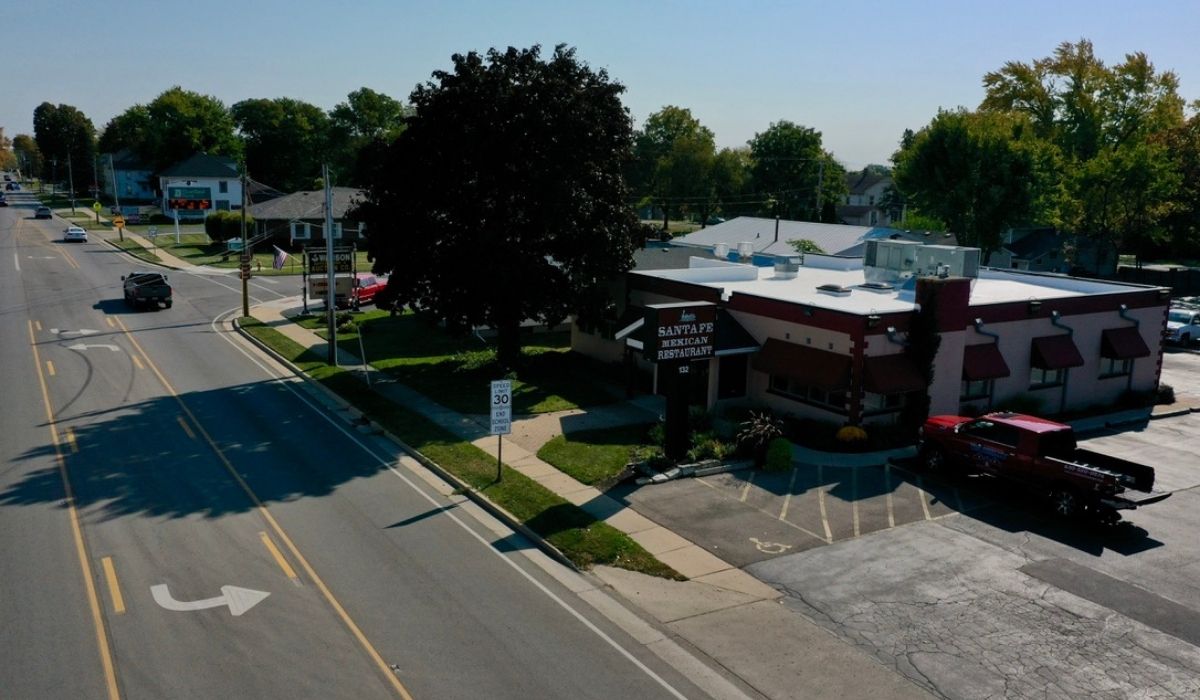
Low-slope commercial roofs require regular attention to drainage, membrane condition, flashing, and rooftop equipment before winter.
Flat and Low-Slope Roofs Manage Water Differently
Low-slope commercial roofs direct water toward drains, scuppers, or gutters rather than shedding it quickly. Blocked drains or low areas can allow water to remain on the roof and may signal drainage, insulation, or surface problems that deserve inspection.
Small Membrane Problems Can Become Larger in Winter
Commercial roofing membranes expand and contract as temperatures change.
A small puncture, open seam, damaged flashing detail, or weak repair area may become more vulnerable as Illinois moves through freezing and thawing conditions.
Water that enters a small opening can also affect insulation or underlying components before occupants notice a visible leak.
Finding these defects during a fall inspection gives property managers an opportunity to address them before harsher weather arrives.
Tenant Complaints May Be the First Visible Sign
Early warning signs may appear as:
Ceiling stains
Damp insulation
Musty odors
Water near exterior walls
Dripping around rooftop penetrations
Complaints after heavy rain
By the time tenants report a leak, moisture may already have traveled beyond the original entry point.
Routine seasonal inspections help property managers identify potential trouble before it becomes a recurring tenant issue.
The Most Common Problems Found During Fall Roof Inspections
Fall facility prep should include more than a quick visual check from the roof access point.
A proper inspection should review drainage, membrane condition, rooftop equipment areas, flashing, penetrations, and signs of trapped moisture.
Ponding Water Near Drains
Water remaining on the roof long after rainfall deserves attention.
Ponding may be caused by:
Clogged drains
Debris buildup
Compressed insulation
Roof settlement
Improper slope
Damaged drainage components
Persistent ponding can add weight to the roofing system and keep membrane surfaces wet for extended periods.
Before winter, drains and surrounding areas should be checked to make sure water can move freely off the roof.
Membrane Punctures and Surface Damage
Commercial roofs often experience foot traffic throughout the year.
HVAC technicians, maintenance teams, contractors, and other service personnel may all work around rooftop equipment.
Tools, dropped hardware, sharp debris, or repeated traffic can damage roofing membranes.
Summer heat can also contribute to movement and expansion within the roof assembly.
Fall inspections should look for cuts, punctures, open seams, surface cracks, loose materials, and previously repaired areas that may need additional attention.
Failing Flashing Around Rooftop HVAC Units
Rooftop HVAC units create multiple penetrations and transitions within a commercial roofing system.
These areas require careful flashing and sealing.
If flashing begins pulling away, sealant deteriorates, or water enters around a curb or penetration, leaks may appear inside mechanical rooms, offices, or occupied spaces.
Rooftop equipment areas should receive close attention during every commercial roof inspection.
Clogged Drainage Before Leaf Season Ends
Leaves and debris can block drains and scuppers before snowfall. Clearing these areas during fall maintenance helps melting snow move off the roof rather than collect around drainage points.
EPDM Roofing and Cold-Weather Performance
EPDM is commonly used on low-slope commercial roofing systems because it provides a flexible membrane that can perform across changing seasonal conditions when properly designed, installed, and maintained.
For property managers responsible for EPDM roofing in IL, fall is an important time to check membrane condition before extended cold weather.
Why EPDM Is Used on Commercial Buildings
EPDM is a synthetic rubber membrane commonly used on low-slope commercial roofs because of its flexibility and suitability for large roof areas. The complete system may also include insulation, cover boards, flashing, adhesives, seams, and drainage components.
Flexibility Matters During Temperature Changes
Illinois roofs experience substantial temperature changes between summer and winter.
Roofing materials expand and contract as temperatures rise and fall.
EPDM remains flexible in cold conditions, which is one reason it is widely used in climates that experience winter weather.
However, good material performance does not eliminate the need for maintenance.
Seams, penetrations, flashing, attachment points, drainage systems, and previous repairs should still be inspected regularly.
Commercial Roof Maintenance Before Snowfall
Once snow covers a commercial roof, visual inspections become more difficult.
Some defects can also remain hidden until melting snow or winter precipitation allows water to enter the building.
Before snowfall, check EPDM seams, flashing, penetrations, drains, previous repairs, and service areas. The broader inspection priorities below provide a practical facility checklist.
Documenting roof conditions in the fall can also make it easier to compare changes during future inspections.
Building Inspection Priorities Before Winter
A useful commercial roof inspection looks at how the entire roof system is performing, not just whether the surface appears intact.
Several areas deserve particular attention before winter.
Test Drainage Flow
Facility teams should confirm that drains, gutters, downspouts, and scuppers are open and functioning.
Water should be able to move away from the roof without backing up around penetrations or low areas.
Drain covers should also be checked for damage or displacement.
Inspect Rooftop Equipment
HVAC units, vents, exhaust systems, pipes, antennas, and other rooftop equipment create additional points where water can enter.
Property managers should check the roofing around these components for:
Loose flashing
Deteriorated sealant
Damaged curbs
Open penetrations
Debris accumulation
Signs of previous leakage
Service contractors should also avoid placing tools or equipment directly on unprotected membrane areas.
Evaluate Snow-Load Concerns
Commercial buildings vary widely in roof design, structure, age, and condition.
Property managers should understand whether their building has any known structural concerns before heavy snow arrives.
A roofing inspection can identify visible roof conditions, but questions about structural snow-load capacity may require evaluation by an appropriately qualified building or structural professional.
This distinction is important when managing older facilities or buildings with a history of structural modifications.
Check Insulation and Moisture Conditions
Moisture trapped within a commercial roof assembly can be difficult to identify from the surface.
Wet insulation can reduce thermal performance and may indicate an existing leak.
Depending on the building and roof system, professionals may use moisture surveys or other diagnostic methods to identify areas that deserve closer investigation.
A fall inspection can help determine whether isolated repairs are sufficient or whether more extensive roof work should be planned.
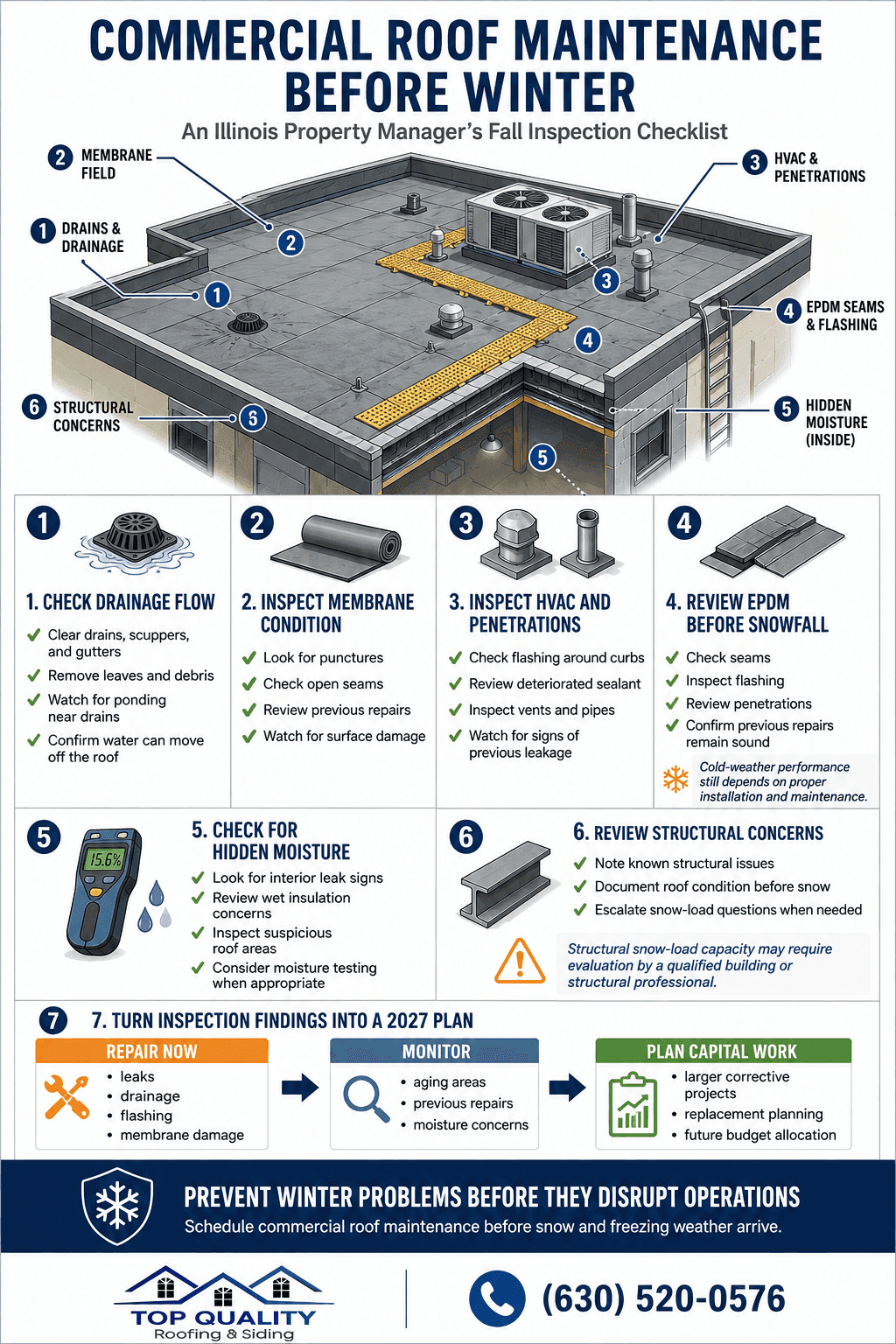
Illinois property managers can use this commercial roof maintenance checklist to review drainage, membrane condition, HVAC penetrations, EPDM seams, moisture, structural concerns, and 2027 planning before winter.
Creating a Preventative Roofing Budget for 2027
Fall inspection findings can help Illinois property managers build a more accurate 2027 maintenance and capital plan by separating urgent repairs from longer-term work.
Forecast Repairs Versus Replacement
Not every roof defect requires replacement.
Localized punctures, flashing problems, drainage issues, or isolated membrane damage may often be addressed through targeted repairs.
However, widespread deterioration, recurring leaks, saturated insulation, or repeated repair needs may indicate that replacement planning should begin.
A professional condition assessment can help property managers separate:
Immediate repairs
Preventative maintenance
Short-term corrective work
Longer-term replacement planning
This makes budgeting more predictable.
Reduce Dependence on Emergency Repairs
Winter roofing emergencies can create operational complications.
Snow, ice, high winds, short daylight hours, and difficult roof access may affect when work can be performed safely.
Emergency repairs can also interrupt tenants, staff, customers, inventory areas, or production spaces.
Planning corrective work during fall gives facility managers more control over scheduling and reduces the likelihood that a preventable issue becomes an urgent winter problem.
Plan Capital Improvements Early
A roof replacement is a significant facility project.
Early planning gives property managers more time to review system options, coordinate with ownership, schedule inspections, prepare budgets, and consider how roof work may affect building operations.
If a 2027 replacement is likely, a fall 2026 inspection provides useful information for budgeting before the project becomes urgent.
That is particularly valuable for multi-tenant buildings, commercial properties, industrial facilities, and sites where roof access must be coordinated with other contractors.
Build Winter Roof Maintenance Into Your Facility Plan
A neglected commercial roof can quickly become a business liability during an Illinois winter.
Blocked drains, damaged membranes, failing flashing, and hidden moisture problems can all become more difficult to address once snow and freezing temperatures arrive.
The most effective approach is to identify weaknesses while conditions still allow safe inspection and planned repairs.
For property managers responsible for commercial roofing in Downers Grove and surrounding Illinois communities, fall is an important opportunity to document roof conditions, clear drainage systems, review EPDM membrane areas, and determine which repairs should be completed before winter.
A well-planned inspection also provides valuable information for maintenance forecasting and 2027 capital planning.
Need a commercial roof inspection in Downers Grove before winter? Call Top Quality Roofing at (630) 520-0576 to schedule an inspection, or contact us to request service. |
Winter roofing problems can disrupt business operations quickly. For Illinois property managers, fall is the critical time to inspect commercial roofing systems, correct drainage issues, and address small defects before snow, ice, and repeated freeze-thaw cycles make them harder to manage.
A proactive commercial roof maintenance plan in IL can also help facility teams reduce emergency calls, protect tenants and equipment, and make more informed decisions about repairs and future capital improvements.
Why Commercial Roof Maintenance Matters Before Winter
Large low-slope surfaces, rooftop equipment, drains, flashing, and membrane seams create maintenance needs that differ from many residential roofing systems.
Regular commercial roof maintenance helps property managers catch drainage, membrane, flashing, and equipment-related problems before winter makes them harder to address.
Low-slope commercial roofs require regular attention to drainage, membrane condition, flashing, and rooftop equipment before winter.
Flat and Low-Slope Roofs Manage Water Differently
Low-slope commercial roofs direct water toward drains, scuppers, or gutters rather than shedding it quickly. Blocked drains or low areas can allow water to remain on the roof and may signal drainage, insulation, or surface problems that deserve inspection.
Small Membrane Problems Can Become Larger in Winter
Commercial roofing membranes expand and contract as temperatures change.
A small puncture, open seam, damaged flashing detail, or weak repair area may become more vulnerable as Illinois moves through freezing and thawing conditions.
Water that enters a small opening can also affect insulation or underlying components before occupants notice a visible leak.
Finding these defects during a fall inspection gives property managers an opportunity to address them before harsher weather arrives.
Tenant Complaints May Be the First Visible Sign
Early warning signs may appear as:
Ceiling stains
Damp insulation
Musty odors
Water near exterior walls
Dripping around rooftop penetrations
Complaints after heavy rain
By the time tenants report a leak, moisture may already have traveled beyond the original entry point.
Routine seasonal inspections help property managers identify potential trouble before it becomes a recurring tenant issue.
The Most Common Problems Found During Fall Roof Inspections
Fall facility prep should include more than a quick visual check from the roof access point.
A proper inspection should review drainage, membrane condition, rooftop equipment areas, flashing, penetrations, and signs of trapped moisture.
Ponding Water Near Drains
Water remaining on the roof long after rainfall deserves attention.
Ponding may be caused by:
Clogged drains
Debris buildup
Compressed insulation
Roof settlement
Improper slope
Damaged drainage components
Persistent ponding can add weight to the roofing system and keep membrane surfaces wet for extended periods.
Before winter, drains and surrounding areas should be checked to make sure water can move freely off the roof.
Membrane Punctures and Surface Damage
Commercial roofs often experience foot traffic throughout the year.
HVAC technicians, maintenance teams, contractors, and other service personnel may all work around rooftop equipment.
Tools, dropped hardware, sharp debris, or repeated traffic can damage roofing membranes.
Summer heat can also contribute to movement and expansion within the roof assembly.
Fall inspections should look for cuts, punctures, open seams, surface cracks, loose materials, and previously repaired areas that may need additional attention.
Failing Flashing Around Rooftop HVAC Units
Rooftop HVAC units create multiple penetrations and transitions within a commercial roofing system.
These areas require careful flashing and sealing.
If flashing begins pulling away, sealant deteriorates, or water enters around a curb or penetration, leaks may appear inside mechanical rooms, offices, or occupied spaces.
Rooftop equipment areas should receive close attention during every commercial roof inspection.
Clogged Drainage Before Leaf Season Ends
Leaves and debris can block drains and scuppers before snowfall. Clearing these areas during fall maintenance helps melting snow move off the roof rather than collect around drainage points.
EPDM Roofing and Cold-Weather Performance
EPDM is commonly used on low-slope commercial roofing systems because it provides a flexible membrane that can perform across changing seasonal conditions when properly designed, installed, and maintained.
For property managers responsible for EPDM roofing in IL, fall is an important time to check membrane condition before extended cold weather.
Why EPDM Is Used on Commercial Buildings
EPDM is a synthetic rubber membrane commonly used on low-slope commercial roofs because of its flexibility and suitability for large roof areas. The complete system may also include insulation, cover boards, flashing, adhesives, seams, and drainage components.
Flexibility Matters During Temperature Changes
Illinois roofs experience substantial temperature changes between summer and winter.
Roofing materials expand and contract as temperatures rise and fall.
EPDM remains flexible in cold conditions, which is one reason it is widely used in climates that experience winter weather.
However, good material performance does not eliminate the need for maintenance.
Seams, penetrations, flashing, attachment points, drainage systems, and previous repairs should still be inspected regularly.
Commercial Roof Maintenance Before Snowfall
Once snow covers a commercial roof, visual inspections become more difficult.
Some defects can also remain hidden until melting snow or winter precipitation allows water to enter the building.
Before snowfall, check EPDM seams, flashing, penetrations, drains, previous repairs, and service areas. The broader inspection priorities below provide a practical facility checklist.
Documenting roof conditions in the fall can also make it easier to compare changes during future inspections.
Building Inspection Priorities Before Winter
A useful commercial roof inspection looks at how the entire roof system is performing, not just whether the surface appears intact.
Several areas deserve particular attention before winter.
Test Drainage Flow
Facility teams should confirm that drains, gutters, downspouts, and scuppers are open and functioning.
Water should be able to move away from the roof without backing up around penetrations or low areas.
Drain covers should also be checked for damage or displacement.
Inspect Rooftop Equipment
HVAC units, vents, exhaust systems, pipes, antennas, and other rooftop equipment create additional points where water can enter.
Property managers should check the roofing around these components for:
Loose flashing
Deteriorated sealant
Damaged curbs
Open penetrations
Debris accumulation
Signs of previous leakage
Service contractors should also avoid placing tools or equipment directly on unprotected membrane areas.
Evaluate Snow-Load Concerns
Commercial buildings vary widely in roof design, structure, age, and condition.
Property managers should understand whether their building has any known structural concerns before heavy snow arrives.
A roofing inspection can identify visible roof conditions, but questions about structural snow-load capacity may require evaluation by an appropriately qualified building or structural professional.
This distinction is important when managing older facilities or buildings with a history of structural modifications.
Check Insulation and Moisture Conditions
Moisture trapped within a commercial roof assembly can be difficult to identify from the surface.
Wet insulation can reduce thermal performance and may indicate an existing leak.
Depending on the building and roof system, professionals may use moisture surveys or other diagnostic methods to identify areas that deserve closer investigation.
A fall inspection can help determine whether isolated repairs are sufficient or whether more extensive roof work should be planned.
Illinois property managers can use this commercial roof maintenance checklist to review drainage, membrane condition, HVAC penetrations, EPDM seams, moisture, structural concerns, and 2027 planning before winter.
Creating a Preventative Roofing Budget for 2027
Fall inspection findings can help Illinois property managers build a more accurate 2027 maintenance and capital plan by separating urgent repairs from longer-term work.
Forecast Repairs Versus Replacement
Not every roof defect requires replacement.
Localized punctures, flashing problems, drainage issues, or isolated membrane damage may often be addressed through targeted repairs.
However, widespread deterioration, recurring leaks, saturated insulation, or repeated repair needs may indicate that replacement planning should begin.
A professional condition assessment can help property managers separate:
Immediate repairs
Preventative maintenance
Short-term corrective work
Longer-term replacement planning
This makes budgeting more predictable.
Reduce Dependence on Emergency Repairs
Winter roofing emergencies can create operational complications.
Snow, ice, high winds, short daylight hours, and difficult roof access may affect when work can be performed safely.
Emergency repairs can also interrupt tenants, staff, customers, inventory areas, or production spaces.
Planning corrective work during fall gives facility managers more control over scheduling and reduces the likelihood that a preventable issue becomes an urgent winter problem.
Plan Capital Improvements Early
A roof replacement is a significant facility project.
Early planning gives property managers more time to review system options, coordinate with ownership, schedule inspections, prepare budgets, and consider how roof work may affect building operations.
If a 2027 replacement is likely, a fall 2026 inspection provides useful information for budgeting before the project becomes urgent.
That is particularly valuable for multi-tenant buildings, commercial properties, industrial facilities, and sites where roof access must be coordinated with other contractors.
Build Winter Roof Maintenance Into Your Facility Plan
A neglected commercial roof can quickly become a business liability during an Illinois winter.
Blocked drains, damaged membranes, failing flashing, and hidden moisture problems can all become more difficult to address once snow and freezing temperatures arrive.
The most effective approach is to identify weaknesses while conditions still allow safe inspection and planned repairs.
For property managers responsible for commercial roofing in Downers Grove and surrounding Illinois communities, fall is an important opportunity to document roof conditions, clear drainage systems, review EPDM membrane areas, and determine which repairs should be completed before winter.
A well-planned inspection also provides valuable information for maintenance forecasting and 2027 capital planning.
Need a commercial roof inspection in Downers Grove before winter? Call Top Quality Roofing at (630) 520-0576 to schedule an inspection, or contact us to request service. |
Winter roofing problems can disrupt business operations quickly. For Illinois property managers, fall is the critical time to inspect commercial roofing systems, correct drainage issues, and address small defects before snow, ice, and repeated freeze-thaw cycles make them harder to manage.
A proactive commercial roof maintenance plan in IL can also help facility teams reduce emergency calls, protect tenants and equipment, and make more informed decisions about repairs and future capital improvements.
Why Commercial Roof Maintenance Matters Before Winter
Large low-slope surfaces, rooftop equipment, drains, flashing, and membrane seams create maintenance needs that differ from many residential roofing systems.
Regular commercial roof maintenance helps property managers catch drainage, membrane, flashing, and equipment-related problems before winter makes them harder to address.
Low-slope commercial roofs require regular attention to drainage, membrane condition, flashing, and rooftop equipment before winter.
Flat and Low-Slope Roofs Manage Water Differently
Low-slope commercial roofs direct water toward drains, scuppers, or gutters rather than shedding it quickly. Blocked drains or low areas can allow water to remain on the roof and may signal drainage, insulation, or surface problems that deserve inspection.
Small Membrane Problems Can Become Larger in Winter
Commercial roofing membranes expand and contract as temperatures change.
A small puncture, open seam, damaged flashing detail, or weak repair area may become more vulnerable as Illinois moves through freezing and thawing conditions.
Water that enters a small opening can also affect insulation or underlying components before occupants notice a visible leak.
Finding these defects during a fall inspection gives property managers an opportunity to address them before harsher weather arrives.
Tenant Complaints May Be the First Visible Sign
Early warning signs may appear as:
Ceiling stains
Damp insulation
Musty odors
Water near exterior walls
Dripping around rooftop penetrations
Complaints after heavy rain
By the time tenants report a leak, moisture may already have traveled beyond the original entry point.
Routine seasonal inspections help property managers identify potential trouble before it becomes a recurring tenant issue.
The Most Common Problems Found During Fall Roof Inspections
Fall facility prep should include more than a quick visual check from the roof access point.
A proper inspection should review drainage, membrane condition, rooftop equipment areas, flashing, penetrations, and signs of trapped moisture.
Ponding Water Near Drains
Water remaining on the roof long after rainfall deserves attention.
Ponding may be caused by:
Clogged drains
Debris buildup
Compressed insulation
Roof settlement
Improper slope
Damaged drainage components
Persistent ponding can add weight to the roofing system and keep membrane surfaces wet for extended periods.
Before winter, drains and surrounding areas should be checked to make sure water can move freely off the roof.
Membrane Punctures and Surface Damage
Commercial roofs often experience foot traffic throughout the year.
HVAC technicians, maintenance teams, contractors, and other service personnel may all work around rooftop equipment.
Tools, dropped hardware, sharp debris, or repeated traffic can damage roofing membranes.
Summer heat can also contribute to movement and expansion within the roof assembly.
Fall inspections should look for cuts, punctures, open seams, surface cracks, loose materials, and previously repaired areas that may need additional attention.
Failing Flashing Around Rooftop HVAC Units
Rooftop HVAC units create multiple penetrations and transitions within a commercial roofing system.
These areas require careful flashing and sealing.
If flashing begins pulling away, sealant deteriorates, or water enters around a curb or penetration, leaks may appear inside mechanical rooms, offices, or occupied spaces.
Rooftop equipment areas should receive close attention during every commercial roof inspection.
Clogged Drainage Before Leaf Season Ends
Leaves and debris can block drains and scuppers before snowfall. Clearing these areas during fall maintenance helps melting snow move off the roof rather than collect around drainage points.
EPDM Roofing and Cold-Weather Performance
EPDM is commonly used on low-slope commercial roofing systems because it provides a flexible membrane that can perform across changing seasonal conditions when properly designed, installed, and maintained.
For property managers responsible for EPDM roofing in IL, fall is an important time to check membrane condition before extended cold weather.
Why EPDM Is Used on Commercial Buildings
EPDM is a synthetic rubber membrane commonly used on low-slope commercial roofs because of its flexibility and suitability for large roof areas. The complete system may also include insulation, cover boards, flashing, adhesives, seams, and drainage components.
Flexibility Matters During Temperature Changes
Illinois roofs experience substantial temperature changes between summer and winter.
Roofing materials expand and contract as temperatures rise and fall.
EPDM remains flexible in cold conditions, which is one reason it is widely used in climates that experience winter weather.
However, good material performance does not eliminate the need for maintenance.
Seams, penetrations, flashing, attachment points, drainage systems, and previous repairs should still be inspected regularly.
Commercial Roof Maintenance Before Snowfall
Once snow covers a commercial roof, visual inspections become more difficult.
Some defects can also remain hidden until melting snow or winter precipitation allows water to enter the building.
Before snowfall, check EPDM seams, flashing, penetrations, drains, previous repairs, and service areas. The broader inspection priorities below provide a practical facility checklist.
Documenting roof conditions in the fall can also make it easier to compare changes during future inspections.
Building Inspection Priorities Before Winter
A useful commercial roof inspection looks at how the entire roof system is performing, not just whether the surface appears intact.
Several areas deserve particular attention before winter.
Test Drainage Flow
Facility teams should confirm that drains, gutters, downspouts, and scuppers are open and functioning.
Water should be able to move away from the roof without backing up around penetrations or low areas.
Drain covers should also be checked for damage or displacement.
Inspect Rooftop Equipment
HVAC units, vents, exhaust systems, pipes, antennas, and other rooftop equipment create additional points where water can enter.
Property managers should check the roofing around these components for:
Loose flashing
Deteriorated sealant
Damaged curbs
Open penetrations
Debris accumulation
Signs of previous leakage
Service contractors should also avoid placing tools or equipment directly on unprotected membrane areas.
Evaluate Snow-Load Concerns
Commercial buildings vary widely in roof design, structure, age, and condition.
Property managers should understand whether their building has any known structural concerns before heavy snow arrives.
A roofing inspection can identify visible roof conditions, but questions about structural snow-load capacity may require evaluation by an appropriately qualified building or structural professional.
This distinction is important when managing older facilities or buildings with a history of structural modifications.
Check Insulation and Moisture Conditions
Moisture trapped within a commercial roof assembly can be difficult to identify from the surface.
Wet insulation can reduce thermal performance and may indicate an existing leak.
Depending on the building and roof system, professionals may use moisture surveys or other diagnostic methods to identify areas that deserve closer investigation.
A fall inspection can help determine whether isolated repairs are sufficient or whether more extensive roof work should be planned.
Illinois property managers can use this commercial roof maintenance checklist to review drainage, membrane condition, HVAC penetrations, EPDM seams, moisture, structural concerns, and 2027 planning before winter.
Creating a Preventative Roofing Budget for 2027
Fall inspection findings can help Illinois property managers build a more accurate 2027 maintenance and capital plan by separating urgent repairs from longer-term work.
Forecast Repairs Versus Replacement
Not every roof defect requires replacement.
Localized punctures, flashing problems, drainage issues, or isolated membrane damage may often be addressed through targeted repairs.
However, widespread deterioration, recurring leaks, saturated insulation, or repeated repair needs may indicate that replacement planning should begin.
A professional condition assessment can help property managers separate:
Immediate repairs
Preventative maintenance
Short-term corrective work
Longer-term replacement planning
This makes budgeting more predictable.
Reduce Dependence on Emergency Repairs
Winter roofing emergencies can create operational complications.
Snow, ice, high winds, short daylight hours, and difficult roof access may affect when work can be performed safely.
Emergency repairs can also interrupt tenants, staff, customers, inventory areas, or production spaces.
Planning corrective work during fall gives facility managers more control over scheduling and reduces the likelihood that a preventable issue becomes an urgent winter problem.
Plan Capital Improvements Early
A roof replacement is a significant facility project.
Early planning gives property managers more time to review system options, coordinate with ownership, schedule inspections, prepare budgets, and consider how roof work may affect building operations.
If a 2027 replacement is likely, a fall 2026 inspection provides useful information for budgeting before the project becomes urgent.
That is particularly valuable for multi-tenant buildings, commercial properties, industrial facilities, and sites where roof access must be coordinated with other contractors.
Build Winter Roof Maintenance Into Your Facility Plan
A neglected commercial roof can quickly become a business liability during an Illinois winter.
Blocked drains, damaged membranes, failing flashing, and hidden moisture problems can all become more difficult to address once snow and freezing temperatures arrive.
The most effective approach is to identify weaknesses while conditions still allow safe inspection and planned repairs.
For property managers responsible for commercial roofing in Downers Grove and surrounding Illinois communities, fall is an important opportunity to document roof conditions, clear drainage systems, review EPDM membrane areas, and determine which repairs should be completed before winter.
A well-planned inspection also provides valuable information for maintenance forecasting and 2027 capital planning.
Need a commercial roof inspection in Downers Grove before winter? Call Top Quality Roofing at (630) 520-0576 to schedule an inspection, or contact us to request service. |
Winter roofing problems can disrupt business operations quickly. For Illinois property managers, fall is the critical time to inspect commercial roofing systems, correct drainage issues, and address small defects before snow, ice, and repeated freeze-thaw cycles make them harder to manage.
A proactive commercial roof maintenance plan in IL can also help facility teams reduce emergency calls, protect tenants and equipment, and make more informed decisions about repairs and future capital improvements.
Why Commercial Roof Maintenance Matters Before Winter
Large low-slope surfaces, rooftop equipment, drains, flashing, and membrane seams create maintenance needs that differ from many residential roofing systems.
Regular commercial roof maintenance helps property managers catch drainage, membrane, flashing, and equipment-related problems before winter makes them harder to address.
Low-slope commercial roofs require regular attention to drainage, membrane condition, flashing, and rooftop equipment before winter.
Flat and Low-Slope Roofs Manage Water Differently
Low-slope commercial roofs direct water toward drains, scuppers, or gutters rather than shedding it quickly. Blocked drains or low areas can allow water to remain on the roof and may signal drainage, insulation, or surface problems that deserve inspection.
Small Membrane Problems Can Become Larger in Winter
Commercial roofing membranes expand and contract as temperatures change.
A small puncture, open seam, damaged flashing detail, or weak repair area may become more vulnerable as Illinois moves through freezing and thawing conditions.
Water that enters a small opening can also affect insulation or underlying components before occupants notice a visible leak.
Finding these defects during a fall inspection gives property managers an opportunity to address them before harsher weather arrives.
Tenant Complaints May Be the First Visible Sign
Early warning signs may appear as:
Ceiling stains
Damp insulation
Musty odors
Water near exterior walls
Dripping around rooftop penetrations
Complaints after heavy rain
By the time tenants report a leak, moisture may already have traveled beyond the original entry point.
Routine seasonal inspections help property managers identify potential trouble before it becomes a recurring tenant issue.
The Most Common Problems Found During Fall Roof Inspections
Fall facility prep should include more than a quick visual check from the roof access point.
A proper inspection should review drainage, membrane condition, rooftop equipment areas, flashing, penetrations, and signs of trapped moisture.
Ponding Water Near Drains
Water remaining on the roof long after rainfall deserves attention.
Ponding may be caused by:
Clogged drains
Debris buildup
Compressed insulation
Roof settlement
Improper slope
Damaged drainage components
Persistent ponding can add weight to the roofing system and keep membrane surfaces wet for extended periods.
Before winter, drains and surrounding areas should be checked to make sure water can move freely off the roof.
Membrane Punctures and Surface Damage
Commercial roofs often experience foot traffic throughout the year.
HVAC technicians, maintenance teams, contractors, and other service personnel may all work around rooftop equipment.
Tools, dropped hardware, sharp debris, or repeated traffic can damage roofing membranes.
Summer heat can also contribute to movement and expansion within the roof assembly.
Fall inspections should look for cuts, punctures, open seams, surface cracks, loose materials, and previously repaired areas that may need additional attention.
Failing Flashing Around Rooftop HVAC Units
Rooftop HVAC units create multiple penetrations and transitions within a commercial roofing system.
These areas require careful flashing and sealing.
If flashing begins pulling away, sealant deteriorates, or water enters around a curb or penetration, leaks may appear inside mechanical rooms, offices, or occupied spaces.
Rooftop equipment areas should receive close attention during every commercial roof inspection.
Clogged Drainage Before Leaf Season Ends
Leaves and debris can block drains and scuppers before snowfall. Clearing these areas during fall maintenance helps melting snow move off the roof rather than collect around drainage points.
EPDM Roofing and Cold-Weather Performance
EPDM is commonly used on low-slope commercial roofing systems because it provides a flexible membrane that can perform across changing seasonal conditions when properly designed, installed, and maintained.
For property managers responsible for EPDM roofing in IL, fall is an important time to check membrane condition before extended cold weather.
Why EPDM Is Used on Commercial Buildings
EPDM is a synthetic rubber membrane commonly used on low-slope commercial roofs because of its flexibility and suitability for large roof areas. The complete system may also include insulation, cover boards, flashing, adhesives, seams, and drainage components.
Flexibility Matters During Temperature Changes
Illinois roofs experience substantial temperature changes between summer and winter.
Roofing materials expand and contract as temperatures rise and fall.
EPDM remains flexible in cold conditions, which is one reason it is widely used in climates that experience winter weather.
However, good material performance does not eliminate the need for maintenance.
Seams, penetrations, flashing, attachment points, drainage systems, and previous repairs should still be inspected regularly.
Commercial Roof Maintenance Before Snowfall
Once snow covers a commercial roof, visual inspections become more difficult.
Some defects can also remain hidden until melting snow or winter precipitation allows water to enter the building.
Before snowfall, check EPDM seams, flashing, penetrations, drains, previous repairs, and service areas. The broader inspection priorities below provide a practical facility checklist.
Documenting roof conditions in the fall can also make it easier to compare changes during future inspections.
Building Inspection Priorities Before Winter
A useful commercial roof inspection looks at how the entire roof system is performing, not just whether the surface appears intact.
Several areas deserve particular attention before winter.
Test Drainage Flow
Facility teams should confirm that drains, gutters, downspouts, and scuppers are open and functioning.
Water should be able to move away from the roof without backing up around penetrations or low areas.
Drain covers should also be checked for damage or displacement.
Inspect Rooftop Equipment
HVAC units, vents, exhaust systems, pipes, antennas, and other rooftop equipment create additional points where water can enter.
Property managers should check the roofing around these components for:
Loose flashing
Deteriorated sealant
Damaged curbs
Open penetrations
Debris accumulation
Signs of previous leakage
Service contractors should also avoid placing tools or equipment directly on unprotected membrane areas.
Evaluate Snow-Load Concerns
Commercial buildings vary widely in roof design, structure, age, and condition.
Property managers should understand whether their building has any known structural concerns before heavy snow arrives.
A roofing inspection can identify visible roof conditions, but questions about structural snow-load capacity may require evaluation by an appropriately qualified building or structural professional.
This distinction is important when managing older facilities or buildings with a history of structural modifications.
Check Insulation and Moisture Conditions
Moisture trapped within a commercial roof assembly can be difficult to identify from the surface.
Wet insulation can reduce thermal performance and may indicate an existing leak.
Depending on the building and roof system, professionals may use moisture surveys or other diagnostic methods to identify areas that deserve closer investigation.
A fall inspection can help determine whether isolated repairs are sufficient or whether more extensive roof work should be planned.
Illinois property managers can use this commercial roof maintenance checklist to review drainage, membrane condition, HVAC penetrations, EPDM seams, moisture, structural concerns, and 2027 planning before winter.
Creating a Preventative Roofing Budget for 2027
Fall inspection findings can help Illinois property managers build a more accurate 2027 maintenance and capital plan by separating urgent repairs from longer-term work.
Forecast Repairs Versus Replacement
Not every roof defect requires replacement.
Localized punctures, flashing problems, drainage issues, or isolated membrane damage may often be addressed through targeted repairs.
However, widespread deterioration, recurring leaks, saturated insulation, or repeated repair needs may indicate that replacement planning should begin.
A professional condition assessment can help property managers separate:
Immediate repairs
Preventative maintenance
Short-term corrective work
Longer-term replacement planning
This makes budgeting more predictable.
Reduce Dependence on Emergency Repairs
Winter roofing emergencies can create operational complications.
Snow, ice, high winds, short daylight hours, and difficult roof access may affect when work can be performed safely.
Emergency repairs can also interrupt tenants, staff, customers, inventory areas, or production spaces.
Planning corrective work during fall gives facility managers more control over scheduling and reduces the likelihood that a preventable issue becomes an urgent winter problem.
Plan Capital Improvements Early
A roof replacement is a significant facility project.
Early planning gives property managers more time to review system options, coordinate with ownership, schedule inspections, prepare budgets, and consider how roof work may affect building operations.
If a 2027 replacement is likely, a fall 2026 inspection provides useful information for budgeting before the project becomes urgent.
That is particularly valuable for multi-tenant buildings, commercial properties, industrial facilities, and sites where roof access must be coordinated with other contractors.
Build Winter Roof Maintenance Into Your Facility Plan
A neglected commercial roof can quickly become a business liability during an Illinois winter.
Blocked drains, damaged membranes, failing flashing, and hidden moisture problems can all become more difficult to address once snow and freezing temperatures arrive.
The most effective approach is to identify weaknesses while conditions still allow safe inspection and planned repairs.
For property managers responsible for commercial roofing in Downers Grove and surrounding Illinois communities, fall is an important opportunity to document roof conditions, clear drainage systems, review EPDM membrane areas, and determine which repairs should be completed before winter.
A well-planned inspection also provides valuable information for maintenance forecasting and 2027 capital planning.
Need a commercial roof inspection in Downers Grove before winter? Call Top Quality Roofing at (630) 520-0576 to schedule an inspection, or contact us to request service. |


Pricing & financing



Copyright © 2025 Top Quality Roofing and Siding
Pricing & financing
Copyright © 2025 Top Quality Roofing and Siding
Pricing & financing

Copyright © 2025 Top Quality Roofing and Siding