
Free Estimates on New Roof, Siding, Gutter Replacements


Free Estimates on New Roof, Siding, Gutter Replacements
(630) 520-0576
Mon - Sat: 8am to 8pm

Late-Summer Roof Inspection: What to Fix Before Fall in Illinois
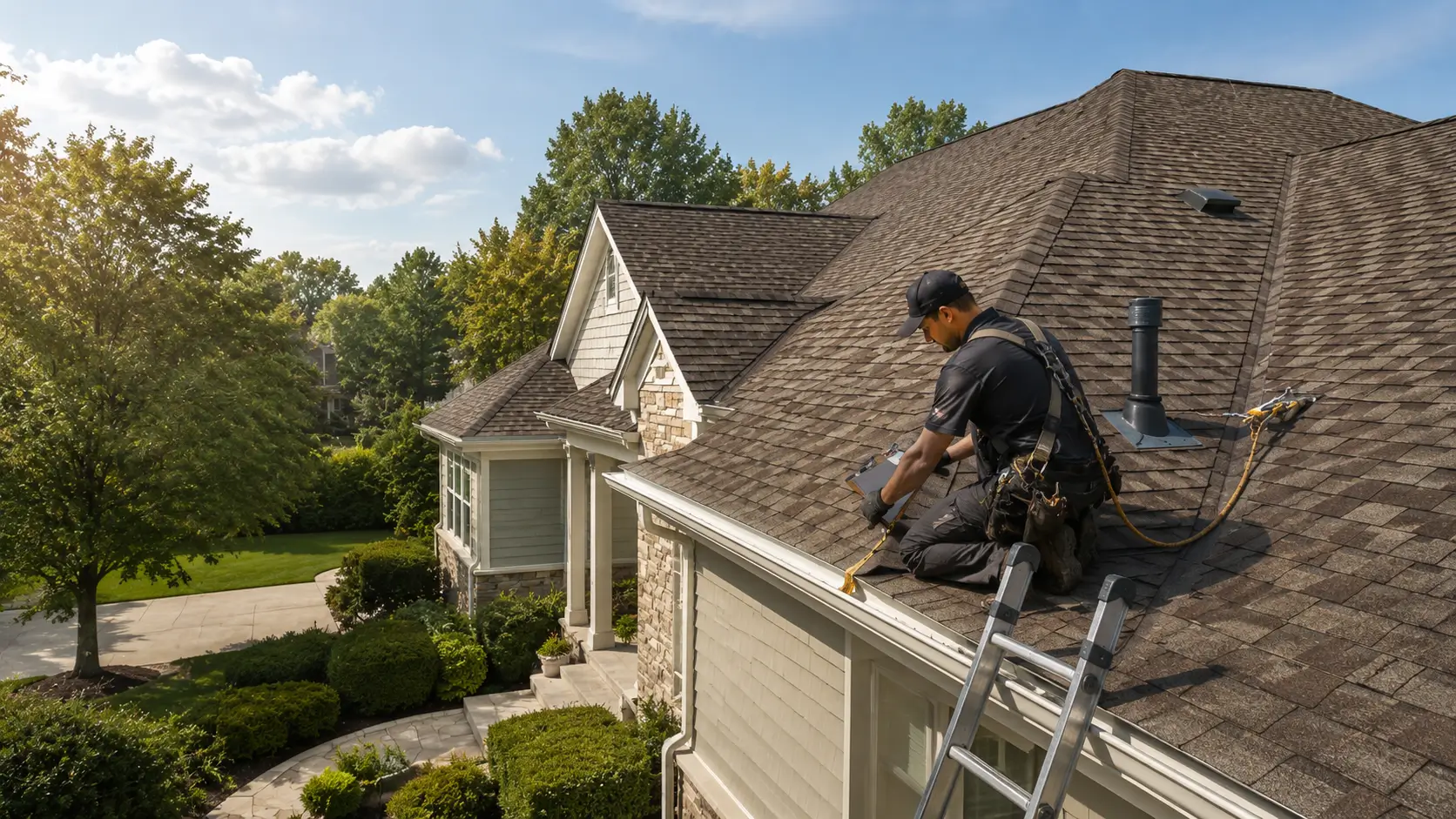










Illinois homeowners who schedule a roof inspection before fall can catch leaks, ventilation problems, and weakened roofing materials before colder weather makes them harder to manage.
After months of heat, humidity, rain, and storms, August offers a useful opportunity to see how well your roof has held up—and to address trouble before the seasons change.
A late-summer roof inspection can identify shingle, flashing and ventilation issues before fall weather arrives
Why Late Summer Is the “Last Warning Window” for Roof Problems
Illinois roofs go through changing conditions throughout the year. By late summer, months of heat, direct sunlight, rain, humidity, and wind may have exposed weaknesses that were less obvious during spring.
August heat can be particularly useful for spotting roofing materials that are beginning to show wear.
Shingles may curl, blister, loosen, or lose granules after prolonged exposure to heat and UV rays. Sealants around roof penetrations can also begin to crack or separate.
These problems may not cause an immediate leak, but fall storms can turn a small weakness into a more serious opening.
A minor summer leak can also become worse once repeated rainfall reaches the same vulnerable area. Moisture may work its way under shingles, around flashing, or into roof decking.
The Most Overlooked Roof Leak Signs
A roof leak does not always begin with water dripping from the ceiling.
Some of the earliest roof leak signs are subtle, especially when water enters slowly or only during certain types of rain.
Slight Ceiling Discoloration After Rain
A faint yellow, brown, or gray spot on a ceiling can indicate moisture entering somewhere above the room.
The source may not be directly above the stain because water can travel along framing or other surfaces before becoming visible.
Any new discoloration that appears or grows after rainfall deserves attention.
Damp Attic Smell During Humid Mornings
Your attic can reveal roofing problems before they become visible inside living spaces.
A damp, musty smell may point to excess moisture, limited airflow, or water entering through a vulnerable part of the roof.
Homeowners should also watch for darkened wood, damp insulation, or moisture around roof penetrations.
Loose Flashing Hidden Beneath Debris
Flashing helps direct water away from vulnerable areas such as chimneys, walls, valleys, and roof penetrations.
Leaves, twigs, and other debris can hide sections that have lifted, shifted, or separated.
Loose flashing can create a path for water even when nearby shingles appear to be in good condition.
Tiny Granule Piles Near Downspouts
Asphalt shingles naturally lose some granules over time.
Large or increasing amounts of granules collecting near gutters or downspouts, however, may indicate that certain shingles are wearing faster than expected.
Granule loss can reduce the shingle surface's protection from sunlight and weather.
Your Late-Summer Roof Checklist
A practical late summer checklist should focus on the places where water, heat, and debris are most likely to cause problems.
Homeowners can safely observe many areas from the ground or attic, while a roofing professional can examine sections that require roof access.

Four roof areas to check before fall: valleys and pipe boots, attic airflow, gutters, and shingle condition. Leave roof access to a professional.
Inspect Roof Valleys and Pipe Boots
Look for debris in valleys and visible cracking or gaps around pipe boots. These areas deserve professional attention when seals appear damaged.
Check Attic Airflow During Hot Afternoons
Notice excessive heat, moisture, or blocked soffit and exhaust vents. These warning signs can point to an airflow problem worth having assessed.
Examine Gutters for Sagging Sections
Gutters play an important role in moving rainwater away from the roof edge and foundation.
Look for sections that sag, pull away from the fascia, overflow, or hold standing debris.
Clogged or damaged gutters can allow water to back up near the roofline.
Look for Shingle Blistering From UV Exposure
Long periods of summer sun can make existing shingle problems easier to notice.
Blistering, cracking, curling, or visibly damaged areas should be inspected more closely.
Avoid walking on the roof to check these areas yourself. A professional inspection is safer and provides a closer look at sections that may not be visible from the ground.
Repairs That Shouldn’t Wait Until Fall
Not every roof issue requires immediate major work.
Certain problems, however, should be addressed before repeated fall rain and colder weather make them more difficult to repair.
Minor Flashing Separation
A small gap around flashing may look insignificant, but flashing protects some of the roof's most leak-prone areas.
Repairing separation early can help prevent water from reaching the materials beneath the roof covering.
Soft Decking Near Chimneys
Soft or weakened decking can indicate that moisture has affected the wood below the shingles.
Chimneys are common areas for water-entry problems because several materials and joints meet in one location.
A roofer can inspect the surrounding shingles, flashing, sealants, and decking to determine where the moisture is coming from.
Improperly Sealed Roof Penetrations
Plumbing vents, exhaust vents, skylights, and other roof penetrations require proper sealing.
Cracked boots, deteriorated sealants, or gaps around these areas can allow water to enter during wind-driven rain.
These openings should be corrected before seasonal weather becomes more severe.
Ventilation Imbalance Causing Attic Heat Buildup
Roof condition and attic ventilation are closely connected.
An attic without balanced intake and exhaust ventilation can retain excess heat and moisture.
A roofing professional can check whether vents are blocked, undersized, poorly placed, or otherwise contributing to uneven airflow.
One of the most useful pre-fall roofing tips is to address both visible roof damage and the attic conditions that may be contributing to it.
Why Local Roofing Contractors Matter Before Fall
Working with roofing contractors in Warrenville can be especially useful when preparing a home for seasonal weather.
Local contractors regularly work with roofing systems exposed to Illinois conditions and can identify common problem areas before they turn into urgent repairs.
Faster Turnaround Before Storm Season
If the inspection identifies a minor repair, completing it before fall storms arrive may prevent a more inconvenient problem later.
Familiarity With Illinois Weather Patterns
Local roofers understand how changing temperatures, strong rain, summer heat, wind, and winter conditions can affect roofing materials in the area.
That experience can help them focus an inspection on vulnerabilities that matter to Illinois homes.
Easier Emergency Support if Storms Arrive Early
Severe weather does not always follow a convenient schedule.
Having an established relationship with a local roofing company can make it easier to know who to contact if unexpected roof damage occurs later in the season.
A late-summer inspection also creates a useful baseline. If storm damage happens afterward, you already have a better understanding of the roof's previous condition.
Schedule Your Illinois Roof Inspection Before FallSmall roofing problems are easier to address before colder weather and fall storms put additional stress on the system. A late-summer inspection gives you time to find what needs attention and handle necessary repairs before seasonal schedules become busier. Schedule your roof inspection in Warrenville before fall demand increases. Call (630) 520-0576 to book your inspection. |
Illinois homeowners who schedule a roof inspection before fall can catch leaks, ventilation problems, and weakened roofing materials before colder weather makes them harder to manage.
After months of heat, humidity, rain, and storms, August offers a useful opportunity to see how well your roof has held up—and to address trouble before the seasons change.
A late-summer roof inspection can identify shingle, flashing and ventilation issues before fall weather arrives
Why Late Summer Is the “Last Warning Window” for Roof Problems
Illinois roofs go through changing conditions throughout the year. By late summer, months of heat, direct sunlight, rain, humidity, and wind may have exposed weaknesses that were less obvious during spring.
August heat can be particularly useful for spotting roofing materials that are beginning to show wear.
Shingles may curl, blister, loosen, or lose granules after prolonged exposure to heat and UV rays. Sealants around roof penetrations can also begin to crack or separate.
These problems may not cause an immediate leak, but fall storms can turn a small weakness into a more serious opening.
A minor summer leak can also become worse once repeated rainfall reaches the same vulnerable area. Moisture may work its way under shingles, around flashing, or into roof decking.
The Most Overlooked Roof Leak Signs
A roof leak does not always begin with water dripping from the ceiling.
Some of the earliest roof leak signs are subtle, especially when water enters slowly or only during certain types of rain.
Slight Ceiling Discoloration After Rain
A faint yellow, brown, or gray spot on a ceiling can indicate moisture entering somewhere above the room.
The source may not be directly above the stain because water can travel along framing or other surfaces before becoming visible.
Any new discoloration that appears or grows after rainfall deserves attention.
Damp Attic Smell During Humid Mornings
Your attic can reveal roofing problems before they become visible inside living spaces.
A damp, musty smell may point to excess moisture, limited airflow, or water entering through a vulnerable part of the roof.
Homeowners should also watch for darkened wood, damp insulation, or moisture around roof penetrations.
Loose Flashing Hidden Beneath Debris
Flashing helps direct water away from vulnerable areas such as chimneys, walls, valleys, and roof penetrations.
Leaves, twigs, and other debris can hide sections that have lifted, shifted, or separated.
Loose flashing can create a path for water even when nearby shingles appear to be in good condition.
Tiny Granule Piles Near Downspouts
Asphalt shingles naturally lose some granules over time.
Large or increasing amounts of granules collecting near gutters or downspouts, however, may indicate that certain shingles are wearing faster than expected.
Granule loss can reduce the shingle surface's protection from sunlight and weather.
Your Late-Summer Roof Checklist
A practical late summer checklist should focus on the places where water, heat, and debris are most likely to cause problems.
Homeowners can safely observe many areas from the ground or attic, while a roofing professional can examine sections that require roof access.
Four roof areas to check before fall: valleys and pipe boots, attic airflow, gutters, and shingle condition. Leave roof access to a professional.
Inspect Roof Valleys and Pipe Boots
Look for debris in valleys and visible cracking or gaps around pipe boots. These areas deserve professional attention when seals appear damaged.
Check Attic Airflow During Hot Afternoons
Notice excessive heat, moisture, or blocked soffit and exhaust vents. These warning signs can point to an airflow problem worth having assessed.
Examine Gutters for Sagging Sections
Gutters play an important role in moving rainwater away from the roof edge and foundation.
Look for sections that sag, pull away from the fascia, overflow, or hold standing debris.
Clogged or damaged gutters can allow water to back up near the roofline.
Look for Shingle Blistering From UV Exposure
Long periods of summer sun can make existing shingle problems easier to notice.
Blistering, cracking, curling, or visibly damaged areas should be inspected more closely.
Avoid walking on the roof to check these areas yourself. A professional inspection is safer and provides a closer look at sections that may not be visible from the ground.
Repairs That Shouldn’t Wait Until Fall
Not every roof issue requires immediate major work.
Certain problems, however, should be addressed before repeated fall rain and colder weather make them more difficult to repair.
Minor Flashing Separation
A small gap around flashing may look insignificant, but flashing protects some of the roof's most leak-prone areas.
Repairing separation early can help prevent water from reaching the materials beneath the roof covering.
Soft Decking Near Chimneys
Soft or weakened decking can indicate that moisture has affected the wood below the shingles.
Chimneys are common areas for water-entry problems because several materials and joints meet in one location.
A roofer can inspect the surrounding shingles, flashing, sealants, and decking to determine where the moisture is coming from.
Improperly Sealed Roof Penetrations
Plumbing vents, exhaust vents, skylights, and other roof penetrations require proper sealing.
Cracked boots, deteriorated sealants, or gaps around these areas can allow water to enter during wind-driven rain.
These openings should be corrected before seasonal weather becomes more severe.
Ventilation Imbalance Causing Attic Heat Buildup
Roof condition and attic ventilation are closely connected.
An attic without balanced intake and exhaust ventilation can retain excess heat and moisture.
A roofing professional can check whether vents are blocked, undersized, poorly placed, or otherwise contributing to uneven airflow.
One of the most useful pre-fall roofing tips is to address both visible roof damage and the attic conditions that may be contributing to it.
Why Local Roofing Contractors Matter Before Fall
Working with roofing contractors in Warrenville can be especially useful when preparing a home for seasonal weather.
Local contractors regularly work with roofing systems exposed to Illinois conditions and can identify common problem areas before they turn into urgent repairs.
Faster Turnaround Before Storm Season
If the inspection identifies a minor repair, completing it before fall storms arrive may prevent a more inconvenient problem later.
Familiarity With Illinois Weather Patterns
Local roofers understand how changing temperatures, strong rain, summer heat, wind, and winter conditions can affect roofing materials in the area.
That experience can help them focus an inspection on vulnerabilities that matter to Illinois homes.
Easier Emergency Support if Storms Arrive Early
Severe weather does not always follow a convenient schedule.
Having an established relationship with a local roofing company can make it easier to know who to contact if unexpected roof damage occurs later in the season.
A late-summer inspection also creates a useful baseline. If storm damage happens afterward, you already have a better understanding of the roof's previous condition.
Schedule Your Illinois Roof Inspection Before FallSmall roofing problems are easier to address before colder weather and fall storms put additional stress on the system. A late-summer inspection gives you time to find what needs attention and handle necessary repairs before seasonal schedules become busier. Schedule your roof inspection in Warrenville before fall demand increases. Call (630) 520-0576 to book your inspection. |
Illinois homeowners who schedule a roof inspection before fall can catch leaks, ventilation problems, and weakened roofing materials before colder weather makes them harder to manage.
After months of heat, humidity, rain, and storms, August offers a useful opportunity to see how well your roof has held up—and to address trouble before the seasons change.
A late-summer roof inspection can identify shingle, flashing and ventilation issues before fall weather arrives
Why Late Summer Is the “Last Warning Window” for Roof Problems
Illinois roofs go through changing conditions throughout the year. By late summer, months of heat, direct sunlight, rain, humidity, and wind may have exposed weaknesses that were less obvious during spring.
August heat can be particularly useful for spotting roofing materials that are beginning to show wear.
Shingles may curl, blister, loosen, or lose granules after prolonged exposure to heat and UV rays. Sealants around roof penetrations can also begin to crack or separate.
These problems may not cause an immediate leak, but fall storms can turn a small weakness into a more serious opening.
A minor summer leak can also become worse once repeated rainfall reaches the same vulnerable area. Moisture may work its way under shingles, around flashing, or into roof decking.
The Most Overlooked Roof Leak Signs
A roof leak does not always begin with water dripping from the ceiling.
Some of the earliest roof leak signs are subtle, especially when water enters slowly or only during certain types of rain.
Slight Ceiling Discoloration After Rain
A faint yellow, brown, or gray spot on a ceiling can indicate moisture entering somewhere above the room.
The source may not be directly above the stain because water can travel along framing or other surfaces before becoming visible.
Any new discoloration that appears or grows after rainfall deserves attention.
Damp Attic Smell During Humid Mornings
Your attic can reveal roofing problems before they become visible inside living spaces.
A damp, musty smell may point to excess moisture, limited airflow, or water entering through a vulnerable part of the roof.
Homeowners should also watch for darkened wood, damp insulation, or moisture around roof penetrations.
Loose Flashing Hidden Beneath Debris
Flashing helps direct water away from vulnerable areas such as chimneys, walls, valleys, and roof penetrations.
Leaves, twigs, and other debris can hide sections that have lifted, shifted, or separated.
Loose flashing can create a path for water even when nearby shingles appear to be in good condition.
Tiny Granule Piles Near Downspouts
Asphalt shingles naturally lose some granules over time.
Large or increasing amounts of granules collecting near gutters or downspouts, however, may indicate that certain shingles are wearing faster than expected.
Granule loss can reduce the shingle surface's protection from sunlight and weather.
Your Late-Summer Roof Checklist
A practical late summer checklist should focus on the places where water, heat, and debris are most likely to cause problems.
Homeowners can safely observe many areas from the ground or attic, while a roofing professional can examine sections that require roof access.
Four roof areas to check before fall: valleys and pipe boots, attic airflow, gutters, and shingle condition. Leave roof access to a professional.
Inspect Roof Valleys and Pipe Boots
Look for debris in valleys and visible cracking or gaps around pipe boots. These areas deserve professional attention when seals appear damaged.
Check Attic Airflow During Hot Afternoons
Notice excessive heat, moisture, or blocked soffit and exhaust vents. These warning signs can point to an airflow problem worth having assessed.
Examine Gutters for Sagging Sections
Gutters play an important role in moving rainwater away from the roof edge and foundation.
Look for sections that sag, pull away from the fascia, overflow, or hold standing debris.
Clogged or damaged gutters can allow water to back up near the roofline.
Look for Shingle Blistering From UV Exposure
Long periods of summer sun can make existing shingle problems easier to notice.
Blistering, cracking, curling, or visibly damaged areas should be inspected more closely.
Avoid walking on the roof to check these areas yourself. A professional inspection is safer and provides a closer look at sections that may not be visible from the ground.
Repairs That Shouldn’t Wait Until Fall
Not every roof issue requires immediate major work.
Certain problems, however, should be addressed before repeated fall rain and colder weather make them more difficult to repair.
Minor Flashing Separation
A small gap around flashing may look insignificant, but flashing protects some of the roof's most leak-prone areas.
Repairing separation early can help prevent water from reaching the materials beneath the roof covering.
Soft Decking Near Chimneys
Soft or weakened decking can indicate that moisture has affected the wood below the shingles.
Chimneys are common areas for water-entry problems because several materials and joints meet in one location.
A roofer can inspect the surrounding shingles, flashing, sealants, and decking to determine where the moisture is coming from.
Improperly Sealed Roof Penetrations
Plumbing vents, exhaust vents, skylights, and other roof penetrations require proper sealing.
Cracked boots, deteriorated sealants, or gaps around these areas can allow water to enter during wind-driven rain.
These openings should be corrected before seasonal weather becomes more severe.
Ventilation Imbalance Causing Attic Heat Buildup
Roof condition and attic ventilation are closely connected.
An attic without balanced intake and exhaust ventilation can retain excess heat and moisture.
A roofing professional can check whether vents are blocked, undersized, poorly placed, or otherwise contributing to uneven airflow.
One of the most useful pre-fall roofing tips is to address both visible roof damage and the attic conditions that may be contributing to it.
Why Local Roofing Contractors Matter Before Fall
Working with roofing contractors in Warrenville can be especially useful when preparing a home for seasonal weather.
Local contractors regularly work with roofing systems exposed to Illinois conditions and can identify common problem areas before they turn into urgent repairs.
Faster Turnaround Before Storm Season
If the inspection identifies a minor repair, completing it before fall storms arrive may prevent a more inconvenient problem later.
Familiarity With Illinois Weather Patterns
Local roofers understand how changing temperatures, strong rain, summer heat, wind, and winter conditions can affect roofing materials in the area.
That experience can help them focus an inspection on vulnerabilities that matter to Illinois homes.
Easier Emergency Support if Storms Arrive Early
Severe weather does not always follow a convenient schedule.
Having an established relationship with a local roofing company can make it easier to know who to contact if unexpected roof damage occurs later in the season.
A late-summer inspection also creates a useful baseline. If storm damage happens afterward, you already have a better understanding of the roof's previous condition.
Schedule Your Illinois Roof Inspection Before FallSmall roofing problems are easier to address before colder weather and fall storms put additional stress on the system. A late-summer inspection gives you time to find what needs attention and handle necessary repairs before seasonal schedules become busier. Schedule your roof inspection in Warrenville before fall demand increases. Call (630) 520-0576 to book your inspection. |
Illinois homeowners who schedule a roof inspection before fall can catch leaks, ventilation problems, and weakened roofing materials before colder weather makes them harder to manage.
After months of heat, humidity, rain, and storms, August offers a useful opportunity to see how well your roof has held up—and to address trouble before the seasons change.
A late-summer roof inspection can identify shingle, flashing and ventilation issues before fall weather arrives
Why Late Summer Is the “Last Warning Window” for Roof Problems
Illinois roofs go through changing conditions throughout the year. By late summer, months of heat, direct sunlight, rain, humidity, and wind may have exposed weaknesses that were less obvious during spring.
August heat can be particularly useful for spotting roofing materials that are beginning to show wear.
Shingles may curl, blister, loosen, or lose granules after prolonged exposure to heat and UV rays. Sealants around roof penetrations can also begin to crack or separate.
These problems may not cause an immediate leak, but fall storms can turn a small weakness into a more serious opening.
A minor summer leak can also become worse once repeated rainfall reaches the same vulnerable area. Moisture may work its way under shingles, around flashing, or into roof decking.
The Most Overlooked Roof Leak Signs
A roof leak does not always begin with water dripping from the ceiling.
Some of the earliest roof leak signs are subtle, especially when water enters slowly or only during certain types of rain.
Slight Ceiling Discoloration After Rain
A faint yellow, brown, or gray spot on a ceiling can indicate moisture entering somewhere above the room.
The source may not be directly above the stain because water can travel along framing or other surfaces before becoming visible.
Any new discoloration that appears or grows after rainfall deserves attention.
Damp Attic Smell During Humid Mornings
Your attic can reveal roofing problems before they become visible inside living spaces.
A damp, musty smell may point to excess moisture, limited airflow, or water entering through a vulnerable part of the roof.
Homeowners should also watch for darkened wood, damp insulation, or moisture around roof penetrations.
Loose Flashing Hidden Beneath Debris
Flashing helps direct water away from vulnerable areas such as chimneys, walls, valleys, and roof penetrations.
Leaves, twigs, and other debris can hide sections that have lifted, shifted, or separated.
Loose flashing can create a path for water even when nearby shingles appear to be in good condition.
Tiny Granule Piles Near Downspouts
Asphalt shingles naturally lose some granules over time.
Large or increasing amounts of granules collecting near gutters or downspouts, however, may indicate that certain shingles are wearing faster than expected.
Granule loss can reduce the shingle surface's protection from sunlight and weather.
Your Late-Summer Roof Checklist
A practical late summer checklist should focus on the places where water, heat, and debris are most likely to cause problems.
Homeowners can safely observe many areas from the ground or attic, while a roofing professional can examine sections that require roof access.
Four roof areas to check before fall: valleys and pipe boots, attic airflow, gutters, and shingle condition. Leave roof access to a professional.
Inspect Roof Valleys and Pipe Boots
Look for debris in valleys and visible cracking or gaps around pipe boots. These areas deserve professional attention when seals appear damaged.
Check Attic Airflow During Hot Afternoons
Notice excessive heat, moisture, or blocked soffit and exhaust vents. These warning signs can point to an airflow problem worth having assessed.
Examine Gutters for Sagging Sections
Gutters play an important role in moving rainwater away from the roof edge and foundation.
Look for sections that sag, pull away from the fascia, overflow, or hold standing debris.
Clogged or damaged gutters can allow water to back up near the roofline.
Look for Shingle Blistering From UV Exposure
Long periods of summer sun can make existing shingle problems easier to notice.
Blistering, cracking, curling, or visibly damaged areas should be inspected more closely.
Avoid walking on the roof to check these areas yourself. A professional inspection is safer and provides a closer look at sections that may not be visible from the ground.
Repairs That Shouldn’t Wait Until Fall
Not every roof issue requires immediate major work.
Certain problems, however, should be addressed before repeated fall rain and colder weather make them more difficult to repair.
Minor Flashing Separation
A small gap around flashing may look insignificant, but flashing protects some of the roof's most leak-prone areas.
Repairing separation early can help prevent water from reaching the materials beneath the roof covering.
Soft Decking Near Chimneys
Soft or weakened decking can indicate that moisture has affected the wood below the shingles.
Chimneys are common areas for water-entry problems because several materials and joints meet in one location.
A roofer can inspect the surrounding shingles, flashing, sealants, and decking to determine where the moisture is coming from.
Improperly Sealed Roof Penetrations
Plumbing vents, exhaust vents, skylights, and other roof penetrations require proper sealing.
Cracked boots, deteriorated sealants, or gaps around these areas can allow water to enter during wind-driven rain.
These openings should be corrected before seasonal weather becomes more severe.
Ventilation Imbalance Causing Attic Heat Buildup
Roof condition and attic ventilation are closely connected.
An attic without balanced intake and exhaust ventilation can retain excess heat and moisture.
A roofing professional can check whether vents are blocked, undersized, poorly placed, or otherwise contributing to uneven airflow.
One of the most useful pre-fall roofing tips is to address both visible roof damage and the attic conditions that may be contributing to it.
Why Local Roofing Contractors Matter Before Fall
Working with roofing contractors in Warrenville can be especially useful when preparing a home for seasonal weather.
Local contractors regularly work with roofing systems exposed to Illinois conditions and can identify common problem areas before they turn into urgent repairs.
Faster Turnaround Before Storm Season
If the inspection identifies a minor repair, completing it before fall storms arrive may prevent a more inconvenient problem later.
Familiarity With Illinois Weather Patterns
Local roofers understand how changing temperatures, strong rain, summer heat, wind, and winter conditions can affect roofing materials in the area.
That experience can help them focus an inspection on vulnerabilities that matter to Illinois homes.
Easier Emergency Support if Storms Arrive Early
Severe weather does not always follow a convenient schedule.
Having an established relationship with a local roofing company can make it easier to know who to contact if unexpected roof damage occurs later in the season.
A late-summer inspection also creates a useful baseline. If storm damage happens afterward, you already have a better understanding of the roof's previous condition.
Schedule Your Illinois Roof Inspection Before FallSmall roofing problems are easier to address before colder weather and fall storms put additional stress on the system. A late-summer inspection gives you time to find what needs attention and handle necessary repairs before seasonal schedules become busier. Schedule your roof inspection in Warrenville before fall demand increases. Call (630) 520-0576 to book your inspection. |


Pricing & financing



Copyright © 2025 Top Quality Roofing and Siding
Pricing & financing
Copyright © 2025 Top Quality Roofing and Siding
Pricing & financing

Copyright © 2025 Top Quality Roofing and Siding