
Free Estimates on New Roof, Siding, Gutter Replacements


Free Estimates on New Roof, Siding, Gutter Replacements
(630) 520-0576
Mon - Sat: 8am to 8pm

Is James Hardie Siding Worth It for Illinois Homes?
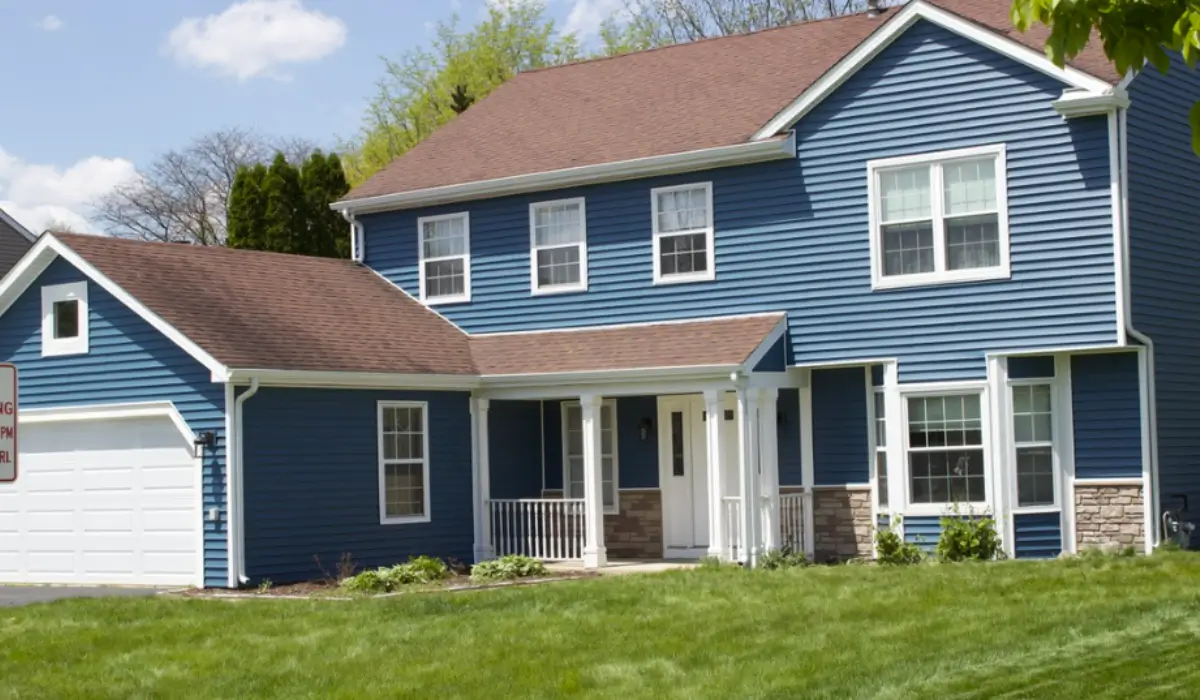






Yes. If you're asking is James Hardie siding worth it, the answer depends on your home's weather exposure, upkeep needs, and what you expect from new siding. Top Quality Roofing helps Illinois families look beyond the first quote and consider how an exterior may handle heat, freezing temperatures, rain, snow, and wind.
A higher siding estimate can create hesitation, especially when vinyl costs less upfront. We explain the differences in plain language so families can compare cost with the actual needs of the house.
James Hardie can make sense for people who want a strong exterior, a wood-like appearance, and less concern about rot or insects. Budget still matters, and our exterior siding services include several choices because no single material fits every Illinois home.
What Makes James Hardie Siding Different?
Illinois weather can expose weak points in siding when moisture reaches damaged panels, open joints, or poorly finished edges. James Hardie uses fiber cement siding, a dense product with a different balance of strength, appearance, and upkeep than natural wood or standard vinyl.
Siding also works with trim, flashing, and other wall details to help manage water. FEMA building science guidance includes resources on moisture control and building performance, which provides useful context when viewing the exterior as a complete system.
Several James Hardie traits often matter to Illinois families:
Fiber cement is not a food source for wood-damaging pests.
The material is noncombustible, although siding alone cannot make a house fireproof.
Properly installed panels can create a durable outer layer.
Wood-inspired profiles provide a familiar look without the same upkeep pattern as natural wood.
Color and style often get attention first. What we often see is that the harder questions come later: How will the siding handle moisture? What maintenance will it need? Could an existing wall problem affect the work?
In many real cases, trouble first becomes visible near windows, doors, roof edges, and gutter areas. These transitions can provide clues about whether the concern is limited to a panel or connected to water movement around the house.
Our Illinois siding service areas include homes of different ages and designs. A storm-facing property may need a different discussion than a sheltered home surrounded by mature trees.
Is James Hardie Siding Worth It for Midwest Weather?
Cold temperatures alone do not decide how siding will perform. Repeated moisture and sharp temperature changes can place different stresses on an exterior as Illinois seasons change.
Some homeowners search for James Hardie siding IL when they are really trying to understand how the product handles Midwest weather and long-term upkeep. The full wall condition matters because hidden damage or an existing water problem may need attention before new panels cover the area.
Clearance matters as well. In simple terms, siding needs enough space from areas where water may collect, including certain rooflines, hard surfaces, or soil, and product-specific installation requirements should be followed.
A careful exterior review can identify visible concerns before estimates are compared. Hidden moisture or wall damage may not be visible from the ground, so a final recommendation may require an in-person inspection.
Is James Hardie Siding Worth It Compared With Vinyl?
James Hardie and vinyl handle appearance, upfront cost, upkeep, and aging differently. The better fit depends on the problem the siding project needs to solve.
A family focused on a dense product and a substantial finished look may lean toward James Hardie. Another family may give more weight to the initial budget and prefer vinyl.
Option | Often Best For | Main Limitation |
James Hardie | Durability and a substantial exterior look | Higher initial investment |
Vinyl | Lower upfront cost and simple upkeep | Can show movement, impact damage, or aging differently |
Wood | Natural material character | Greater maintenance demands |
Vinyl remains a practical choice for many Illinois houses. It comes in many colors and profiles, needs limited routine surface care, and may work well when initial cost carries more weight.
James Hardie creates a different finished appearance. Its profiles can produce stronger shadow lines and a more substantial look when siding exposure, trim, and color are planned together.
Top Quality Roofing does not believe every property needs the highest-priced siding choice. Based on actual scenarios, we compare the house, maintenance preferences, and proposed work before recommending a material.
Our Illinois spring siding choices guide adds seasonal context. Families comparing HardiePlank vs vinyl should review the same work scope, finish goals, upkeep needs, and warranty details before judging quotes side by side.
James Hardie is often a stronger fit when a substantial appearance and lower upkeep than natural wood carry more weight. Vinyl may make more sense when lower initial cost is the leading concern.
How James Hardie and LP SmartSide Compare
Two houses on the same street can call for different siding choices. One owner may want a cement-based product, while a neighbor may prefer engineered wood.
James Hardie is made from fiber cement. LP SmartSide is an engineered wood product manufactured and treated for added durability. A useful LP SmartSide comparison looks at moisture planning, finished appearance, and installation requirements rather than naming a universal winner.
We use four factors to keep the comparison practical:
Exposure: Wind, shade, drainage, and storm-facing walls can affect wear.
Appearance: Profiles, textures, trim, and color should suit the actual house.
Problem to solve: Repeated damage and an appearance update are different project needs.
Installation needs: Clearances, fastening, flashing, and finishing affect performance.
The siding label cannot correct weak exterior details. Water that repeatedly reaches vulnerable areas can cause problems regardless of the brand, so rooflines, gutters, windows, doors, and wall transitions deserve attention.
This is why our professional roofing services may become relevant when a siding inspection finds a concern near a roof edge. Roofing and siding are separate systems, but the places where exterior components meet can affect water movement.
Does James Hardie Handle Illinois Winters Well?
Winter performance depends on more than a low temperature reading. Is James Hardie siding worth it during an Illinois winter often comes down to whether the properties of fiber cement match what the house needs.
Snow, ice, and changing temperatures can expose weak areas around windows, doors, trim, and other exterior details. International Code Council resources provide broader information about building codes and standards, reinforcing why exterior work involves more than the visible panel.
No siding should be described as immune to winter weather. Material choice and careful exterior planning both matter when a house faces repeated seasonal changes.
Is James Hardie a Good Long-Term Siding Investment?
Long-term value comes from matching siding to the owner's priorities, not simply buying the highest-priced product. Maintenance, appearance, repair history, and current exterior concerns can affect whether a higher starting cost feels justified.
The search phrase siding investment IL often reflects a simple concern among Illinois families: Does paying more now make sense over time?
For some homes, James Hardie may fit because the owner wants cement-based siding and less upkeep than natural wood. Our practical rule is to compare full project value, not only the day-one price.
A siding review should consider:
Current siding condition
Moisture and drainage concerns
Preferred exterior appearance
Future maintenance
Repeated problem areas
Product and workmanship warranty details
Warranty language deserves careful reading. Homeowners should compare what the manufacturer covers, what may be excluded, whether finish coverage is separate, and whether installation requirements affect eligibility.
Energy savings also come up in siding conversations, but siding should not be sold as a promise of lower utility bills. Insulation, air sealing, windows, and the complete wall system affect home efficiency.
DOE home insulation guidance explains how insulation fits into the wider energy picture. Energy claims make more sense when the whole wall system is considered.
Top Quality Roofing uses an education-first approach to help families understand these tradeoffs before committing. A larger quote may include more preparation or a broader work scope, so price alone does not explain the entire proposal.
Our family roofing company story shares more about our local, family-owned approach. Written product details, work scope, and warranty terms can reveal differences that one total price may hide.
Common Signs Existing Siding May Need Replacement
One faded panel may be mostly cosmetic, while recurring moisture marks or cracking across several walls may deserve a closer inspection. The pattern and location of damage often provide more useful information than one isolated defect.
Many families first call after noticing a visible change. Several symptoms in different areas can shift the discussion from a small repair to a wider exterior review.
Common signs include:
Warped or buckled panels
Cracks, splits, or broken sections
Recurring moisture marks
Soft areas around trim
Widespread fading
Loose panels after severe weather
Repeated repairs in several locations
Damage below a roof edge, beside a window, or near a gutter may point to water movement. Those areas should be reviewed before replacement siding covers the visible concern.
Families comparing local estimates should expect the proposed work to identify visible concerns and explain the material and scope. This is often the real need behind searches for siding estimates near me.
A visible exterior concern can be discussed with our Illinois siding team. Sharing where the damage appears and when it became noticeable gives our team useful context before a closer review.
An inspection should not turn every crack into a full replacement. Its purpose is to determine whether the concern is isolated, repeated, or connected to a wider moisture issue.
A Four-Part Siding Check for Illinois Homes
The siding decision becomes easier when the question changes from “Which product wins?” to “What does this house need?” We use a simple framework to keep attention on the property rather than turning the conversation into a product sales pitch.
Use this four-part siding check:
Condition: Note cracks, movement, moisture marks, and repeated repairs.
Exposure: Review shade, wind, drainage, and storm-facing walls.
Problem to solve: Define what the siding replacement needs to improve.
Priorities: Rank appearance, upkeep, initial investment, and durability.
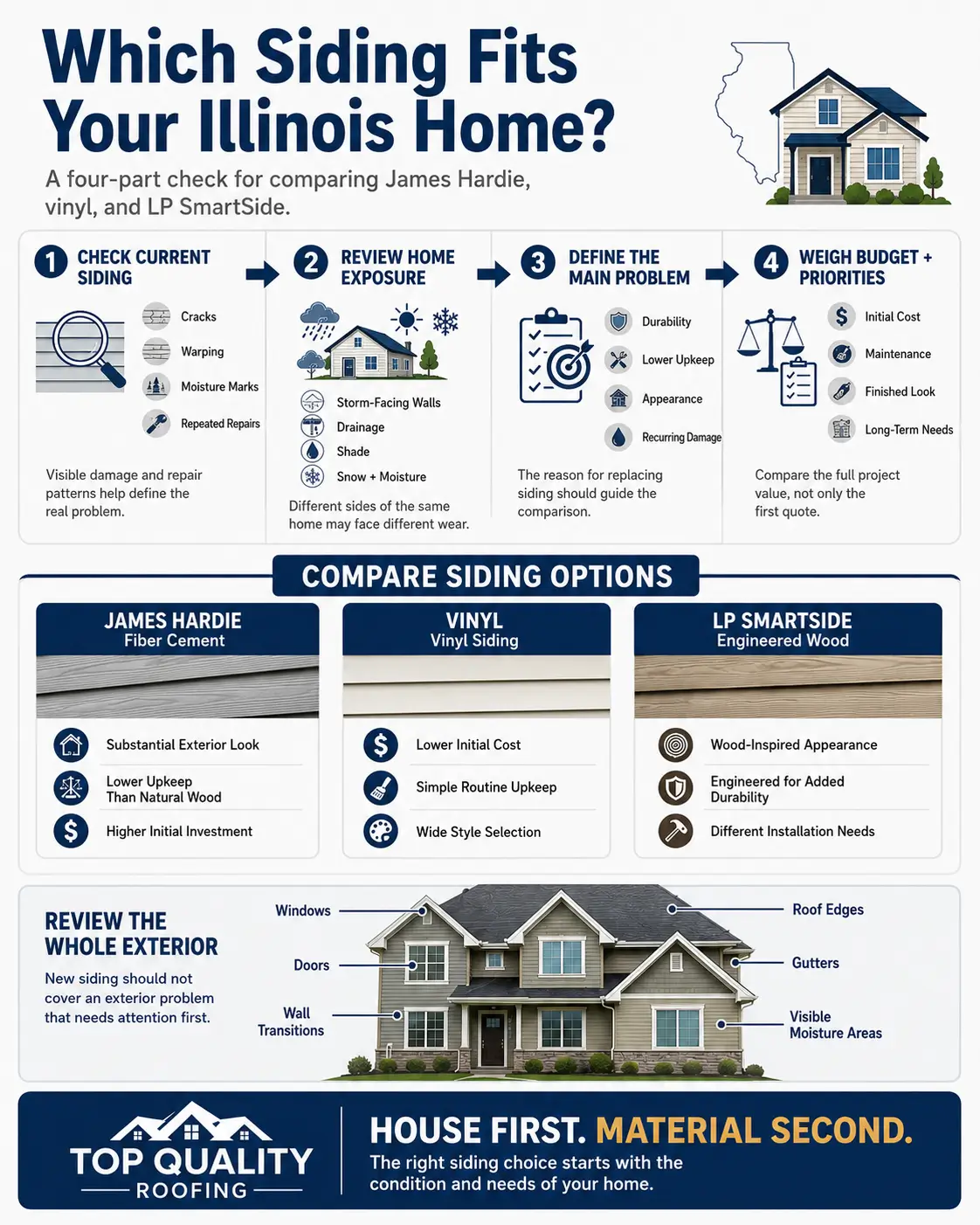
Which Siding Fits Your Illinois Home Decision Guide
A house with repeated repairs may need a different discussion than one being updated mainly for appearance. A storm-facing wall may also raise concerns that matter less on a protected side.
Is James Hardie siding worth it becomes easier to answer when the owner's priorities are connected to the actual house. The point is not to crown one material as the winner.
Our Illinois summer siding project guide helps families think about project timing. Season, contractor availability, and suitable weather windows can affect scheduling.
The framework also makes estimates easier to discuss. Families can compare whether each proposal addresses the same concerns rather than looking only at totals.
Our roof upgrade value guide applies similar decision logic to another major exterior system. Scope and existing concerns matter when judging the value of home improvements.
Common James Hardie Questions Before Replacing Siding
Maintenance and home value are two common concerns before a siding project. Both affect how families judge cost and long-term benefit.
These topics also attract exaggerated claims. “Low maintenance” can become “no maintenance,” while improved curb appeal may be presented as guaranteed profit.
Realistic product benefits are more useful than promises no contractor can make. The same rule applies whether a family is comparing James Hardie, vinyl, or engineered wood.
Does James Hardie Need Regular Maintenance?
James Hardie is generally considered a lower-maintenance option than natural wood, but no exterior is maintenance-free. Owners should still watch for damaged caulk, impact marks, drainage concerns, and areas where water repeatedly reaches the wall.
Routine exterior checks can identify changes before they become larger repair questions. The practical habit is noticing a new condition and finding out why it changed.
Maintenance should match the actual exterior rather than a generic calendar. Storm exposure, nearby trees, roof drainage, and previous repairs can affect which areas deserve closer attention.
Can New Siding Improve Home Value?
New siding can improve curb appeal and may support the way a house presents to future buyers. No contractor should promise a specific resale return because location, overall condition, work quality, buyer preferences, and the housing market can affect value.
We suggest treating siding first as an exterior protection and ownership decision. Better curb appeal can be a meaningful benefit, but it is not guaranteed profit.
A sound siding choice should make sense for the family living in the house today, even when a future buyer's preferences cannot be predicted.
Make the Siding Decision Around Your Home
For Illinois families asking is James Hardie siding worth it, the answer is often yes when a substantial exterior appearance, lower upkeep than natural wood, and fiber cement fit the needs of the property. Vinyl or engineered wood may still make more sense when budget, preferred finish, or repair concerns point elsewhere.
The next step is a property-specific review of the current siding and visible moisture concerns. That gives a product comparison real context and reduces the chance of choosing by brand name or the lowest opening quote alone.
Our roof project cost calculator shows how we help families begin thinking about exterior project costs. Siding requires its own estimate, but useful planning questions can make the first conversation more productive.
The right siding should address the problems that matter for the house. Popularity alone is not a strong reason to select a material.
Get Clear Answers Before Replacing Your Siding
A useful siding conversation should be honest when James Hardie fits and just as honest when another material may serve the home better. Top Quality Roofing brings family-owned service, more than 30 years of combined expertise, and experience serving over 900 Illinois homes to each exterior review.
Eligible homeowners may also review our home improvement financing options when timing and budget need to be considered together. Payment flexibility may affect when a needed project feels manageable, but it does not decide which siding fits the house.
Our team can review visible exterior concerns and explain the proposed work in plain language. You should have concrete details about the material, scope, and next steps before making a decision.
Book your siding consultation and let us compare the options for your home. We will help you understand what the exterior needs and what the proposed siding work includes before you move forward.
Yes. If you're asking is James Hardie siding worth it, the answer depends on your home's weather exposure, upkeep needs, and what you expect from new siding. Top Quality Roofing helps Illinois families look beyond the first quote and consider how an exterior may handle heat, freezing temperatures, rain, snow, and wind.
A higher siding estimate can create hesitation, especially when vinyl costs less upfront. We explain the differences in plain language so families can compare cost with the actual needs of the house.
James Hardie can make sense for people who want a strong exterior, a wood-like appearance, and less concern about rot or insects. Budget still matters, and our exterior siding services include several choices because no single material fits every Illinois home.
What Makes James Hardie Siding Different?
Illinois weather can expose weak points in siding when moisture reaches damaged panels, open joints, or poorly finished edges. James Hardie uses fiber cement siding, a dense product with a different balance of strength, appearance, and upkeep than natural wood or standard vinyl.
Siding also works with trim, flashing, and other wall details to help manage water. FEMA building science guidance includes resources on moisture control and building performance, which provides useful context when viewing the exterior as a complete system.
Several James Hardie traits often matter to Illinois families:
Fiber cement is not a food source for wood-damaging pests.
The material is noncombustible, although siding alone cannot make a house fireproof.
Properly installed panels can create a durable outer layer.
Wood-inspired profiles provide a familiar look without the same upkeep pattern as natural wood.
Color and style often get attention first. What we often see is that the harder questions come later: How will the siding handle moisture? What maintenance will it need? Could an existing wall problem affect the work?
In many real cases, trouble first becomes visible near windows, doors, roof edges, and gutter areas. These transitions can provide clues about whether the concern is limited to a panel or connected to water movement around the house.
Our Illinois siding service areas include homes of different ages and designs. A storm-facing property may need a different discussion than a sheltered home surrounded by mature trees.
Is James Hardie Siding Worth It for Midwest Weather?
Cold temperatures alone do not decide how siding will perform. Repeated moisture and sharp temperature changes can place different stresses on an exterior as Illinois seasons change.
Some homeowners search for James Hardie siding IL when they are really trying to understand how the product handles Midwest weather and long-term upkeep. The full wall condition matters because hidden damage or an existing water problem may need attention before new panels cover the area.
Clearance matters as well. In simple terms, siding needs enough space from areas where water may collect, including certain rooflines, hard surfaces, or soil, and product-specific installation requirements should be followed.
A careful exterior review can identify visible concerns before estimates are compared. Hidden moisture or wall damage may not be visible from the ground, so a final recommendation may require an in-person inspection.
Is James Hardie Siding Worth It Compared With Vinyl?
James Hardie and vinyl handle appearance, upfront cost, upkeep, and aging differently. The better fit depends on the problem the siding project needs to solve.
A family focused on a dense product and a substantial finished look may lean toward James Hardie. Another family may give more weight to the initial budget and prefer vinyl.
Option | Often Best For | Main Limitation |
James Hardie | Durability and a substantial exterior look | Higher initial investment |
Vinyl | Lower upfront cost and simple upkeep | Can show movement, impact damage, or aging differently |
Wood | Natural material character | Greater maintenance demands |
Vinyl remains a practical choice for many Illinois houses. It comes in many colors and profiles, needs limited routine surface care, and may work well when initial cost carries more weight.
James Hardie creates a different finished appearance. Its profiles can produce stronger shadow lines and a more substantial look when siding exposure, trim, and color are planned together.
Top Quality Roofing does not believe every property needs the highest-priced siding choice. Based on actual scenarios, we compare the house, maintenance preferences, and proposed work before recommending a material.
Our Illinois spring siding choices guide adds seasonal context. Families comparing HardiePlank vs vinyl should review the same work scope, finish goals, upkeep needs, and warranty details before judging quotes side by side.
James Hardie is often a stronger fit when a substantial appearance and lower upkeep than natural wood carry more weight. Vinyl may make more sense when lower initial cost is the leading concern.
How James Hardie and LP SmartSide Compare
Two houses on the same street can call for different siding choices. One owner may want a cement-based product, while a neighbor may prefer engineered wood.
James Hardie is made from fiber cement. LP SmartSide is an engineered wood product manufactured and treated for added durability. A useful LP SmartSide comparison looks at moisture planning, finished appearance, and installation requirements rather than naming a universal winner.
We use four factors to keep the comparison practical:
Exposure: Wind, shade, drainage, and storm-facing walls can affect wear.
Appearance: Profiles, textures, trim, and color should suit the actual house.
Problem to solve: Repeated damage and an appearance update are different project needs.
Installation needs: Clearances, fastening, flashing, and finishing affect performance.
The siding label cannot correct weak exterior details. Water that repeatedly reaches vulnerable areas can cause problems regardless of the brand, so rooflines, gutters, windows, doors, and wall transitions deserve attention.
This is why our professional roofing services may become relevant when a siding inspection finds a concern near a roof edge. Roofing and siding are separate systems, but the places where exterior components meet can affect water movement.
Does James Hardie Handle Illinois Winters Well?
Winter performance depends on more than a low temperature reading. Is James Hardie siding worth it during an Illinois winter often comes down to whether the properties of fiber cement match what the house needs.
Snow, ice, and changing temperatures can expose weak areas around windows, doors, trim, and other exterior details. International Code Council resources provide broader information about building codes and standards, reinforcing why exterior work involves more than the visible panel.
No siding should be described as immune to winter weather. Material choice and careful exterior planning both matter when a house faces repeated seasonal changes.
Is James Hardie a Good Long-Term Siding Investment?
Long-term value comes from matching siding to the owner's priorities, not simply buying the highest-priced product. Maintenance, appearance, repair history, and current exterior concerns can affect whether a higher starting cost feels justified.
The search phrase siding investment IL often reflects a simple concern among Illinois families: Does paying more now make sense over time?
For some homes, James Hardie may fit because the owner wants cement-based siding and less upkeep than natural wood. Our practical rule is to compare full project value, not only the day-one price.
A siding review should consider:
Current siding condition
Moisture and drainage concerns
Preferred exterior appearance
Future maintenance
Repeated problem areas
Product and workmanship warranty details
Warranty language deserves careful reading. Homeowners should compare what the manufacturer covers, what may be excluded, whether finish coverage is separate, and whether installation requirements affect eligibility.
Energy savings also come up in siding conversations, but siding should not be sold as a promise of lower utility bills. Insulation, air sealing, windows, and the complete wall system affect home efficiency.
DOE home insulation guidance explains how insulation fits into the wider energy picture. Energy claims make more sense when the whole wall system is considered.
Top Quality Roofing uses an education-first approach to help families understand these tradeoffs before committing. A larger quote may include more preparation or a broader work scope, so price alone does not explain the entire proposal.
Our family roofing company story shares more about our local, family-owned approach. Written product details, work scope, and warranty terms can reveal differences that one total price may hide.
Common Signs Existing Siding May Need Replacement
One faded panel may be mostly cosmetic, while recurring moisture marks or cracking across several walls may deserve a closer inspection. The pattern and location of damage often provide more useful information than one isolated defect.
Many families first call after noticing a visible change. Several symptoms in different areas can shift the discussion from a small repair to a wider exterior review.
Common signs include:
Warped or buckled panels
Cracks, splits, or broken sections
Recurring moisture marks
Soft areas around trim
Widespread fading
Loose panels after severe weather
Repeated repairs in several locations
Damage below a roof edge, beside a window, or near a gutter may point to water movement. Those areas should be reviewed before replacement siding covers the visible concern.
Families comparing local estimates should expect the proposed work to identify visible concerns and explain the material and scope. This is often the real need behind searches for siding estimates near me.
A visible exterior concern can be discussed with our Illinois siding team. Sharing where the damage appears and when it became noticeable gives our team useful context before a closer review.
An inspection should not turn every crack into a full replacement. Its purpose is to determine whether the concern is isolated, repeated, or connected to a wider moisture issue.
A Four-Part Siding Check for Illinois Homes
The siding decision becomes easier when the question changes from “Which product wins?” to “What does this house need?” We use a simple framework to keep attention on the property rather than turning the conversation into a product sales pitch.
Use this four-part siding check:
Condition: Note cracks, movement, moisture marks, and repeated repairs.
Exposure: Review shade, wind, drainage, and storm-facing walls.
Problem to solve: Define what the siding replacement needs to improve.
Priorities: Rank appearance, upkeep, initial investment, and durability.
Which Siding Fits Your Illinois Home Decision Guide
A house with repeated repairs may need a different discussion than one being updated mainly for appearance. A storm-facing wall may also raise concerns that matter less on a protected side.
Is James Hardie siding worth it becomes easier to answer when the owner's priorities are connected to the actual house. The point is not to crown one material as the winner.
Our Illinois summer siding project guide helps families think about project timing. Season, contractor availability, and suitable weather windows can affect scheduling.
The framework also makes estimates easier to discuss. Families can compare whether each proposal addresses the same concerns rather than looking only at totals.
Our roof upgrade value guide applies similar decision logic to another major exterior system. Scope and existing concerns matter when judging the value of home improvements.
Common James Hardie Questions Before Replacing Siding
Maintenance and home value are two common concerns before a siding project. Both affect how families judge cost and long-term benefit.
These topics also attract exaggerated claims. “Low maintenance” can become “no maintenance,” while improved curb appeal may be presented as guaranteed profit.
Realistic product benefits are more useful than promises no contractor can make. The same rule applies whether a family is comparing James Hardie, vinyl, or engineered wood.
Does James Hardie Need Regular Maintenance?
James Hardie is generally considered a lower-maintenance option than natural wood, but no exterior is maintenance-free. Owners should still watch for damaged caulk, impact marks, drainage concerns, and areas where water repeatedly reaches the wall.
Routine exterior checks can identify changes before they become larger repair questions. The practical habit is noticing a new condition and finding out why it changed.
Maintenance should match the actual exterior rather than a generic calendar. Storm exposure, nearby trees, roof drainage, and previous repairs can affect which areas deserve closer attention.
Can New Siding Improve Home Value?
New siding can improve curb appeal and may support the way a house presents to future buyers. No contractor should promise a specific resale return because location, overall condition, work quality, buyer preferences, and the housing market can affect value.
We suggest treating siding first as an exterior protection and ownership decision. Better curb appeal can be a meaningful benefit, but it is not guaranteed profit.
A sound siding choice should make sense for the family living in the house today, even when a future buyer's preferences cannot be predicted.
Make the Siding Decision Around Your Home
For Illinois families asking is James Hardie siding worth it, the answer is often yes when a substantial exterior appearance, lower upkeep than natural wood, and fiber cement fit the needs of the property. Vinyl or engineered wood may still make more sense when budget, preferred finish, or repair concerns point elsewhere.
The next step is a property-specific review of the current siding and visible moisture concerns. That gives a product comparison real context and reduces the chance of choosing by brand name or the lowest opening quote alone.
Our roof project cost calculator shows how we help families begin thinking about exterior project costs. Siding requires its own estimate, but useful planning questions can make the first conversation more productive.
The right siding should address the problems that matter for the house. Popularity alone is not a strong reason to select a material.
Get Clear Answers Before Replacing Your Siding
A useful siding conversation should be honest when James Hardie fits and just as honest when another material may serve the home better. Top Quality Roofing brings family-owned service, more than 30 years of combined expertise, and experience serving over 900 Illinois homes to each exterior review.
Eligible homeowners may also review our home improvement financing options when timing and budget need to be considered together. Payment flexibility may affect when a needed project feels manageable, but it does not decide which siding fits the house.
Our team can review visible exterior concerns and explain the proposed work in plain language. You should have concrete details about the material, scope, and next steps before making a decision.
Book your siding consultation and let us compare the options for your home. We will help you understand what the exterior needs and what the proposed siding work includes before you move forward.
Yes. If you're asking is James Hardie siding worth it, the answer depends on your home's weather exposure, upkeep needs, and what you expect from new siding. Top Quality Roofing helps Illinois families look beyond the first quote and consider how an exterior may handle heat, freezing temperatures, rain, snow, and wind.
A higher siding estimate can create hesitation, especially when vinyl costs less upfront. We explain the differences in plain language so families can compare cost with the actual needs of the house.
James Hardie can make sense for people who want a strong exterior, a wood-like appearance, and less concern about rot or insects. Budget still matters, and our exterior siding services include several choices because no single material fits every Illinois home.
What Makes James Hardie Siding Different?
Illinois weather can expose weak points in siding when moisture reaches damaged panels, open joints, or poorly finished edges. James Hardie uses fiber cement siding, a dense product with a different balance of strength, appearance, and upkeep than natural wood or standard vinyl.
Siding also works with trim, flashing, and other wall details to help manage water. FEMA building science guidance includes resources on moisture control and building performance, which provides useful context when viewing the exterior as a complete system.
Several James Hardie traits often matter to Illinois families:
Fiber cement is not a food source for wood-damaging pests.
The material is noncombustible, although siding alone cannot make a house fireproof.
Properly installed panels can create a durable outer layer.
Wood-inspired profiles provide a familiar look without the same upkeep pattern as natural wood.
Color and style often get attention first. What we often see is that the harder questions come later: How will the siding handle moisture? What maintenance will it need? Could an existing wall problem affect the work?
In many real cases, trouble first becomes visible near windows, doors, roof edges, and gutter areas. These transitions can provide clues about whether the concern is limited to a panel or connected to water movement around the house.
Our Illinois siding service areas include homes of different ages and designs. A storm-facing property may need a different discussion than a sheltered home surrounded by mature trees.
Is James Hardie Siding Worth It for Midwest Weather?
Cold temperatures alone do not decide how siding will perform. Repeated moisture and sharp temperature changes can place different stresses on an exterior as Illinois seasons change.
Some homeowners search for James Hardie siding IL when they are really trying to understand how the product handles Midwest weather and long-term upkeep. The full wall condition matters because hidden damage or an existing water problem may need attention before new panels cover the area.
Clearance matters as well. In simple terms, siding needs enough space from areas where water may collect, including certain rooflines, hard surfaces, or soil, and product-specific installation requirements should be followed.
A careful exterior review can identify visible concerns before estimates are compared. Hidden moisture or wall damage may not be visible from the ground, so a final recommendation may require an in-person inspection.
Is James Hardie Siding Worth It Compared With Vinyl?
James Hardie and vinyl handle appearance, upfront cost, upkeep, and aging differently. The better fit depends on the problem the siding project needs to solve.
A family focused on a dense product and a substantial finished look may lean toward James Hardie. Another family may give more weight to the initial budget and prefer vinyl.
Option | Often Best For | Main Limitation |
James Hardie | Durability and a substantial exterior look | Higher initial investment |
Vinyl | Lower upfront cost and simple upkeep | Can show movement, impact damage, or aging differently |
Wood | Natural material character | Greater maintenance demands |
Vinyl remains a practical choice for many Illinois houses. It comes in many colors and profiles, needs limited routine surface care, and may work well when initial cost carries more weight.
James Hardie creates a different finished appearance. Its profiles can produce stronger shadow lines and a more substantial look when siding exposure, trim, and color are planned together.
Top Quality Roofing does not believe every property needs the highest-priced siding choice. Based on actual scenarios, we compare the house, maintenance preferences, and proposed work before recommending a material.
Our Illinois spring siding choices guide adds seasonal context. Families comparing HardiePlank vs vinyl should review the same work scope, finish goals, upkeep needs, and warranty details before judging quotes side by side.
James Hardie is often a stronger fit when a substantial appearance and lower upkeep than natural wood carry more weight. Vinyl may make more sense when lower initial cost is the leading concern.
How James Hardie and LP SmartSide Compare
Two houses on the same street can call for different siding choices. One owner may want a cement-based product, while a neighbor may prefer engineered wood.
James Hardie is made from fiber cement. LP SmartSide is an engineered wood product manufactured and treated for added durability. A useful LP SmartSide comparison looks at moisture planning, finished appearance, and installation requirements rather than naming a universal winner.
We use four factors to keep the comparison practical:
Exposure: Wind, shade, drainage, and storm-facing walls can affect wear.
Appearance: Profiles, textures, trim, and color should suit the actual house.
Problem to solve: Repeated damage and an appearance update are different project needs.
Installation needs: Clearances, fastening, flashing, and finishing affect performance.
The siding label cannot correct weak exterior details. Water that repeatedly reaches vulnerable areas can cause problems regardless of the brand, so rooflines, gutters, windows, doors, and wall transitions deserve attention.
This is why our professional roofing services may become relevant when a siding inspection finds a concern near a roof edge. Roofing and siding are separate systems, but the places where exterior components meet can affect water movement.
Does James Hardie Handle Illinois Winters Well?
Winter performance depends on more than a low temperature reading. Is James Hardie siding worth it during an Illinois winter often comes down to whether the properties of fiber cement match what the house needs.
Snow, ice, and changing temperatures can expose weak areas around windows, doors, trim, and other exterior details. International Code Council resources provide broader information about building codes and standards, reinforcing why exterior work involves more than the visible panel.
No siding should be described as immune to winter weather. Material choice and careful exterior planning both matter when a house faces repeated seasonal changes.
Is James Hardie a Good Long-Term Siding Investment?
Long-term value comes from matching siding to the owner's priorities, not simply buying the highest-priced product. Maintenance, appearance, repair history, and current exterior concerns can affect whether a higher starting cost feels justified.
The search phrase siding investment IL often reflects a simple concern among Illinois families: Does paying more now make sense over time?
For some homes, James Hardie may fit because the owner wants cement-based siding and less upkeep than natural wood. Our practical rule is to compare full project value, not only the day-one price.
A siding review should consider:
Current siding condition
Moisture and drainage concerns
Preferred exterior appearance
Future maintenance
Repeated problem areas
Product and workmanship warranty details
Warranty language deserves careful reading. Homeowners should compare what the manufacturer covers, what may be excluded, whether finish coverage is separate, and whether installation requirements affect eligibility.
Energy savings also come up in siding conversations, but siding should not be sold as a promise of lower utility bills. Insulation, air sealing, windows, and the complete wall system affect home efficiency.
DOE home insulation guidance explains how insulation fits into the wider energy picture. Energy claims make more sense when the whole wall system is considered.
Top Quality Roofing uses an education-first approach to help families understand these tradeoffs before committing. A larger quote may include more preparation or a broader work scope, so price alone does not explain the entire proposal.
Our family roofing company story shares more about our local, family-owned approach. Written product details, work scope, and warranty terms can reveal differences that one total price may hide.
Common Signs Existing Siding May Need Replacement
One faded panel may be mostly cosmetic, while recurring moisture marks or cracking across several walls may deserve a closer inspection. The pattern and location of damage often provide more useful information than one isolated defect.
Many families first call after noticing a visible change. Several symptoms in different areas can shift the discussion from a small repair to a wider exterior review.
Common signs include:
Warped or buckled panels
Cracks, splits, or broken sections
Recurring moisture marks
Soft areas around trim
Widespread fading
Loose panels after severe weather
Repeated repairs in several locations
Damage below a roof edge, beside a window, or near a gutter may point to water movement. Those areas should be reviewed before replacement siding covers the visible concern.
Families comparing local estimates should expect the proposed work to identify visible concerns and explain the material and scope. This is often the real need behind searches for siding estimates near me.
A visible exterior concern can be discussed with our Illinois siding team. Sharing where the damage appears and when it became noticeable gives our team useful context before a closer review.
An inspection should not turn every crack into a full replacement. Its purpose is to determine whether the concern is isolated, repeated, or connected to a wider moisture issue.
A Four-Part Siding Check for Illinois Homes
The siding decision becomes easier when the question changes from “Which product wins?” to “What does this house need?” We use a simple framework to keep attention on the property rather than turning the conversation into a product sales pitch.
Use this four-part siding check:
Condition: Note cracks, movement, moisture marks, and repeated repairs.
Exposure: Review shade, wind, drainage, and storm-facing walls.
Problem to solve: Define what the siding replacement needs to improve.
Priorities: Rank appearance, upkeep, initial investment, and durability.
Which Siding Fits Your Illinois Home Decision Guide
A house with repeated repairs may need a different discussion than one being updated mainly for appearance. A storm-facing wall may also raise concerns that matter less on a protected side.
Is James Hardie siding worth it becomes easier to answer when the owner's priorities are connected to the actual house. The point is not to crown one material as the winner.
Our Illinois summer siding project guide helps families think about project timing. Season, contractor availability, and suitable weather windows can affect scheduling.
The framework also makes estimates easier to discuss. Families can compare whether each proposal addresses the same concerns rather than looking only at totals.
Our roof upgrade value guide applies similar decision logic to another major exterior system. Scope and existing concerns matter when judging the value of home improvements.
Common James Hardie Questions Before Replacing Siding
Maintenance and home value are two common concerns before a siding project. Both affect how families judge cost and long-term benefit.
These topics also attract exaggerated claims. “Low maintenance” can become “no maintenance,” while improved curb appeal may be presented as guaranteed profit.
Realistic product benefits are more useful than promises no contractor can make. The same rule applies whether a family is comparing James Hardie, vinyl, or engineered wood.
Does James Hardie Need Regular Maintenance?
James Hardie is generally considered a lower-maintenance option than natural wood, but no exterior is maintenance-free. Owners should still watch for damaged caulk, impact marks, drainage concerns, and areas where water repeatedly reaches the wall.
Routine exterior checks can identify changes before they become larger repair questions. The practical habit is noticing a new condition and finding out why it changed.
Maintenance should match the actual exterior rather than a generic calendar. Storm exposure, nearby trees, roof drainage, and previous repairs can affect which areas deserve closer attention.
Can New Siding Improve Home Value?
New siding can improve curb appeal and may support the way a house presents to future buyers. No contractor should promise a specific resale return because location, overall condition, work quality, buyer preferences, and the housing market can affect value.
We suggest treating siding first as an exterior protection and ownership decision. Better curb appeal can be a meaningful benefit, but it is not guaranteed profit.
A sound siding choice should make sense for the family living in the house today, even when a future buyer's preferences cannot be predicted.
Make the Siding Decision Around Your Home
For Illinois families asking is James Hardie siding worth it, the answer is often yes when a substantial exterior appearance, lower upkeep than natural wood, and fiber cement fit the needs of the property. Vinyl or engineered wood may still make more sense when budget, preferred finish, or repair concerns point elsewhere.
The next step is a property-specific review of the current siding and visible moisture concerns. That gives a product comparison real context and reduces the chance of choosing by brand name or the lowest opening quote alone.
Our roof project cost calculator shows how we help families begin thinking about exterior project costs. Siding requires its own estimate, but useful planning questions can make the first conversation more productive.
The right siding should address the problems that matter for the house. Popularity alone is not a strong reason to select a material.
Get Clear Answers Before Replacing Your Siding
A useful siding conversation should be honest when James Hardie fits and just as honest when another material may serve the home better. Top Quality Roofing brings family-owned service, more than 30 years of combined expertise, and experience serving over 900 Illinois homes to each exterior review.
Eligible homeowners may also review our home improvement financing options when timing and budget need to be considered together. Payment flexibility may affect when a needed project feels manageable, but it does not decide which siding fits the house.
Our team can review visible exterior concerns and explain the proposed work in plain language. You should have concrete details about the material, scope, and next steps before making a decision.
Book your siding consultation and let us compare the options for your home. We will help you understand what the exterior needs and what the proposed siding work includes before you move forward.
Yes. If you're asking is James Hardie siding worth it, the answer depends on your home's weather exposure, upkeep needs, and what you expect from new siding. Top Quality Roofing helps Illinois families look beyond the first quote and consider how an exterior may handle heat, freezing temperatures, rain, snow, and wind.
A higher siding estimate can create hesitation, especially when vinyl costs less upfront. We explain the differences in plain language so families can compare cost with the actual needs of the house.
James Hardie can make sense for people who want a strong exterior, a wood-like appearance, and less concern about rot or insects. Budget still matters, and our exterior siding services include several choices because no single material fits every Illinois home.
What Makes James Hardie Siding Different?
Illinois weather can expose weak points in siding when moisture reaches damaged panels, open joints, or poorly finished edges. James Hardie uses fiber cement siding, a dense product with a different balance of strength, appearance, and upkeep than natural wood or standard vinyl.
Siding also works with trim, flashing, and other wall details to help manage water. FEMA building science guidance includes resources on moisture control and building performance, which provides useful context when viewing the exterior as a complete system.
Several James Hardie traits often matter to Illinois families:
Fiber cement is not a food source for wood-damaging pests.
The material is noncombustible, although siding alone cannot make a house fireproof.
Properly installed panels can create a durable outer layer.
Wood-inspired profiles provide a familiar look without the same upkeep pattern as natural wood.
Color and style often get attention first. What we often see is that the harder questions come later: How will the siding handle moisture? What maintenance will it need? Could an existing wall problem affect the work?
In many real cases, trouble first becomes visible near windows, doors, roof edges, and gutter areas. These transitions can provide clues about whether the concern is limited to a panel or connected to water movement around the house.
Our Illinois siding service areas include homes of different ages and designs. A storm-facing property may need a different discussion than a sheltered home surrounded by mature trees.
Is James Hardie Siding Worth It for Midwest Weather?
Cold temperatures alone do not decide how siding will perform. Repeated moisture and sharp temperature changes can place different stresses on an exterior as Illinois seasons change.
Some homeowners search for James Hardie siding IL when they are really trying to understand how the product handles Midwest weather and long-term upkeep. The full wall condition matters because hidden damage or an existing water problem may need attention before new panels cover the area.
Clearance matters as well. In simple terms, siding needs enough space from areas where water may collect, including certain rooflines, hard surfaces, or soil, and product-specific installation requirements should be followed.
A careful exterior review can identify visible concerns before estimates are compared. Hidden moisture or wall damage may not be visible from the ground, so a final recommendation may require an in-person inspection.
Is James Hardie Siding Worth It Compared With Vinyl?
James Hardie and vinyl handle appearance, upfront cost, upkeep, and aging differently. The better fit depends on the problem the siding project needs to solve.
A family focused on a dense product and a substantial finished look may lean toward James Hardie. Another family may give more weight to the initial budget and prefer vinyl.
Option | Often Best For | Main Limitation |
James Hardie | Durability and a substantial exterior look | Higher initial investment |
Vinyl | Lower upfront cost and simple upkeep | Can show movement, impact damage, or aging differently |
Wood | Natural material character | Greater maintenance demands |
Vinyl remains a practical choice for many Illinois houses. It comes in many colors and profiles, needs limited routine surface care, and may work well when initial cost carries more weight.
James Hardie creates a different finished appearance. Its profiles can produce stronger shadow lines and a more substantial look when siding exposure, trim, and color are planned together.
Top Quality Roofing does not believe every property needs the highest-priced siding choice. Based on actual scenarios, we compare the house, maintenance preferences, and proposed work before recommending a material.
Our Illinois spring siding choices guide adds seasonal context. Families comparing HardiePlank vs vinyl should review the same work scope, finish goals, upkeep needs, and warranty details before judging quotes side by side.
James Hardie is often a stronger fit when a substantial appearance and lower upkeep than natural wood carry more weight. Vinyl may make more sense when lower initial cost is the leading concern.
How James Hardie and LP SmartSide Compare
Two houses on the same street can call for different siding choices. One owner may want a cement-based product, while a neighbor may prefer engineered wood.
James Hardie is made from fiber cement. LP SmartSide is an engineered wood product manufactured and treated for added durability. A useful LP SmartSide comparison looks at moisture planning, finished appearance, and installation requirements rather than naming a universal winner.
We use four factors to keep the comparison practical:
Exposure: Wind, shade, drainage, and storm-facing walls can affect wear.
Appearance: Profiles, textures, trim, and color should suit the actual house.
Problem to solve: Repeated damage and an appearance update are different project needs.
Installation needs: Clearances, fastening, flashing, and finishing affect performance.
The siding label cannot correct weak exterior details. Water that repeatedly reaches vulnerable areas can cause problems regardless of the brand, so rooflines, gutters, windows, doors, and wall transitions deserve attention.
This is why our professional roofing services may become relevant when a siding inspection finds a concern near a roof edge. Roofing and siding are separate systems, but the places where exterior components meet can affect water movement.
Does James Hardie Handle Illinois Winters Well?
Winter performance depends on more than a low temperature reading. Is James Hardie siding worth it during an Illinois winter often comes down to whether the properties of fiber cement match what the house needs.
Snow, ice, and changing temperatures can expose weak areas around windows, doors, trim, and other exterior details. International Code Council resources provide broader information about building codes and standards, reinforcing why exterior work involves more than the visible panel.
No siding should be described as immune to winter weather. Material choice and careful exterior planning both matter when a house faces repeated seasonal changes.
Is James Hardie a Good Long-Term Siding Investment?
Long-term value comes from matching siding to the owner's priorities, not simply buying the highest-priced product. Maintenance, appearance, repair history, and current exterior concerns can affect whether a higher starting cost feels justified.
The search phrase siding investment IL often reflects a simple concern among Illinois families: Does paying more now make sense over time?
For some homes, James Hardie may fit because the owner wants cement-based siding and less upkeep than natural wood. Our practical rule is to compare full project value, not only the day-one price.
A siding review should consider:
Current siding condition
Moisture and drainage concerns
Preferred exterior appearance
Future maintenance
Repeated problem areas
Product and workmanship warranty details
Warranty language deserves careful reading. Homeowners should compare what the manufacturer covers, what may be excluded, whether finish coverage is separate, and whether installation requirements affect eligibility.
Energy savings also come up in siding conversations, but siding should not be sold as a promise of lower utility bills. Insulation, air sealing, windows, and the complete wall system affect home efficiency.
DOE home insulation guidance explains how insulation fits into the wider energy picture. Energy claims make more sense when the whole wall system is considered.
Top Quality Roofing uses an education-first approach to help families understand these tradeoffs before committing. A larger quote may include more preparation or a broader work scope, so price alone does not explain the entire proposal.
Our family roofing company story shares more about our local, family-owned approach. Written product details, work scope, and warranty terms can reveal differences that one total price may hide.
Common Signs Existing Siding May Need Replacement
One faded panel may be mostly cosmetic, while recurring moisture marks or cracking across several walls may deserve a closer inspection. The pattern and location of damage often provide more useful information than one isolated defect.
Many families first call after noticing a visible change. Several symptoms in different areas can shift the discussion from a small repair to a wider exterior review.
Common signs include:
Warped or buckled panels
Cracks, splits, or broken sections
Recurring moisture marks
Soft areas around trim
Widespread fading
Loose panels after severe weather
Repeated repairs in several locations
Damage below a roof edge, beside a window, or near a gutter may point to water movement. Those areas should be reviewed before replacement siding covers the visible concern.
Families comparing local estimates should expect the proposed work to identify visible concerns and explain the material and scope. This is often the real need behind searches for siding estimates near me.
A visible exterior concern can be discussed with our Illinois siding team. Sharing where the damage appears and when it became noticeable gives our team useful context before a closer review.
An inspection should not turn every crack into a full replacement. Its purpose is to determine whether the concern is isolated, repeated, or connected to a wider moisture issue.
A Four-Part Siding Check for Illinois Homes
The siding decision becomes easier when the question changes from “Which product wins?” to “What does this house need?” We use a simple framework to keep attention on the property rather than turning the conversation into a product sales pitch.
Use this four-part siding check:
Condition: Note cracks, movement, moisture marks, and repeated repairs.
Exposure: Review shade, wind, drainage, and storm-facing walls.
Problem to solve: Define what the siding replacement needs to improve.
Priorities: Rank appearance, upkeep, initial investment, and durability.
Which Siding Fits Your Illinois Home Decision Guide
A house with repeated repairs may need a different discussion than one being updated mainly for appearance. A storm-facing wall may also raise concerns that matter less on a protected side.
Is James Hardie siding worth it becomes easier to answer when the owner's priorities are connected to the actual house. The point is not to crown one material as the winner.
Our Illinois summer siding project guide helps families think about project timing. Season, contractor availability, and suitable weather windows can affect scheduling.
The framework also makes estimates easier to discuss. Families can compare whether each proposal addresses the same concerns rather than looking only at totals.
Our roof upgrade value guide applies similar decision logic to another major exterior system. Scope and existing concerns matter when judging the value of home improvements.
Common James Hardie Questions Before Replacing Siding
Maintenance and home value are two common concerns before a siding project. Both affect how families judge cost and long-term benefit.
These topics also attract exaggerated claims. “Low maintenance” can become “no maintenance,” while improved curb appeal may be presented as guaranteed profit.
Realistic product benefits are more useful than promises no contractor can make. The same rule applies whether a family is comparing James Hardie, vinyl, or engineered wood.
Does James Hardie Need Regular Maintenance?
James Hardie is generally considered a lower-maintenance option than natural wood, but no exterior is maintenance-free. Owners should still watch for damaged caulk, impact marks, drainage concerns, and areas where water repeatedly reaches the wall.
Routine exterior checks can identify changes before they become larger repair questions. The practical habit is noticing a new condition and finding out why it changed.
Maintenance should match the actual exterior rather than a generic calendar. Storm exposure, nearby trees, roof drainage, and previous repairs can affect which areas deserve closer attention.
Can New Siding Improve Home Value?
New siding can improve curb appeal and may support the way a house presents to future buyers. No contractor should promise a specific resale return because location, overall condition, work quality, buyer preferences, and the housing market can affect value.
We suggest treating siding first as an exterior protection and ownership decision. Better curb appeal can be a meaningful benefit, but it is not guaranteed profit.
A sound siding choice should make sense for the family living in the house today, even when a future buyer's preferences cannot be predicted.
Make the Siding Decision Around Your Home
For Illinois families asking is James Hardie siding worth it, the answer is often yes when a substantial exterior appearance, lower upkeep than natural wood, and fiber cement fit the needs of the property. Vinyl or engineered wood may still make more sense when budget, preferred finish, or repair concerns point elsewhere.
The next step is a property-specific review of the current siding and visible moisture concerns. That gives a product comparison real context and reduces the chance of choosing by brand name or the lowest opening quote alone.
Our roof project cost calculator shows how we help families begin thinking about exterior project costs. Siding requires its own estimate, but useful planning questions can make the first conversation more productive.
The right siding should address the problems that matter for the house. Popularity alone is not a strong reason to select a material.
Get Clear Answers Before Replacing Your Siding
A useful siding conversation should be honest when James Hardie fits and just as honest when another material may serve the home better. Top Quality Roofing brings family-owned service, more than 30 years of combined expertise, and experience serving over 900 Illinois homes to each exterior review.
Eligible homeowners may also review our home improvement financing options when timing and budget need to be considered together. Payment flexibility may affect when a needed project feels manageable, but it does not decide which siding fits the house.
Our team can review visible exterior concerns and explain the proposed work in plain language. You should have concrete details about the material, scope, and next steps before making a decision.
Book your siding consultation and let us compare the options for your home. We will help you understand what the exterior needs and what the proposed siding work includes before you move forward.


Pricing & financing



Copyright © 2025 Top Quality Roofing and Siding
Pricing & financing
Copyright © 2025 Top Quality Roofing and Siding
Pricing & financing

Copyright © 2025 Top Quality Roofing and Siding