
Free Estimates on New Roof, Siding, Gutter Replacements


Free Estimates on New Roof, Siding, Gutter Replacements
(630) 520-0576
Mon - Sat: 8am to 8pm

The #1 Mistake IL Homeowners Make With Summer Roofing Projects











Summer seems like the perfect time for roofing work, but one of the most common roofing mistakes IL homeowners make is overlooking attic ventilation before repair or replacement work begins. Poor airflow can trap heat and moisture beneath the roof system, contribute to premature wear, and make existing roofing problems harder to spot.
Hot, humid Illinois weather can expose weaknesses quickly. Before starting a summer roofing project, homeowners should look beyond the shingles and consider how the entire roof and attic system work together.
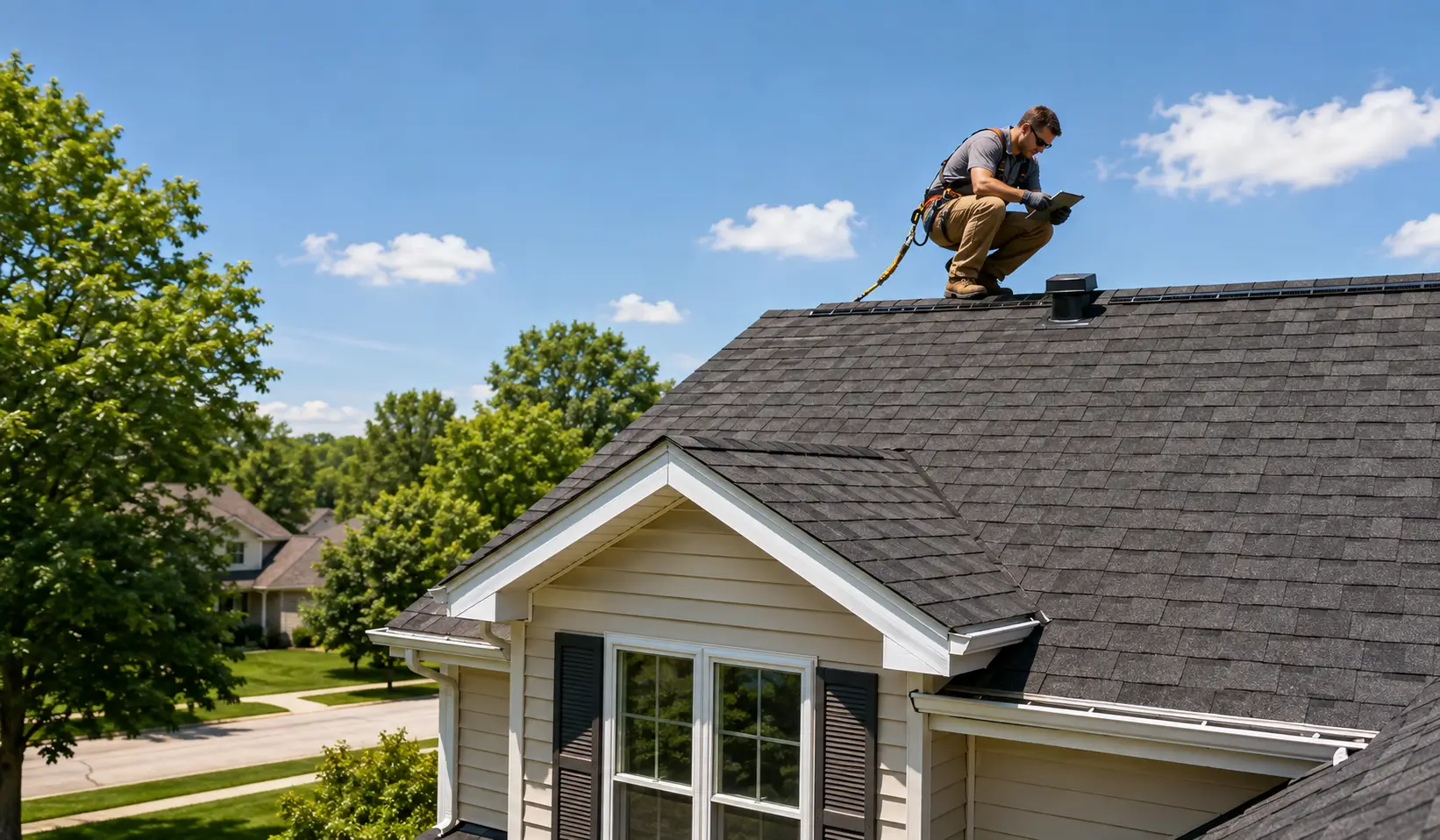
The Biggest Summer Roofing Mistake: Ignoring Ventilation
A new roof can look flawless from the outside while still performing poorly if the attic underneath cannot manage heat and moisture properly.
Roofing materials, insulation, air sealing, and ventilation all affect how the system performs throughout the year.
Heat Buildup Can Stress Roofing Materials
Attics can become extremely hot during sunny Illinois afternoons.
When warm air becomes trapped beneath the roof deck, roofing materials may experience prolonged heat exposure from both the sun above and the attic below.
That does not mean attic heat automatically ruins shingles, but excessive heat can contribute to faster aging when ventilation, insulation, or installation conditions are already poor.
This is why ventilation issues in a roof system should be evaluated before simply replacing visible materials.
Poor Airflow Can Trap Attic Moisture
Ventilation is not only about heat.
Warm, humid air from inside the home can move into the attic and collect around decking, rafters, insulation, and roof penetrations.
If moisture cannot move out effectively, homeowners may notice:
Musty attic odors
Damp insulation
Darkened wood
Condensation around fasteners or vents
Mold-like staining
Uneven attic temperatures
These signs do not always point to the same cause, so a professional inspection is often needed to determine whether ventilation, air leakage, insulation, or an exterior leak is responsible.
Poor Attic Conditions Can Affect Cooling Demand
A poorly performing attic can hold more heat during summer.
Ventilation alone is not a substitute for proper insulation or air sealing, but an attic system that manages heat and moisture correctly can help reduce unnecessary stress on the home during hot weather.
That is why a roofing contractor should look at more than shingles when evaluating a summer project.
Why Shingle Curling Can Become More Noticeable in Summer
Shingle curling is one of the easiest roof problems to notice from the ground.
Edges may begin to lift, corners can turn upward, or individual shingles may no longer lie flat against the roof.
Summer heat can make existing problems more noticeable, but curling rarely has one single cause.
High Attic Temperatures Can Accelerate Existing Wear
Long periods of heat can place additional stress on older roofing materials.
If shingles are already aging, poorly ventilated, or beginning to lose flexibility, hot weather may make curling or distortion easier to see.
Curling can also indicate that shingles are approaching the end of their useful condition or that another part of the roof system needs attention.
Installation Errors Can Become More Noticeable in Hot Weather
Hot shingles are softer and more vulnerable to scuffing or surface damage during installation.
Proper placement, fastening, alignment, and handling matter regardless of season.
During hot-weather installation, crews also need to account for surface temperature and working conditions when handling shingles.
A summer installation should not create curling when the roof is properly designed and installed.
Material Quality and Product Selection Matter
Not every roofing product is designed, stored, or installed the same way.
Shingles that are already damaged, improperly stored, unsuitable for the application, or installed outside manufacturer requirements may develop problems sooner.
Rather than assuming a product is “cheap” or automatically inferior, homeowners should ask which roofing system is being installed and why it fits their home.
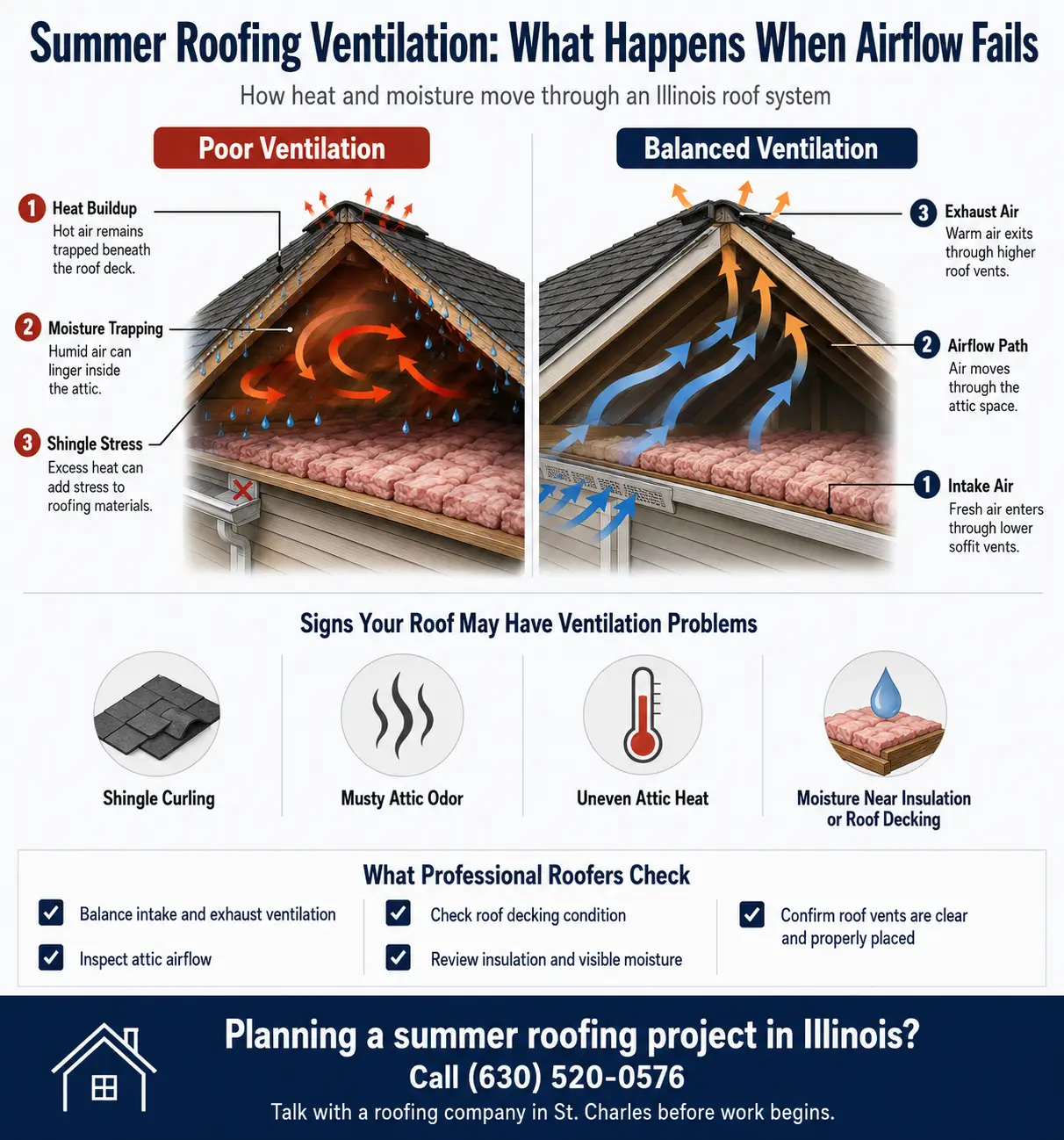
Balanced intake and exhaust ventilation helps move heat and moisture through the attic, while poor airflow can contribute to shingle stress and moisture problems.
DIY Roofing Problems That Create Bigger Repairs
Summer weekends can make roof work look manageable.
But DIY roof dangers include more than the risk of falling. Installation mistakes can also create leaks that remain hidden until the next heavy rain or seasonal weather change.
Incorrect Nail Placement
Roofing nails need to be placed according to the specific shingle and installation instructions.
Nails placed too high, too low, at an angle, or with incorrect pressure can interfere with how shingles stay secured.
A mistake may not be visible immediately, but wind and repeated weather exposure can reveal weaknesses later.
Improper Flashing Installation
Flashing protects some of the most vulnerable parts of the roof, including:
Chimneys
Walls
Valleys
Skylights
Plumbing vents
Other roof penetrations
Simply applying sealant around these areas is not the same as installing flashing correctly.
Poorly integrated flashing can allow water to move behind the roofing material and into decking or wall assemblies.
Walking on Hot Shingles Can Damage the Surface
Asphalt shingles can become very hot and softer under direct summer sunlight.
Walking across them unnecessarily may scuff granules or leave marks, especially when roof surfaces are extremely warm.
Homeowners should avoid climbing onto the roof to perform their own close inspection.
Many warning signs can be observed safely from the ground or attic, while a roofing professional can inspect areas that require roof access.
Summer Roof Work Creates Serious Safety Risks
High roof surfaces, steep slopes, hot materials, ladders, tools, and prolonged sun exposure create a hazardous combination.
Heat exhaustion and dehydration can add another layer of risk during summer work.
Roof repair is one project where professional training and safety equipment matter as much as the materials being installed.
What Professional Roofers Do Differently
Professional roofing work should involve more than removing old shingles and installing new ones.
A qualified contractor evaluates how different parts of the roofing system interact.
Balance Intake and Exhaust Ventilation
Attic ventilation generally relies on air entering through lower intake vents and exiting through higher exhaust vents.
A contractor can inspect whether vents are blocked, poorly positioned, or otherwise contributing to an airflow problem.
The goal is not simply to add more vents. The ventilation system should work together with insulation, air sealing, and the roof design.
Follow Manufacturer Installation Requirements
Professional crews should install shingles, flashing, underlayment, fasteners, ventilation components, and other materials according to the applicable product requirements.
This becomes especially important during hot weather when shingles and sealants may react differently to surface temperature.
Check Roof Decking Before Covering It
Once old roofing material is removed, the underlying roof deck becomes visible.
This is the time to look for:
Soft or damaged sections
Moisture staining
Deteriorated wood
Improper spacing
Uneven surfaces
Areas requiring repair before new roofing is installed
Covering damaged decking with new shingles does not solve the underlying problem.
Plan Work Around Illinois Summer Conditions
Summer roofing does not need to happen during the hottest part of the day.
Experienced contractors can plan work around weather forecasts, roof-surface temperatures, rain risk, and crew safety.
That preparation can also help protect exposed roof areas while work is underway.
Questions to Ask Before Hiring a Roofing CompanyChoosing the contractor is just as important as choosing the shingles. Before hiring a roofing company in St. Charles, ask questions that reveal how thoroughly the contractor evaluates the whole roof system. Are You Properly Licensed and Insured?Ask the contractor to provide current licensing and insurance information applicable to the roofing work being performed. Homeowners should verify credentials rather than relying only on a website statement or sales conversation. How Do You Handle Summer Roofing Installations?Ask how the crew manages:
A contractor should be able to explain the process clearly. Will You Inspect the Attic Ventilation?If the contractor only discusses shingle color and appearance, ask what will happen beneath the roof surface. A complete evaluation should consider attic conditions, ventilation, visible decking problems, and other factors that could affect long-term performance. What Happens If You Find Damaged Decking?Find out how unexpected decking repairs are documented and communicated before work continues. The contractor should be able to explain how damaged areas are identified and what happens next. Will the Installation Follow Manufacturer Requirements?Ask what roofing system is being proposed and whether installation will follow the relevant manufacturer's specifications. This is especially important when combining shingles, underlayment, flashing, vents, and other roofing components. |
Talk With a Roofing Company in St. Charles Before Starting |
The biggest summer roofing mistake is treating the roof as a layer of shingles rather than a complete system. Ventilation, attic moisture, decking condition, flashing, installation quality, and weather all affect how well the finished roof performs. Before starting your project, talk with an experienced roofing company in St. Charles that can inspect the roof, attic, ventilation, and underlying materials. Call (630) 520-0576 to discuss your summer roofing project. |
[Summer Roofing Services IL] | [Schedule a Roofing Consultation] |
Summer seems like the perfect time for roofing work, but one of the most common roofing mistakes IL homeowners make is overlooking attic ventilation before repair or replacement work begins. Poor airflow can trap heat and moisture beneath the roof system, contribute to premature wear, and make existing roofing problems harder to spot.
Hot, humid Illinois weather can expose weaknesses quickly. Before starting a summer roofing project, homeowners should look beyond the shingles and consider how the entire roof and attic system work together.
The Biggest Summer Roofing Mistake: Ignoring Ventilation
A new roof can look flawless from the outside while still performing poorly if the attic underneath cannot manage heat and moisture properly.
Roofing materials, insulation, air sealing, and ventilation all affect how the system performs throughout the year.
Heat Buildup Can Stress Roofing Materials
Attics can become extremely hot during sunny Illinois afternoons.
When warm air becomes trapped beneath the roof deck, roofing materials may experience prolonged heat exposure from both the sun above and the attic below.
That does not mean attic heat automatically ruins shingles, but excessive heat can contribute to faster aging when ventilation, insulation, or installation conditions are already poor.
This is why ventilation issues in a roof system should be evaluated before simply replacing visible materials.
Poor Airflow Can Trap Attic Moisture
Ventilation is not only about heat.
Warm, humid air from inside the home can move into the attic and collect around decking, rafters, insulation, and roof penetrations.
If moisture cannot move out effectively, homeowners may notice:
Musty attic odors
Damp insulation
Darkened wood
Condensation around fasteners or vents
Mold-like staining
Uneven attic temperatures
These signs do not always point to the same cause, so a professional inspection is often needed to determine whether ventilation, air leakage, insulation, or an exterior leak is responsible.
Poor Attic Conditions Can Affect Cooling Demand
A poorly performing attic can hold more heat during summer.
Ventilation alone is not a substitute for proper insulation or air sealing, but an attic system that manages heat and moisture correctly can help reduce unnecessary stress on the home during hot weather.
That is why a roofing contractor should look at more than shingles when evaluating a summer project.
Why Shingle Curling Can Become More Noticeable in Summer
Shingle curling is one of the easiest roof problems to notice from the ground.
Edges may begin to lift, corners can turn upward, or individual shingles may no longer lie flat against the roof.
Summer heat can make existing problems more noticeable, but curling rarely has one single cause.
High Attic Temperatures Can Accelerate Existing Wear
Long periods of heat can place additional stress on older roofing materials.
If shingles are already aging, poorly ventilated, or beginning to lose flexibility, hot weather may make curling or distortion easier to see.
Curling can also indicate that shingles are approaching the end of their useful condition or that another part of the roof system needs attention.
Installation Errors Can Become More Noticeable in Hot Weather
Hot shingles are softer and more vulnerable to scuffing or surface damage during installation.
Proper placement, fastening, alignment, and handling matter regardless of season.
During hot-weather installation, crews also need to account for surface temperature and working conditions when handling shingles.
A summer installation should not create curling when the roof is properly designed and installed.
Material Quality and Product Selection Matter
Not every roofing product is designed, stored, or installed the same way.
Shingles that are already damaged, improperly stored, unsuitable for the application, or installed outside manufacturer requirements may develop problems sooner.
Rather than assuming a product is “cheap” or automatically inferior, homeowners should ask which roofing system is being installed and why it fits their home.
Balanced intake and exhaust ventilation helps move heat and moisture through the attic, while poor airflow can contribute to shingle stress and moisture problems.
DIY Roofing Problems That Create Bigger Repairs
Summer weekends can make roof work look manageable.
But DIY roof dangers include more than the risk of falling. Installation mistakes can also create leaks that remain hidden until the next heavy rain or seasonal weather change.
Incorrect Nail Placement
Roofing nails need to be placed according to the specific shingle and installation instructions.
Nails placed too high, too low, at an angle, or with incorrect pressure can interfere with how shingles stay secured.
A mistake may not be visible immediately, but wind and repeated weather exposure can reveal weaknesses later.
Improper Flashing Installation
Flashing protects some of the most vulnerable parts of the roof, including:
Chimneys
Walls
Valleys
Skylights
Plumbing vents
Other roof penetrations
Simply applying sealant around these areas is not the same as installing flashing correctly.
Poorly integrated flashing can allow water to move behind the roofing material and into decking or wall assemblies.
Walking on Hot Shingles Can Damage the Surface
Asphalt shingles can become very hot and softer under direct summer sunlight.
Walking across them unnecessarily may scuff granules or leave marks, especially when roof surfaces are extremely warm.
Homeowners should avoid climbing onto the roof to perform their own close inspection.
Many warning signs can be observed safely from the ground or attic, while a roofing professional can inspect areas that require roof access.
Summer Roof Work Creates Serious Safety Risks
High roof surfaces, steep slopes, hot materials, ladders, tools, and prolonged sun exposure create a hazardous combination.
Heat exhaustion and dehydration can add another layer of risk during summer work.
Roof repair is one project where professional training and safety equipment matter as much as the materials being installed.
What Professional Roofers Do Differently
Professional roofing work should involve more than removing old shingles and installing new ones.
A qualified contractor evaluates how different parts of the roofing system interact.
Balance Intake and Exhaust Ventilation
Attic ventilation generally relies on air entering through lower intake vents and exiting through higher exhaust vents.
A contractor can inspect whether vents are blocked, poorly positioned, or otherwise contributing to an airflow problem.
The goal is not simply to add more vents. The ventilation system should work together with insulation, air sealing, and the roof design.
Follow Manufacturer Installation Requirements
Professional crews should install shingles, flashing, underlayment, fasteners, ventilation components, and other materials according to the applicable product requirements.
This becomes especially important during hot weather when shingles and sealants may react differently to surface temperature.
Check Roof Decking Before Covering It
Once old roofing material is removed, the underlying roof deck becomes visible.
This is the time to look for:
Soft or damaged sections
Moisture staining
Deteriorated wood
Improper spacing
Uneven surfaces
Areas requiring repair before new roofing is installed
Covering damaged decking with new shingles does not solve the underlying problem.
Plan Work Around Illinois Summer Conditions
Summer roofing does not need to happen during the hottest part of the day.
Experienced contractors can plan work around weather forecasts, roof-surface temperatures, rain risk, and crew safety.
That preparation can also help protect exposed roof areas while work is underway.
Questions to Ask Before Hiring a Roofing CompanyChoosing the contractor is just as important as choosing the shingles. Before hiring a roofing company in St. Charles, ask questions that reveal how thoroughly the contractor evaluates the whole roof system. Are You Properly Licensed and Insured?Ask the contractor to provide current licensing and insurance information applicable to the roofing work being performed. Homeowners should verify credentials rather than relying only on a website statement or sales conversation. How Do You Handle Summer Roofing Installations?Ask how the crew manages:
A contractor should be able to explain the process clearly. Will You Inspect the Attic Ventilation?If the contractor only discusses shingle color and appearance, ask what will happen beneath the roof surface. A complete evaluation should consider attic conditions, ventilation, visible decking problems, and other factors that could affect long-term performance. What Happens If You Find Damaged Decking?Find out how unexpected decking repairs are documented and communicated before work continues. The contractor should be able to explain how damaged areas are identified and what happens next. Will the Installation Follow Manufacturer Requirements?Ask what roofing system is being proposed and whether installation will follow the relevant manufacturer's specifications. This is especially important when combining shingles, underlayment, flashing, vents, and other roofing components. |
Talk With a Roofing Company in St. Charles Before Starting |
The biggest summer roofing mistake is treating the roof as a layer of shingles rather than a complete system. Ventilation, attic moisture, decking condition, flashing, installation quality, and weather all affect how well the finished roof performs. Before starting your project, talk with an experienced roofing company in St. Charles that can inspect the roof, attic, ventilation, and underlying materials. Call (630) 520-0576 to discuss your summer roofing project. |
[Summer Roofing Services IL] | [Schedule a Roofing Consultation] |
Summer seems like the perfect time for roofing work, but one of the most common roofing mistakes IL homeowners make is overlooking attic ventilation before repair or replacement work begins. Poor airflow can trap heat and moisture beneath the roof system, contribute to premature wear, and make existing roofing problems harder to spot.
Hot, humid Illinois weather can expose weaknesses quickly. Before starting a summer roofing project, homeowners should look beyond the shingles and consider how the entire roof and attic system work together.
The Biggest Summer Roofing Mistake: Ignoring Ventilation
A new roof can look flawless from the outside while still performing poorly if the attic underneath cannot manage heat and moisture properly.
Roofing materials, insulation, air sealing, and ventilation all affect how the system performs throughout the year.
Heat Buildup Can Stress Roofing Materials
Attics can become extremely hot during sunny Illinois afternoons.
When warm air becomes trapped beneath the roof deck, roofing materials may experience prolonged heat exposure from both the sun above and the attic below.
That does not mean attic heat automatically ruins shingles, but excessive heat can contribute to faster aging when ventilation, insulation, or installation conditions are already poor.
This is why ventilation issues in a roof system should be evaluated before simply replacing visible materials.
Poor Airflow Can Trap Attic Moisture
Ventilation is not only about heat.
Warm, humid air from inside the home can move into the attic and collect around decking, rafters, insulation, and roof penetrations.
If moisture cannot move out effectively, homeowners may notice:
Musty attic odors
Damp insulation
Darkened wood
Condensation around fasteners or vents
Mold-like staining
Uneven attic temperatures
These signs do not always point to the same cause, so a professional inspection is often needed to determine whether ventilation, air leakage, insulation, or an exterior leak is responsible.
Poor Attic Conditions Can Affect Cooling Demand
A poorly performing attic can hold more heat during summer.
Ventilation alone is not a substitute for proper insulation or air sealing, but an attic system that manages heat and moisture correctly can help reduce unnecessary stress on the home during hot weather.
That is why a roofing contractor should look at more than shingles when evaluating a summer project.
Why Shingle Curling Can Become More Noticeable in Summer
Shingle curling is one of the easiest roof problems to notice from the ground.
Edges may begin to lift, corners can turn upward, or individual shingles may no longer lie flat against the roof.
Summer heat can make existing problems more noticeable, but curling rarely has one single cause.
High Attic Temperatures Can Accelerate Existing Wear
Long periods of heat can place additional stress on older roofing materials.
If shingles are already aging, poorly ventilated, or beginning to lose flexibility, hot weather may make curling or distortion easier to see.
Curling can also indicate that shingles are approaching the end of their useful condition or that another part of the roof system needs attention.
Installation Errors Can Become More Noticeable in Hot Weather
Hot shingles are softer and more vulnerable to scuffing or surface damage during installation.
Proper placement, fastening, alignment, and handling matter regardless of season.
During hot-weather installation, crews also need to account for surface temperature and working conditions when handling shingles.
A summer installation should not create curling when the roof is properly designed and installed.
Material Quality and Product Selection Matter
Not every roofing product is designed, stored, or installed the same way.
Shingles that are already damaged, improperly stored, unsuitable for the application, or installed outside manufacturer requirements may develop problems sooner.
Rather than assuming a product is “cheap” or automatically inferior, homeowners should ask which roofing system is being installed and why it fits their home.
Balanced intake and exhaust ventilation helps move heat and moisture through the attic, while poor airflow can contribute to shingle stress and moisture problems.
DIY Roofing Problems That Create Bigger Repairs
Summer weekends can make roof work look manageable.
But DIY roof dangers include more than the risk of falling. Installation mistakes can also create leaks that remain hidden until the next heavy rain or seasonal weather change.
Incorrect Nail Placement
Roofing nails need to be placed according to the specific shingle and installation instructions.
Nails placed too high, too low, at an angle, or with incorrect pressure can interfere with how shingles stay secured.
A mistake may not be visible immediately, but wind and repeated weather exposure can reveal weaknesses later.
Improper Flashing Installation
Flashing protects some of the most vulnerable parts of the roof, including:
Chimneys
Walls
Valleys
Skylights
Plumbing vents
Other roof penetrations
Simply applying sealant around these areas is not the same as installing flashing correctly.
Poorly integrated flashing can allow water to move behind the roofing material and into decking or wall assemblies.
Walking on Hot Shingles Can Damage the Surface
Asphalt shingles can become very hot and softer under direct summer sunlight.
Walking across them unnecessarily may scuff granules or leave marks, especially when roof surfaces are extremely warm.
Homeowners should avoid climbing onto the roof to perform their own close inspection.
Many warning signs can be observed safely from the ground or attic, while a roofing professional can inspect areas that require roof access.
Summer Roof Work Creates Serious Safety Risks
High roof surfaces, steep slopes, hot materials, ladders, tools, and prolonged sun exposure create a hazardous combination.
Heat exhaustion and dehydration can add another layer of risk during summer work.
Roof repair is one project where professional training and safety equipment matter as much as the materials being installed.
What Professional Roofers Do Differently
Professional roofing work should involve more than removing old shingles and installing new ones.
A qualified contractor evaluates how different parts of the roofing system interact.
Balance Intake and Exhaust Ventilation
Attic ventilation generally relies on air entering through lower intake vents and exiting through higher exhaust vents.
A contractor can inspect whether vents are blocked, poorly positioned, or otherwise contributing to an airflow problem.
The goal is not simply to add more vents. The ventilation system should work together with insulation, air sealing, and the roof design.
Follow Manufacturer Installation Requirements
Professional crews should install shingles, flashing, underlayment, fasteners, ventilation components, and other materials according to the applicable product requirements.
This becomes especially important during hot weather when shingles and sealants may react differently to surface temperature.
Check Roof Decking Before Covering It
Once old roofing material is removed, the underlying roof deck becomes visible.
This is the time to look for:
Soft or damaged sections
Moisture staining
Deteriorated wood
Improper spacing
Uneven surfaces
Areas requiring repair before new roofing is installed
Covering damaged decking with new shingles does not solve the underlying problem.
Plan Work Around Illinois Summer Conditions
Summer roofing does not need to happen during the hottest part of the day.
Experienced contractors can plan work around weather forecasts, roof-surface temperatures, rain risk, and crew safety.
That preparation can also help protect exposed roof areas while work is underway.
Questions to Ask Before Hiring a Roofing CompanyChoosing the contractor is just as important as choosing the shingles. Before hiring a roofing company in St. Charles, ask questions that reveal how thoroughly the contractor evaluates the whole roof system. Are You Properly Licensed and Insured?Ask the contractor to provide current licensing and insurance information applicable to the roofing work being performed. Homeowners should verify credentials rather than relying only on a website statement or sales conversation. How Do You Handle Summer Roofing Installations?Ask how the crew manages:
A contractor should be able to explain the process clearly. Will You Inspect the Attic Ventilation?If the contractor only discusses shingle color and appearance, ask what will happen beneath the roof surface. A complete evaluation should consider attic conditions, ventilation, visible decking problems, and other factors that could affect long-term performance. What Happens If You Find Damaged Decking?Find out how unexpected decking repairs are documented and communicated before work continues. The contractor should be able to explain how damaged areas are identified and what happens next. Will the Installation Follow Manufacturer Requirements?Ask what roofing system is being proposed and whether installation will follow the relevant manufacturer's specifications. This is especially important when combining shingles, underlayment, flashing, vents, and other roofing components. |
Talk With a Roofing Company in St. Charles Before Starting |
The biggest summer roofing mistake is treating the roof as a layer of shingles rather than a complete system. Ventilation, attic moisture, decking condition, flashing, installation quality, and weather all affect how well the finished roof performs. Before starting your project, talk with an experienced roofing company in St. Charles that can inspect the roof, attic, ventilation, and underlying materials. Call (630) 520-0576 to discuss your summer roofing project. |
[Summer Roofing Services IL] | [Schedule a Roofing Consultation] |
Summer seems like the perfect time for roofing work, but one of the most common roofing mistakes IL homeowners make is overlooking attic ventilation before repair or replacement work begins. Poor airflow can trap heat and moisture beneath the roof system, contribute to premature wear, and make existing roofing problems harder to spot.
Hot, humid Illinois weather can expose weaknesses quickly. Before starting a summer roofing project, homeowners should look beyond the shingles and consider how the entire roof and attic system work together.
The Biggest Summer Roofing Mistake: Ignoring Ventilation
A new roof can look flawless from the outside while still performing poorly if the attic underneath cannot manage heat and moisture properly.
Roofing materials, insulation, air sealing, and ventilation all affect how the system performs throughout the year.
Heat Buildup Can Stress Roofing Materials
Attics can become extremely hot during sunny Illinois afternoons.
When warm air becomes trapped beneath the roof deck, roofing materials may experience prolonged heat exposure from both the sun above and the attic below.
That does not mean attic heat automatically ruins shingles, but excessive heat can contribute to faster aging when ventilation, insulation, or installation conditions are already poor.
This is why ventilation issues in a roof system should be evaluated before simply replacing visible materials.
Poor Airflow Can Trap Attic Moisture
Ventilation is not only about heat.
Warm, humid air from inside the home can move into the attic and collect around decking, rafters, insulation, and roof penetrations.
If moisture cannot move out effectively, homeowners may notice:
Musty attic odors
Damp insulation
Darkened wood
Condensation around fasteners or vents
Mold-like staining
Uneven attic temperatures
These signs do not always point to the same cause, so a professional inspection is often needed to determine whether ventilation, air leakage, insulation, or an exterior leak is responsible.
Poor Attic Conditions Can Affect Cooling Demand
A poorly performing attic can hold more heat during summer.
Ventilation alone is not a substitute for proper insulation or air sealing, but an attic system that manages heat and moisture correctly can help reduce unnecessary stress on the home during hot weather.
That is why a roofing contractor should look at more than shingles when evaluating a summer project.
Why Shingle Curling Can Become More Noticeable in Summer
Shingle curling is one of the easiest roof problems to notice from the ground.
Edges may begin to lift, corners can turn upward, or individual shingles may no longer lie flat against the roof.
Summer heat can make existing problems more noticeable, but curling rarely has one single cause.
High Attic Temperatures Can Accelerate Existing Wear
Long periods of heat can place additional stress on older roofing materials.
If shingles are already aging, poorly ventilated, or beginning to lose flexibility, hot weather may make curling or distortion easier to see.
Curling can also indicate that shingles are approaching the end of their useful condition or that another part of the roof system needs attention.
Installation Errors Can Become More Noticeable in Hot Weather
Hot shingles are softer and more vulnerable to scuffing or surface damage during installation.
Proper placement, fastening, alignment, and handling matter regardless of season.
During hot-weather installation, crews also need to account for surface temperature and working conditions when handling shingles.
A summer installation should not create curling when the roof is properly designed and installed.
Material Quality and Product Selection Matter
Not every roofing product is designed, stored, or installed the same way.
Shingles that are already damaged, improperly stored, unsuitable for the application, or installed outside manufacturer requirements may develop problems sooner.
Rather than assuming a product is “cheap” or automatically inferior, homeowners should ask which roofing system is being installed and why it fits their home.
Balanced intake and exhaust ventilation helps move heat and moisture through the attic, while poor airflow can contribute to shingle stress and moisture problems.
DIY Roofing Problems That Create Bigger Repairs
Summer weekends can make roof work look manageable.
But DIY roof dangers include more than the risk of falling. Installation mistakes can also create leaks that remain hidden until the next heavy rain or seasonal weather change.
Incorrect Nail Placement
Roofing nails need to be placed according to the specific shingle and installation instructions.
Nails placed too high, too low, at an angle, or with incorrect pressure can interfere with how shingles stay secured.
A mistake may not be visible immediately, but wind and repeated weather exposure can reveal weaknesses later.
Improper Flashing Installation
Flashing protects some of the most vulnerable parts of the roof, including:
Chimneys
Walls
Valleys
Skylights
Plumbing vents
Other roof penetrations
Simply applying sealant around these areas is not the same as installing flashing correctly.
Poorly integrated flashing can allow water to move behind the roofing material and into decking or wall assemblies.
Walking on Hot Shingles Can Damage the Surface
Asphalt shingles can become very hot and softer under direct summer sunlight.
Walking across them unnecessarily may scuff granules or leave marks, especially when roof surfaces are extremely warm.
Homeowners should avoid climbing onto the roof to perform their own close inspection.
Many warning signs can be observed safely from the ground or attic, while a roofing professional can inspect areas that require roof access.
Summer Roof Work Creates Serious Safety Risks
High roof surfaces, steep slopes, hot materials, ladders, tools, and prolonged sun exposure create a hazardous combination.
Heat exhaustion and dehydration can add another layer of risk during summer work.
Roof repair is one project where professional training and safety equipment matter as much as the materials being installed.
What Professional Roofers Do Differently
Professional roofing work should involve more than removing old shingles and installing new ones.
A qualified contractor evaluates how different parts of the roofing system interact.
Balance Intake and Exhaust Ventilation
Attic ventilation generally relies on air entering through lower intake vents and exiting through higher exhaust vents.
A contractor can inspect whether vents are blocked, poorly positioned, or otherwise contributing to an airflow problem.
The goal is not simply to add more vents. The ventilation system should work together with insulation, air sealing, and the roof design.
Follow Manufacturer Installation Requirements
Professional crews should install shingles, flashing, underlayment, fasteners, ventilation components, and other materials according to the applicable product requirements.
This becomes especially important during hot weather when shingles and sealants may react differently to surface temperature.
Check Roof Decking Before Covering It
Once old roofing material is removed, the underlying roof deck becomes visible.
This is the time to look for:
Soft or damaged sections
Moisture staining
Deteriorated wood
Improper spacing
Uneven surfaces
Areas requiring repair before new roofing is installed
Covering damaged decking with new shingles does not solve the underlying problem.
Plan Work Around Illinois Summer Conditions
Summer roofing does not need to happen during the hottest part of the day.
Experienced contractors can plan work around weather forecasts, roof-surface temperatures, rain risk, and crew safety.
That preparation can also help protect exposed roof areas while work is underway.
Questions to Ask Before Hiring a Roofing CompanyChoosing the contractor is just as important as choosing the shingles. Before hiring a roofing company in St. Charles, ask questions that reveal how thoroughly the contractor evaluates the whole roof system. Are You Properly Licensed and Insured?Ask the contractor to provide current licensing and insurance information applicable to the roofing work being performed. Homeowners should verify credentials rather than relying only on a website statement or sales conversation. How Do You Handle Summer Roofing Installations?Ask how the crew manages:
A contractor should be able to explain the process clearly. Will You Inspect the Attic Ventilation?If the contractor only discusses shingle color and appearance, ask what will happen beneath the roof surface. A complete evaluation should consider attic conditions, ventilation, visible decking problems, and other factors that could affect long-term performance. What Happens If You Find Damaged Decking?Find out how unexpected decking repairs are documented and communicated before work continues. The contractor should be able to explain how damaged areas are identified and what happens next. Will the Installation Follow Manufacturer Requirements?Ask what roofing system is being proposed and whether installation will follow the relevant manufacturer's specifications. This is especially important when combining shingles, underlayment, flashing, vents, and other roofing components. |
Talk With a Roofing Company in St. Charles Before Starting |
The biggest summer roofing mistake is treating the roof as a layer of shingles rather than a complete system. Ventilation, attic moisture, decking condition, flashing, installation quality, and weather all affect how well the finished roof performs. Before starting your project, talk with an experienced roofing company in St. Charles that can inspect the roof, attic, ventilation, and underlying materials. Call (630) 520-0576 to discuss your summer roofing project. |
[Summer Roofing Services IL] | [Schedule a Roofing Consultation] |


Pricing & financing



Copyright © 2025 Top Quality Roofing and Siding
Pricing & financing
Copyright © 2025 Top Quality Roofing and Siding
Pricing & financing

Copyright © 2025 Top Quality Roofing and Siding