
Free Estimates on New Roof, Siding, Gutter Replacements


Free Estimates on New Roof, Siding, Gutter Replacements
(630) 520-0576
Mon - Sat: 8am to 8pm

Roof Snow Removal in Illinois: DIY or Call a Pro?









Safe Roof Snow Removal for Illinois Homes During Winter Storms
Roof snow removal in Illinois becomes important after heavy winter storms when wet snow builds up on rooftops. Wet snow can weigh up to 20 pounds per cubic foot, which puts a lot of pressure on a roof. The National Weather Service explains that wet, compacted snow can quickly increase the weight placed on structures during winter storms. As snow melts and refreezes, moisture can work its way under roofing materials and lead to interior damage.
Top Quality Roofing & Siding has helped homeowners across DuPage, Kane, and Cook counties protect their homes during severe winter storms. Knowing when snow should be removed can help prevent costly structural issues and interior water damage.
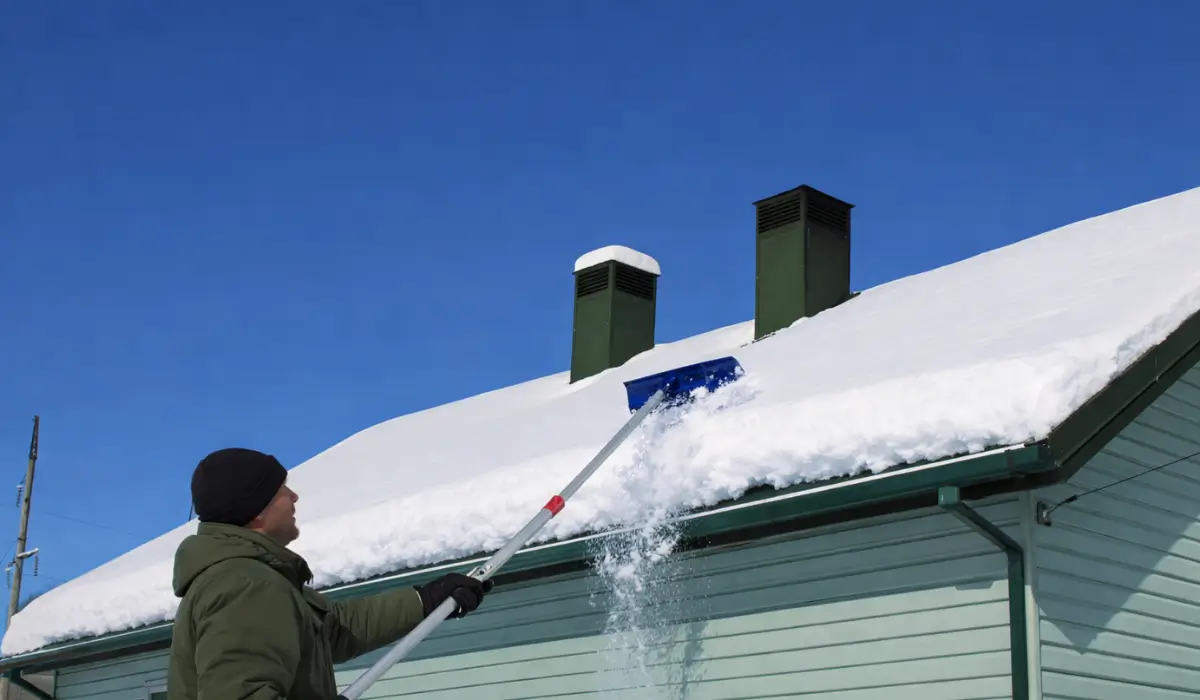
Light snowfall can often be cleared safely with a roof rake from the ground. However, deeper accumulation or steep roof designs often require professional roof snow removal to prevent accidents and roofing damage.
When Is Roof Snow Dangerous?
Snow on a roof becomes dangerous when buildup continues during repeated winter storms. When new snowfall piles up before earlier snow melts, the total weight can increase quickly.
Homeowners should watch for warning signs that snow levels may be becoming unsafe.
Common warning signs include:
6 inches or more of wet snow building up on the roof
New snowfall piling up before earlier snow melts
Heavy snow collecting near roof edges, overhangs, or valleys
Snow blocking attic vents or exhaust pipes
Indoor signs such as ceiling sagging, creaking sounds, or water stains
Homes in DuPage, Kane, and Cook counties often experience cycles of melting and refreezing during winter storms. The National Weather Service notes that these conditions can lead to ice dams forming along roof edges, which trap water on the roof These conditions can make snow buildup harder to notice until problems begin inside the home.
When these warning signs appear, it is often safest to schedule roof snow removal before structural damage begins.
Snow becomes dangerous when buildup continues during repeated storms and warning signs begin to appear.
DIY Snow Removal: Tools, Safety, and Limits
Many homeowners try to remove snow from their roofs using simple tools. This can work when snowfall is moderate and the roof can be reached safely from the ground. The goal is to clear snow without damaging shingles or putting yourself at risk during icy conditions.
For most homes, the safest method is to work from the ground rather than climbing onto the roof.
Recommended DIY tools
Long-handled roof rake with soft rollers
Lightweight aluminum extension poles
Non-metal rake blades designed for shingles
Using the right tools helps reduce the chance of scraping or damaging shingles while clearing snow near the roof edge.
Winter roof safety guidelines
Stand firmly on the ground whenever possible
Clear about 2–3 feet of snow from the roof edge
Work slowly rather than removing large heavy sections
Avoid ladders on icy surfaces without proper stabilization
Never attempt snow removal during snowfall or high winds
A common mistake homeowners make is trying to chip away ice using shovels or sharp tools. That approach can crack shingles or damage flashing around vents and skylights.
Homeowners unsure about safe conditions often contact best roofers near Naperville IL for professional guidance.
DIY snow removal can work for light snow but becomes risky when snow buildup increases or ice begins to form.
When to Call a Roofing Professional for Snow Removal
DIY snow removal has limits, especially when weather conditions or roof design make the work unsafe. Professional crews use specialized tools and safety systems to remove snow without damaging shingles, flashing, or roof vents.
Several warning signs indicate that professional help may be the safest option.
Situations that require professional snow removal
Ice dams forming along roof edges
Water stains appearing on ceilings or walls
Snow covering attic vents or exhaust pipes
Steep roof pitch that prevents safe access
Snow accumulation exceeding 8–12 inches
Frozen gutters blocking proper drainage
Professional roofing crews have equipment and safety systems that allow them to remove snow safely while protecting roofing materials.
Homes across Naperville, Warrenville, and nearby Chicago suburbs often experience heavy winter snowfall, which can make roof snow removal IL more difficult for homeowners to manage safely.
➡️ Homeowners who need assistance during severe winter conditions can contact our team at (630) 520-0576. |
Professional snow removal is recommended when snow buildup, roof access, or safety conditions make DIY removal unsafe.
How Emergency Tarping Works During Roof Snow Removal
Heavy snow sometimes exposes damaged areas that require temporary protection. Emergency tarping is used to cover vulnerable roof sections and keep moisture out until permanent repairs can be completed.
A reinforced tarp acts as a temporary barrier placed over the affected area.
The process usually involves
Clearing snow around the damaged section
Locating the area that needs protection
Installing a reinforced waterproof tarp
Securing the tarp so it stays in place during wind and snowfall
Emergency tarping helps homeowners protect the inside of the home while repairs are being scheduled. This temporary solution allows roofing crews to stabilize the situation without rushing into immediate major repairs.
Roofing crews familiar with winter conditions in Illinois often coordinate tarping while removing snow so the roof remains protected.
Emergency tarping provides temporary protection while permanent roof repairs are arranged.
Post-Storm Roof Snow Removal Checklist for Illinois Homes
Snowstorms can hide roofing problems that only appear after melting begins. A quick inspection following roof snow removal helps homeowners detect early signs of damage before spring rain arrives.
Winter roof inspection checklist
Inspect the attic for dripping water or damp insulation
Look for frost buildup on rafters or roof decking
Confirm gutters and downspouts are clear of ice
Photograph any visible damage for insurance documentation
Monitor ceilings for new stains or bubbling paint
Schedule a professional roof inspection within several days
Visible roof damage should not be ignored during winter. Delays can allow moisture to spread into insulation or other building materials.
Homeowners who want confirmation that their roof remains in good condition can request a professional inspection or damage assessment.
Examples of recent storm recovery work can be viewed in our roofing project gallery. Homeowners concerned about winter roof safety can also schedule an inspection using the roof inspection request form.
A post-storm inspection helps homeowners detect hidden roof damage early.
DIY vs Professional Roof Snow Removal Comparison
Factor | DIY Roof Snow Removal | Professional Roof Snow Removal |
Safety | Ground-based raking only | Full safety harness systems |
Snow depth | Best under 6 inches | Safe for heavy snow loads |
Ice dams | Difficult to remove safely | Specialized removal methods |
Roof protection | Risk of shingle damage | Controlled clearing techniques |
Emergency leaks | Cannot stabilize damage | Tarping and emergency repair |
Common Homeowner Questions About Roof Snow Removal
Can snow damage a roof even if there are no leaks yet?
Yes. Snow buildup can place stress on roofing materials even when there are no visible signs inside the home. A roof inspection can confirm whether the structure remains in good condition.
Is it safe to remove snow from a roof after dark?
Snow removal is safest during daylight when roof edges, walkways, and surrounding areas are clearly visible. Poor visibility increases the risk of slips or missed hazards.
Should snow be cleared from the entire roof or only the edges?
Many homeowners remove snow near the lower roof edge first. This area is often cleared to help reduce winter drainage problems.
Do all homes need roof snow removal after a storm?
Not always. Some homes handle moderate snowfall without problems. Roof design, snow conditions, and access safety all influence whether removal is necessary.
Heavy snow can make roof conditions difficult for homeowners to manage safely. A professional inspection or snow removal service can help ensure the roof remains protected during winter storms. Schedule a winter roof inspection or request roof snow removal today. |
Safe Roof Snow Removal for Illinois Homes During Winter Storms
Roof snow removal in Illinois becomes important after heavy winter storms when wet snow builds up on rooftops. Wet snow can weigh up to 20 pounds per cubic foot, which puts a lot of pressure on a roof. The National Weather Service explains that wet, compacted snow can quickly increase the weight placed on structures during winter storms. As snow melts and refreezes, moisture can work its way under roofing materials and lead to interior damage.
Top Quality Roofing & Siding has helped homeowners across DuPage, Kane, and Cook counties protect their homes during severe winter storms. Knowing when snow should be removed can help prevent costly structural issues and interior water damage.
Light snowfall can often be cleared safely with a roof rake from the ground. However, deeper accumulation or steep roof designs often require professional roof snow removal to prevent accidents and roofing damage.
When Is Roof Snow Dangerous?
Snow on a roof becomes dangerous when buildup continues during repeated winter storms. When new snowfall piles up before earlier snow melts, the total weight can increase quickly.
Homeowners should watch for warning signs that snow levels may be becoming unsafe.
Common warning signs include:
6 inches or more of wet snow building up on the roof
New snowfall piling up before earlier snow melts
Heavy snow collecting near roof edges, overhangs, or valleys
Snow blocking attic vents or exhaust pipes
Indoor signs such as ceiling sagging, creaking sounds, or water stains
Homes in DuPage, Kane, and Cook counties often experience cycles of melting and refreezing during winter storms. The National Weather Service notes that these conditions can lead to ice dams forming along roof edges, which trap water on the roof These conditions can make snow buildup harder to notice until problems begin inside the home.
When these warning signs appear, it is often safest to schedule roof snow removal before structural damage begins.
Snow becomes dangerous when buildup continues during repeated storms and warning signs begin to appear.
DIY Snow Removal: Tools, Safety, and Limits
Many homeowners try to remove snow from their roofs using simple tools. This can work when snowfall is moderate and the roof can be reached safely from the ground. The goal is to clear snow without damaging shingles or putting yourself at risk during icy conditions.
For most homes, the safest method is to work from the ground rather than climbing onto the roof.
Recommended DIY tools
Long-handled roof rake with soft rollers
Lightweight aluminum extension poles
Non-metal rake blades designed for shingles
Using the right tools helps reduce the chance of scraping or damaging shingles while clearing snow near the roof edge.
Winter roof safety guidelines
Stand firmly on the ground whenever possible
Clear about 2–3 feet of snow from the roof edge
Work slowly rather than removing large heavy sections
Avoid ladders on icy surfaces without proper stabilization
Never attempt snow removal during snowfall or high winds
A common mistake homeowners make is trying to chip away ice using shovels or sharp tools. That approach can crack shingles or damage flashing around vents and skylights.
Homeowners unsure about safe conditions often contact best roofers near Naperville IL for professional guidance.
DIY snow removal can work for light snow but becomes risky when snow buildup increases or ice begins to form.
When to Call a Roofing Professional for Snow Removal
DIY snow removal has limits, especially when weather conditions or roof design make the work unsafe. Professional crews use specialized tools and safety systems to remove snow without damaging shingles, flashing, or roof vents.
Several warning signs indicate that professional help may be the safest option.
Situations that require professional snow removal
Ice dams forming along roof edges
Water stains appearing on ceilings or walls
Snow covering attic vents or exhaust pipes
Steep roof pitch that prevents safe access
Snow accumulation exceeding 8–12 inches
Frozen gutters blocking proper drainage
Professional roofing crews have equipment and safety systems that allow them to remove snow safely while protecting roofing materials.
Homes across Naperville, Warrenville, and nearby Chicago suburbs often experience heavy winter snowfall, which can make roof snow removal IL more difficult for homeowners to manage safely.
➡️ Homeowners who need assistance during severe winter conditions can contact our team at (630) 520-0576. |
Professional snow removal is recommended when snow buildup, roof access, or safety conditions make DIY removal unsafe.
How Emergency Tarping Works During Roof Snow Removal
Heavy snow sometimes exposes damaged areas that require temporary protection. Emergency tarping is used to cover vulnerable roof sections and keep moisture out until permanent repairs can be completed.
A reinforced tarp acts as a temporary barrier placed over the affected area.
The process usually involves
Clearing snow around the damaged section
Locating the area that needs protection
Installing a reinforced waterproof tarp
Securing the tarp so it stays in place during wind and snowfall
Emergency tarping helps homeowners protect the inside of the home while repairs are being scheduled. This temporary solution allows roofing crews to stabilize the situation without rushing into immediate major repairs.
Roofing crews familiar with winter conditions in Illinois often coordinate tarping while removing snow so the roof remains protected.
Emergency tarping provides temporary protection while permanent roof repairs are arranged.
Post-Storm Roof Snow Removal Checklist for Illinois Homes
Snowstorms can hide roofing problems that only appear after melting begins. A quick inspection following roof snow removal helps homeowners detect early signs of damage before spring rain arrives.
Winter roof inspection checklist
Inspect the attic for dripping water or damp insulation
Look for frost buildup on rafters or roof decking
Confirm gutters and downspouts are clear of ice
Photograph any visible damage for insurance documentation
Monitor ceilings for new stains or bubbling paint
Schedule a professional roof inspection within several days
Visible roof damage should not be ignored during winter. Delays can allow moisture to spread into insulation or other building materials.
Homeowners who want confirmation that their roof remains in good condition can request a professional inspection or damage assessment.
Examples of recent storm recovery work can be viewed in our roofing project gallery. Homeowners concerned about winter roof safety can also schedule an inspection using the roof inspection request form.
A post-storm inspection helps homeowners detect hidden roof damage early.
DIY vs Professional Roof Snow Removal Comparison
Factor | DIY Roof Snow Removal | Professional Roof Snow Removal |
Safety | Ground-based raking only | Full safety harness systems |
Snow depth | Best under 6 inches | Safe for heavy snow loads |
Ice dams | Difficult to remove safely | Specialized removal methods |
Roof protection | Risk of shingle damage | Controlled clearing techniques |
Emergency leaks | Cannot stabilize damage | Tarping and emergency repair |
Common Homeowner Questions About Roof Snow Removal
Can snow damage a roof even if there are no leaks yet?
Yes. Snow buildup can place stress on roofing materials even when there are no visible signs inside the home. A roof inspection can confirm whether the structure remains in good condition.
Is it safe to remove snow from a roof after dark?
Snow removal is safest during daylight when roof edges, walkways, and surrounding areas are clearly visible. Poor visibility increases the risk of slips or missed hazards.
Should snow be cleared from the entire roof or only the edges?
Many homeowners remove snow near the lower roof edge first. This area is often cleared to help reduce winter drainage problems.
Do all homes need roof snow removal after a storm?
Not always. Some homes handle moderate snowfall without problems. Roof design, snow conditions, and access safety all influence whether removal is necessary.
Heavy snow can make roof conditions difficult for homeowners to manage safely. A professional inspection or snow removal service can help ensure the roof remains protected during winter storms. Schedule a winter roof inspection or request roof snow removal today. |
Safe Roof Snow Removal for Illinois Homes During Winter Storms
Roof snow removal in Illinois becomes important after heavy winter storms when wet snow builds up on rooftops. Wet snow can weigh up to 20 pounds per cubic foot, which puts a lot of pressure on a roof. The National Weather Service explains that wet, compacted snow can quickly increase the weight placed on structures during winter storms. As snow melts and refreezes, moisture can work its way under roofing materials and lead to interior damage.
Top Quality Roofing & Siding has helped homeowners across DuPage, Kane, and Cook counties protect their homes during severe winter storms. Knowing when snow should be removed can help prevent costly structural issues and interior water damage.
Light snowfall can often be cleared safely with a roof rake from the ground. However, deeper accumulation or steep roof designs often require professional roof snow removal to prevent accidents and roofing damage.
When Is Roof Snow Dangerous?
Snow on a roof becomes dangerous when buildup continues during repeated winter storms. When new snowfall piles up before earlier snow melts, the total weight can increase quickly.
Homeowners should watch for warning signs that snow levels may be becoming unsafe.
Common warning signs include:
6 inches or more of wet snow building up on the roof
New snowfall piling up before earlier snow melts
Heavy snow collecting near roof edges, overhangs, or valleys
Snow blocking attic vents or exhaust pipes
Indoor signs such as ceiling sagging, creaking sounds, or water stains
Homes in DuPage, Kane, and Cook counties often experience cycles of melting and refreezing during winter storms. The National Weather Service notes that these conditions can lead to ice dams forming along roof edges, which trap water on the roof These conditions can make snow buildup harder to notice until problems begin inside the home.
When these warning signs appear, it is often safest to schedule roof snow removal before structural damage begins.
Snow becomes dangerous when buildup continues during repeated storms and warning signs begin to appear.
DIY Snow Removal: Tools, Safety, and Limits
Many homeowners try to remove snow from their roofs using simple tools. This can work when snowfall is moderate and the roof can be reached safely from the ground. The goal is to clear snow without damaging shingles or putting yourself at risk during icy conditions.
For most homes, the safest method is to work from the ground rather than climbing onto the roof.
Recommended DIY tools
Long-handled roof rake with soft rollers
Lightweight aluminum extension poles
Non-metal rake blades designed for shingles
Using the right tools helps reduce the chance of scraping or damaging shingles while clearing snow near the roof edge.
Winter roof safety guidelines
Stand firmly on the ground whenever possible
Clear about 2–3 feet of snow from the roof edge
Work slowly rather than removing large heavy sections
Avoid ladders on icy surfaces without proper stabilization
Never attempt snow removal during snowfall or high winds
A common mistake homeowners make is trying to chip away ice using shovels or sharp tools. That approach can crack shingles or damage flashing around vents and skylights.
Homeowners unsure about safe conditions often contact best roofers near Naperville IL for professional guidance.
DIY snow removal can work for light snow but becomes risky when snow buildup increases or ice begins to form.
When to Call a Roofing Professional for Snow Removal
DIY snow removal has limits, especially when weather conditions or roof design make the work unsafe. Professional crews use specialized tools and safety systems to remove snow without damaging shingles, flashing, or roof vents.
Several warning signs indicate that professional help may be the safest option.
Situations that require professional snow removal
Ice dams forming along roof edges
Water stains appearing on ceilings or walls
Snow covering attic vents or exhaust pipes
Steep roof pitch that prevents safe access
Snow accumulation exceeding 8–12 inches
Frozen gutters blocking proper drainage
Professional roofing crews have equipment and safety systems that allow them to remove snow safely while protecting roofing materials.
Homes across Naperville, Warrenville, and nearby Chicago suburbs often experience heavy winter snowfall, which can make roof snow removal IL more difficult for homeowners to manage safely.
➡️ Homeowners who need assistance during severe winter conditions can contact our team at (630) 520-0576. |
Professional snow removal is recommended when snow buildup, roof access, or safety conditions make DIY removal unsafe.
How Emergency Tarping Works During Roof Snow Removal
Heavy snow sometimes exposes damaged areas that require temporary protection. Emergency tarping is used to cover vulnerable roof sections and keep moisture out until permanent repairs can be completed.
A reinforced tarp acts as a temporary barrier placed over the affected area.
The process usually involves
Clearing snow around the damaged section
Locating the area that needs protection
Installing a reinforced waterproof tarp
Securing the tarp so it stays in place during wind and snowfall
Emergency tarping helps homeowners protect the inside of the home while repairs are being scheduled. This temporary solution allows roofing crews to stabilize the situation without rushing into immediate major repairs.
Roofing crews familiar with winter conditions in Illinois often coordinate tarping while removing snow so the roof remains protected.
Emergency tarping provides temporary protection while permanent roof repairs are arranged.
Post-Storm Roof Snow Removal Checklist for Illinois Homes
Snowstorms can hide roofing problems that only appear after melting begins. A quick inspection following roof snow removal helps homeowners detect early signs of damage before spring rain arrives.
Winter roof inspection checklist
Inspect the attic for dripping water or damp insulation
Look for frost buildup on rafters or roof decking
Confirm gutters and downspouts are clear of ice
Photograph any visible damage for insurance documentation
Monitor ceilings for new stains or bubbling paint
Schedule a professional roof inspection within several days
Visible roof damage should not be ignored during winter. Delays can allow moisture to spread into insulation or other building materials.
Homeowners who want confirmation that their roof remains in good condition can request a professional inspection or damage assessment.
Examples of recent storm recovery work can be viewed in our roofing project gallery. Homeowners concerned about winter roof safety can also schedule an inspection using the roof inspection request form.
A post-storm inspection helps homeowners detect hidden roof damage early.
DIY vs Professional Roof Snow Removal Comparison
Factor | DIY Roof Snow Removal | Professional Roof Snow Removal |
Safety | Ground-based raking only | Full safety harness systems |
Snow depth | Best under 6 inches | Safe for heavy snow loads |
Ice dams | Difficult to remove safely | Specialized removal methods |
Roof protection | Risk of shingle damage | Controlled clearing techniques |
Emergency leaks | Cannot stabilize damage | Tarping and emergency repair |
Common Homeowner Questions About Roof Snow Removal
Can snow damage a roof even if there are no leaks yet?
Yes. Snow buildup can place stress on roofing materials even when there are no visible signs inside the home. A roof inspection can confirm whether the structure remains in good condition.
Is it safe to remove snow from a roof after dark?
Snow removal is safest during daylight when roof edges, walkways, and surrounding areas are clearly visible. Poor visibility increases the risk of slips or missed hazards.
Should snow be cleared from the entire roof or only the edges?
Many homeowners remove snow near the lower roof edge first. This area is often cleared to help reduce winter drainage problems.
Do all homes need roof snow removal after a storm?
Not always. Some homes handle moderate snowfall without problems. Roof design, snow conditions, and access safety all influence whether removal is necessary.
Heavy snow can make roof conditions difficult for homeowners to manage safely. A professional inspection or snow removal service can help ensure the roof remains protected during winter storms. Schedule a winter roof inspection or request roof snow removal today. |
Safe Roof Snow Removal for Illinois Homes During Winter Storms
Roof snow removal in Illinois becomes important after heavy winter storms when wet snow builds up on rooftops. Wet snow can weigh up to 20 pounds per cubic foot, which puts a lot of pressure on a roof. The National Weather Service explains that wet, compacted snow can quickly increase the weight placed on structures during winter storms. As snow melts and refreezes, moisture can work its way under roofing materials and lead to interior damage.
Top Quality Roofing & Siding has helped homeowners across DuPage, Kane, and Cook counties protect their homes during severe winter storms. Knowing when snow should be removed can help prevent costly structural issues and interior water damage.
Light snowfall can often be cleared safely with a roof rake from the ground. However, deeper accumulation or steep roof designs often require professional roof snow removal to prevent accidents and roofing damage.
When Is Roof Snow Dangerous?
Snow on a roof becomes dangerous when buildup continues during repeated winter storms. When new snowfall piles up before earlier snow melts, the total weight can increase quickly.
Homeowners should watch for warning signs that snow levels may be becoming unsafe.
Common warning signs include:
6 inches or more of wet snow building up on the roof
New snowfall piling up before earlier snow melts
Heavy snow collecting near roof edges, overhangs, or valleys
Snow blocking attic vents or exhaust pipes
Indoor signs such as ceiling sagging, creaking sounds, or water stains
Homes in DuPage, Kane, and Cook counties often experience cycles of melting and refreezing during winter storms. The National Weather Service notes that these conditions can lead to ice dams forming along roof edges, which trap water on the roof These conditions can make snow buildup harder to notice until problems begin inside the home.
When these warning signs appear, it is often safest to schedule roof snow removal before structural damage begins.
Snow becomes dangerous when buildup continues during repeated storms and warning signs begin to appear.
DIY Snow Removal: Tools, Safety, and Limits
Many homeowners try to remove snow from their roofs using simple tools. This can work when snowfall is moderate and the roof can be reached safely from the ground. The goal is to clear snow without damaging shingles or putting yourself at risk during icy conditions.
For most homes, the safest method is to work from the ground rather than climbing onto the roof.
Recommended DIY tools
Long-handled roof rake with soft rollers
Lightweight aluminum extension poles
Non-metal rake blades designed for shingles
Using the right tools helps reduce the chance of scraping or damaging shingles while clearing snow near the roof edge.
Winter roof safety guidelines
Stand firmly on the ground whenever possible
Clear about 2–3 feet of snow from the roof edge
Work slowly rather than removing large heavy sections
Avoid ladders on icy surfaces without proper stabilization
Never attempt snow removal during snowfall or high winds
A common mistake homeowners make is trying to chip away ice using shovels or sharp tools. That approach can crack shingles or damage flashing around vents and skylights.
Homeowners unsure about safe conditions often contact best roofers near Naperville IL for professional guidance.
DIY snow removal can work for light snow but becomes risky when snow buildup increases or ice begins to form.
When to Call a Roofing Professional for Snow Removal
DIY snow removal has limits, especially when weather conditions or roof design make the work unsafe. Professional crews use specialized tools and safety systems to remove snow without damaging shingles, flashing, or roof vents.
Several warning signs indicate that professional help may be the safest option.
Situations that require professional snow removal
Ice dams forming along roof edges
Water stains appearing on ceilings or walls
Snow covering attic vents or exhaust pipes
Steep roof pitch that prevents safe access
Snow accumulation exceeding 8–12 inches
Frozen gutters blocking proper drainage
Professional roofing crews have equipment and safety systems that allow them to remove snow safely while protecting roofing materials.
Homes across Naperville, Warrenville, and nearby Chicago suburbs often experience heavy winter snowfall, which can make roof snow removal IL more difficult for homeowners to manage safely.
➡️ Homeowners who need assistance during severe winter conditions can contact our team at (630) 520-0576. |
Professional snow removal is recommended when snow buildup, roof access, or safety conditions make DIY removal unsafe.
How Emergency Tarping Works During Roof Snow Removal
Heavy snow sometimes exposes damaged areas that require temporary protection. Emergency tarping is used to cover vulnerable roof sections and keep moisture out until permanent repairs can be completed.
A reinforced tarp acts as a temporary barrier placed over the affected area.
The process usually involves
Clearing snow around the damaged section
Locating the area that needs protection
Installing a reinforced waterproof tarp
Securing the tarp so it stays in place during wind and snowfall
Emergency tarping helps homeowners protect the inside of the home while repairs are being scheduled. This temporary solution allows roofing crews to stabilize the situation without rushing into immediate major repairs.
Roofing crews familiar with winter conditions in Illinois often coordinate tarping while removing snow so the roof remains protected.
Emergency tarping provides temporary protection while permanent roof repairs are arranged.
Post-Storm Roof Snow Removal Checklist for Illinois Homes
Snowstorms can hide roofing problems that only appear after melting begins. A quick inspection following roof snow removal helps homeowners detect early signs of damage before spring rain arrives.
Winter roof inspection checklist
Inspect the attic for dripping water or damp insulation
Look for frost buildup on rafters or roof decking
Confirm gutters and downspouts are clear of ice
Photograph any visible damage for insurance documentation
Monitor ceilings for new stains or bubbling paint
Schedule a professional roof inspection within several days
Visible roof damage should not be ignored during winter. Delays can allow moisture to spread into insulation or other building materials.
Homeowners who want confirmation that their roof remains in good condition can request a professional inspection or damage assessment.
Examples of recent storm recovery work can be viewed in our roofing project gallery. Homeowners concerned about winter roof safety can also schedule an inspection using the roof inspection request form.
A post-storm inspection helps homeowners detect hidden roof damage early.
DIY vs Professional Roof Snow Removal Comparison
Factor | DIY Roof Snow Removal | Professional Roof Snow Removal |
Safety | Ground-based raking only | Full safety harness systems |
Snow depth | Best under 6 inches | Safe for heavy snow loads |
Ice dams | Difficult to remove safely | Specialized removal methods |
Roof protection | Risk of shingle damage | Controlled clearing techniques |
Emergency leaks | Cannot stabilize damage | Tarping and emergency repair |
Common Homeowner Questions About Roof Snow Removal
Can snow damage a roof even if there are no leaks yet?
Yes. Snow buildup can place stress on roofing materials even when there are no visible signs inside the home. A roof inspection can confirm whether the structure remains in good condition.
Is it safe to remove snow from a roof after dark?
Snow removal is safest during daylight when roof edges, walkways, and surrounding areas are clearly visible. Poor visibility increases the risk of slips or missed hazards.
Should snow be cleared from the entire roof or only the edges?
Many homeowners remove snow near the lower roof edge first. This area is often cleared to help reduce winter drainage problems.
Do all homes need roof snow removal after a storm?
Not always. Some homes handle moderate snowfall without problems. Roof design, snow conditions, and access safety all influence whether removal is necessary.
Heavy snow can make roof conditions difficult for homeowners to manage safely. A professional inspection or snow removal service can help ensure the roof remains protected during winter storms. Schedule a winter roof inspection or request roof snow removal today. |


Pricing & financing



Copyright © 2025 Top Quality Roofing and Siding
Pricing & financing
Copyright © 2025 Top Quality Roofing and Siding
Pricing & financing

Copyright © 2025 Top Quality Roofing and Siding